
AI keynote speaker fortransit conferences
Practical AI for transit leaders and the operators, mechanics and dispatchers who keep transit moving.
The short answer
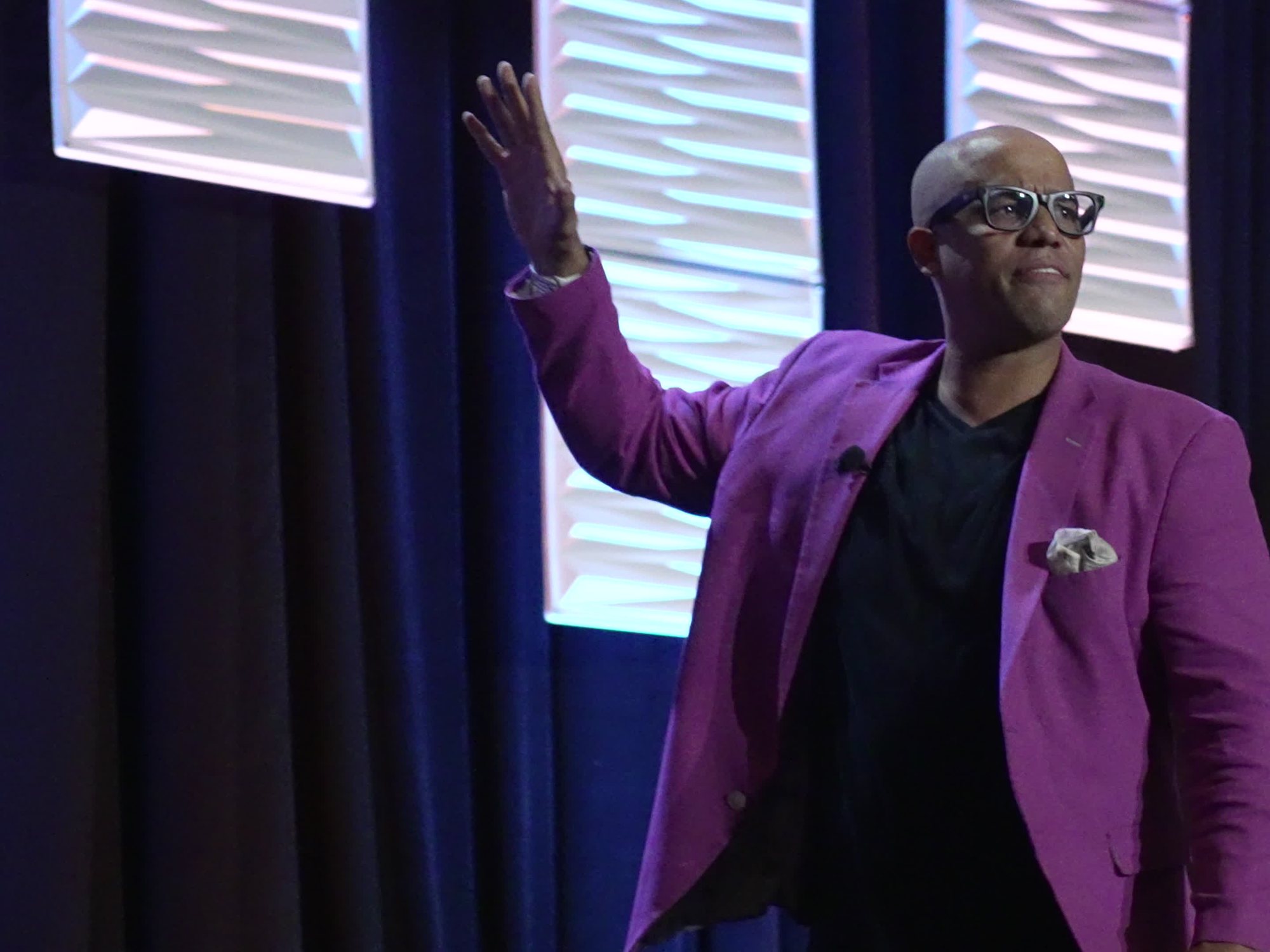
Jordache Johnson is an AI keynote speaker for transit conferences and state transit association events. He shows transit leaders and their teams where AI can carry back-office and booking work, so their people can focus on riders and operator safety. His talks also flag the rules that already apply, including Safety Committee review and ADA paratransit service.
Updated October 2026.
Where AI fits in transit work.
Four examples of where transit teams put AI to work. There are many more, and the talk is built around yours. What AI handles, and what stays with your people.
Board memos and grant applications
First drafts of grant applications and board memos.
The facts, the numbers, and what goes in front of the board.
Policies and meeting minutes
First drafts of policies and meeting minutes.
What the policy says, and what goes on the record. Public transit agencies are public bodies, and AI drafts about agency business can be public records.
Rider information and calls
Drafting rider alerts for every channel, translating them, and answering routine call-center questions.
The riders who need a person, and what the alert says. If AI translates your rider alerts, accuracy is on you.
Paratransit trip booking
The routine booking conversations, so staff have time for the complex calls.
The complex calls, and the service riders are owed. An AI booking agent has to hold the ADA lines. A path to a person is the safer design, and some riders will need it. If the agent records or transcribes the call, recording laws apply too.
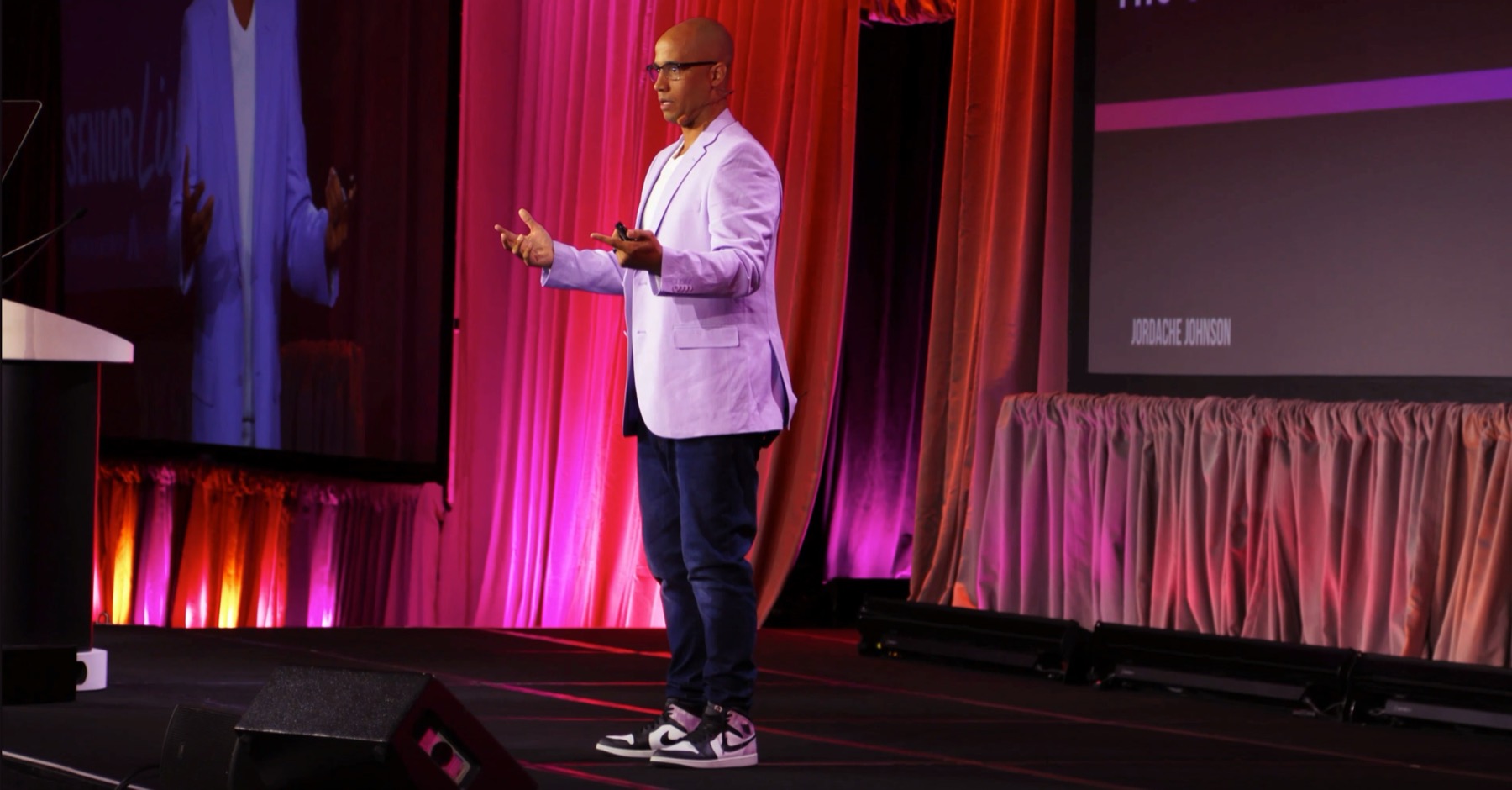
Four talks. Built for transit rooms.
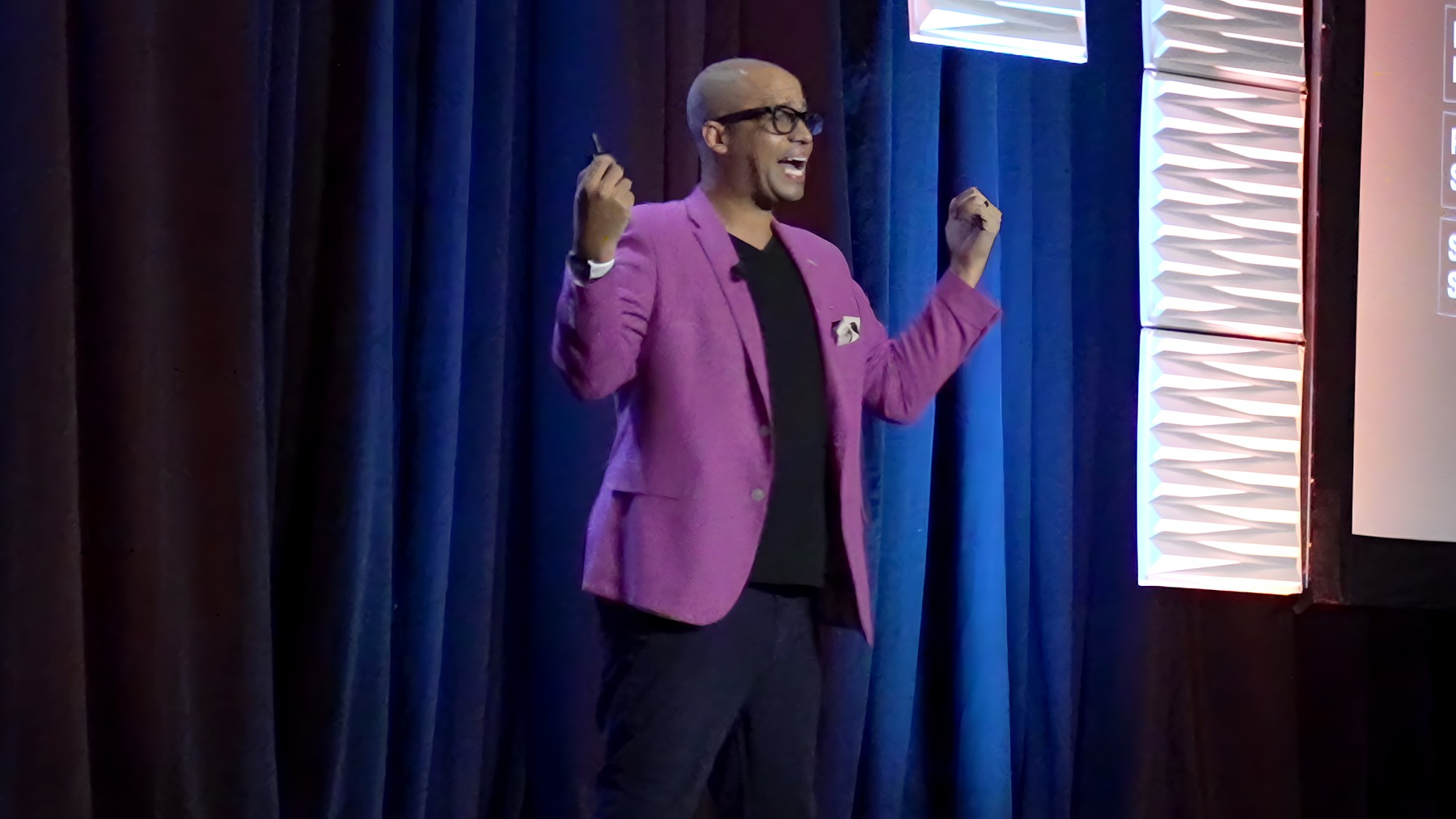
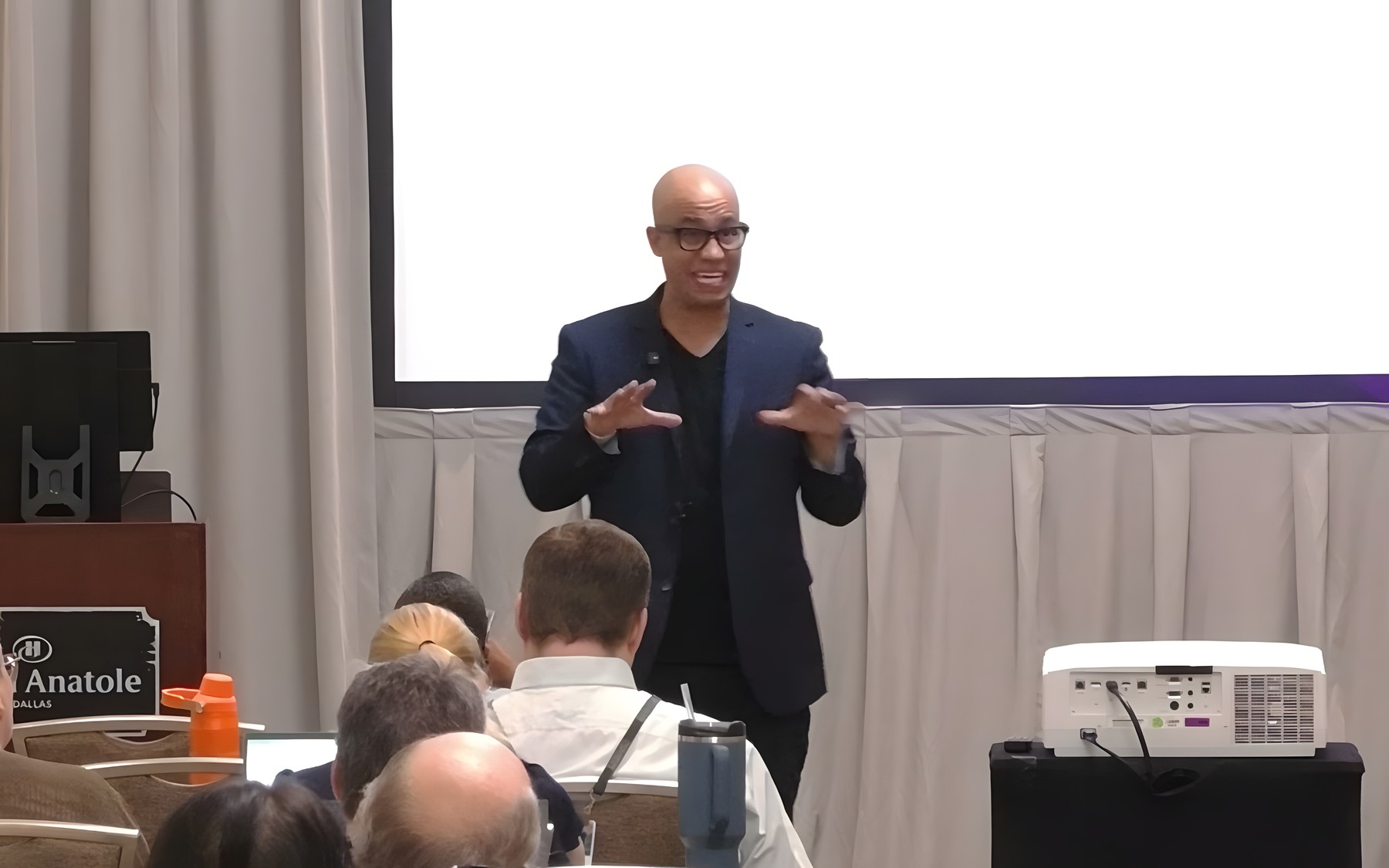

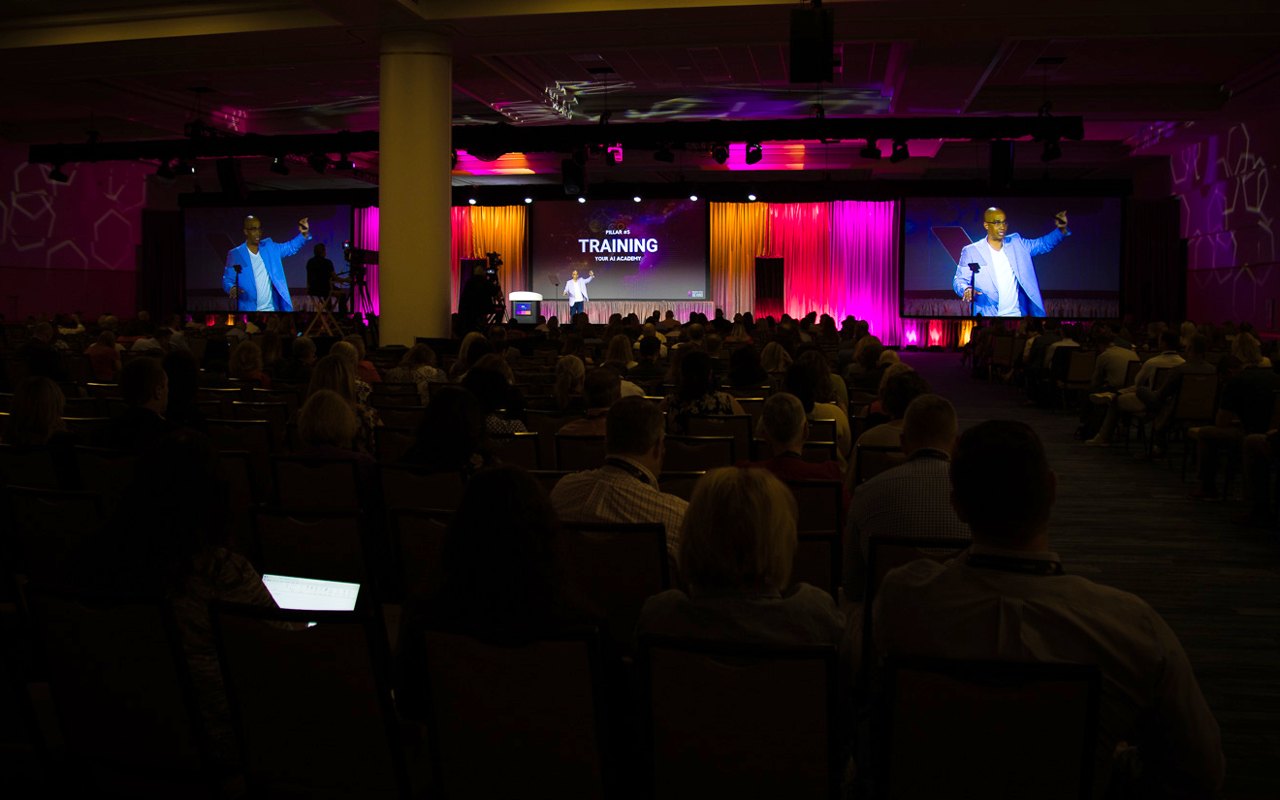
See Jordache in action
“Jordache, your presentation was energetic and highly informative. It gave me a new and positive view of AI and I look forward to using it more in the future!”
What transit agencies are facing.
Transit agencies are serving more riders with too few people, while operator safety and money stay at the top of the list.
- 84.6%
Too few operators
84.6 percent of agencies in APTA’s 2024 survey of 117 agencies reported worker shortages, with bus operators hardest to hire. Bus and urban transit workers’ median age is 50, eight years older than the average worker.
Source: APTA, November 2024; BLS data cited by APTA
- 238%
Operator safety
FTA says assaults on transit workers rose 238 percent from 2014 to 2024. When FTA ordered agencies to assess operator assault risk, about 670 reported, and more than two-thirds found they needed new mitigations.
Source: FTA, October 2025; FTA General Directive 24-1
- 8.1billion
More riders
Riders took 8.1 billion trips in 2025, the fifth straight year of growth, reaching 81 percent of pre-pandemic levels. Demand response led at 93 percent by December.
Source: APTA, April 2026
- $1.5billion
Money
Illinois closed Chicago’s transit fiscal cliff in December 2025 with a $1.5 billion plan. SEPTA is running on a two-year, $394 million capital transfer that ends after FY2027.
Source: Capitol News Illinois; SEPTA
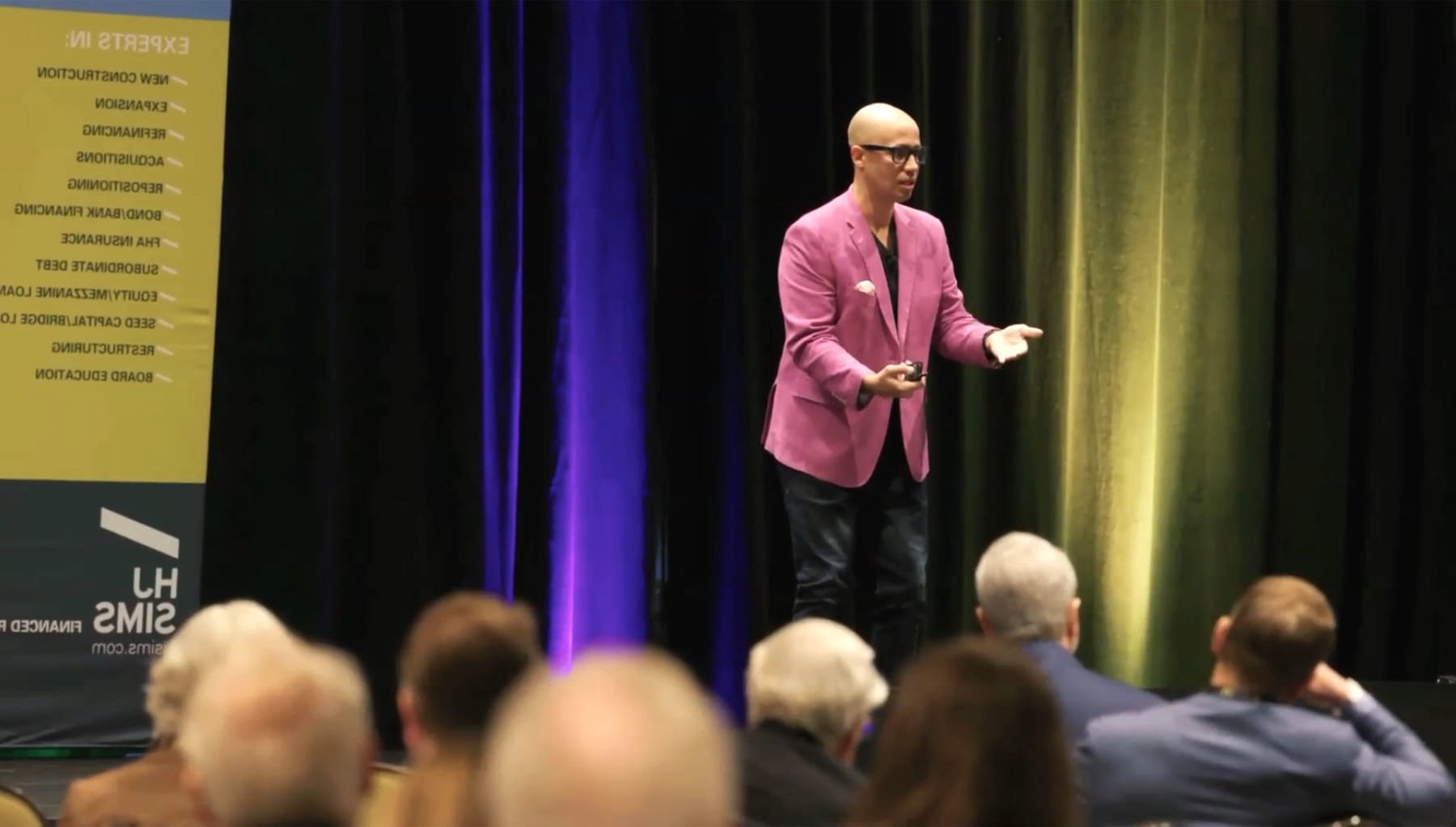
How Jordache sees it
Transit runs on people, so Jordache starts there: AI should give your frontline staff time and better information.
The holdup is usually the data, split across fare, schedule, finance and HR systems, says Sal Zahedi, a researcher on APTA’s AI Primer (via ASCE). So try AI on one problem your team already knows well, and measure whether it helped. Board memo drafts are one example. Keep a person checking the output, and keep a human path for riders who need one.
In APTA’s 2026 survey of 32 agencies, back office and operations top the list of current or planned AI uses, at 50 and 47 percent. In each area, five or fewer agencies were actually using AI (APTA AI Primer, May 2026; ASCE). A small sample, so read it as an early signal.
Transit agency leaders, their teams, and the people who run the daily work in operations, maintenance, safety and paratransit.
Your room
- CEOs and general managers
- Executive directors and deputies
- Board members
- Chief operating officers
- Superintendents
- Dispatch and scheduling managers
- Road supervisors
- Operators and mechanics
- Maintenance directors and shop leads
- Technicians
- Chief Safety Officers
- ADA, paratransit and mobility managers
- Eligibility staff
- Customer experience and call-center leads
- Communications teams
- Planning, finance, procurement and IT teams
- Data teams
- Union leaders and Safety Committee members
Board members are often local elected officials.
Your event
- State transit association conferences
- National transit association meetings
- Maintenance and dispatch forums
- Leadership academies
- Leadership retreats
- All-manager days
- Board retreats
- Board workshops
- Agency all-hands
- Operator appreciation events
Formats
The rules in your world.
The AI rules transit agencies already work within, in plain words. Jordache builds the talk with them in view. As of October 2026. General education from a non-lawyer, not legal advice or a substitute for the advice of an attorney. Confirm with your counsel.
We found no FTA rule specific to AI. Your existing safety, ADA, civil rights, procurement, security and records rules already apply.
Safety
- Agencies serving urbanized areas of 200,000 or more must run Safety Committees with equal numbers of frontline workers and managers. When that committee recommends fixes for operator assaults or vehicle and pedestrian safety, the agency has to put them in its safety plan and carry them out. AI that touches safety belongs on that agenda.
Riders and access
- Paratransit has to be comparable: within three-quarters of a mile of bus routes, next-day booking, pickup no more than an hour from the requested time, fare no more than twice the bus fare, same hours and days. An AI booking agent has to hold those lines. A path to a person is the safer design, and some riders will need it.
- Trip planners, apps and chatbots must meet WCAG 2.1 AA by April 2027, or April 2028 for special-district transit agencies.
- DOT dropped disparate-impact liability from its Title VI rules in June 2026. FTA’s Title VI circular hasn’t been reissued. Intentional discrimination is still banned, so if AI redesigns your routes, decide on purpose how you’ll check the impact on riders.
- Federal language-access guidance has been withdrawn and the replacement is overdue. If AI translates your rider alerts, accuracy is on you.
Buying AI with federal money
- FTA money that buys AI software or hardware brings federal procurement rules with it: Circular 4220.1G and the Master Agreement.
- Federal grant money can’t buy Hikvision, Dahua or Hytera cameras for public safety or critical infrastructure surveillance.
If your agency runs higher-risk rail or a transit police unit
- Higher-risk rail transit systems are under TSA’s cybersecurity directive, renewed in January 2026. The permanent TSA cyber rule has no final date.
- Criminal justice information can go only into environments that meet the CJIS Security Policy. Assume a general AI tool doesn’t meet it unless your CJIS Systems Officer confirms it does. The CJIS Security Policy is at version 6.1.
Recording and records
- Recording laws vary by state, and some require everyone in the conversation to agree. Treat an AI notetaker as recording.
- AI transcripts, summaries and prompts can come out in a lawsuit or a public records request. Once a lawsuit is reasonably foreseeable, the relevant ones have to be preserved.
“I was agnostic on AI. I’d played with ChatGPT and that was about the extent of it. You opened my eyes at the keynote, and I was blown away at your breakout session. Literally blown away. Two takeaways: AI is easier to use than I thought, and it will help you figure out what you want. It truly was an aha moment for me.”
Related industries
Questions planners ask.
Who is a good AI keynote speaker for a transit conference?
Jordache Johnson’s talks help transit agency leaders and their teams put AI to work on back-office and booking tasks while safety and rider decisions stay with people. He also flags the rules that already apply, including Safety Committee review and ADA paratransit service.
What are practical AI uses for a public transit agency?
Agencies are starting with back office and operations. Common back-office uses include first drafts of board memos, grant applications, policies and minutes. CapMetro uses an AI agent to book paratransit trips (APTA, May 2026). Other common uses are drafting and translating rider alerts, and help with routine call-center questions.
Will AI replace bus operators? What do we tell our union?
Jordache’s talks point AI at the work around the job, like paperwork and routine rider questions, so operators and mechanics get more support. The Transport Workers Union’s position is that human operators must be onboard all passenger vehicles “no matter their level of automation” (TWU). Agencies serving urbanized areas of 200,000 or more must run Safety Committees with equal numbers of frontline workers and managers, and AI that touches safety belongs on that agenda. So bring your frontline workers in early. As of October 2026. General education, not a substitute for the advice of an attorney; confirm with your counsel.
How do we use AI in paratransit booking without breaking ADA rules?
Paratransit has to be comparable: within three-quarters of a mile of bus routes, next-day booking, pickup no more than an hour from the requested time, fare no more than twice the bus fare, same hours and days. An AI booking agent has to hold those lines. A path to a person is the safer design, and some riders will need it. Trip planners, apps and chatbots must meet WCAG 2.1 AA by April 2027, or April 2028 for special-district transit agencies. As of October 2026. General education, not a substitute for the advice of an attorney; confirm with your counsel.
Do AI camera and video analytics tools go through our safety process, and which cameras can we buy?
At agencies serving urbanized areas of 200,000 or more, AI that touches safety belongs on the Safety Committee’s agenda. Federal grant money can’t buy Hikvision, Dahua or Hytera cameras for public safety or critical infrastructure surveillance. FTA money that buys AI software or hardware brings federal procurement rules with it: Circular 4220.1G and the Master Agreement. As of October 2026. General education, not a substitute for the advice of an attorney; confirm with your counsel.
Our data lives in five systems. Where do we start?
Try AI on one small problem and measure it. In transit, the holdup is usually the data, split across fare, schedule, finance and HR systems, says Sal Zahedi, a researcher on APTA’s AI Primer (via ASCE). A small test, like board memo drafts a person checks, shows you which data you need.
Can the talk be customized, delivered virtually, or run as a series?
Yes. Jordache builds every talk around your audience’s roles and examples. It can run as a keynote, a hands-on workshop, or both, in person or as a virtual session, or as a series before and after your conference.
What does it cost to book Jordache?
It depends on the format, the length and travel. Book a call and we’ll talk through your event.
Book Jordache for your transit conference, association meeting, agency leadership day or all-hands.
For general managers and executive directors who want to use AI in their own work first: Executive AI Advisory