
AI keynote speaker fortelecommunications conferences
Practical AI for telecom leaders and the people who keep the network running and the customer connected.
The short answer
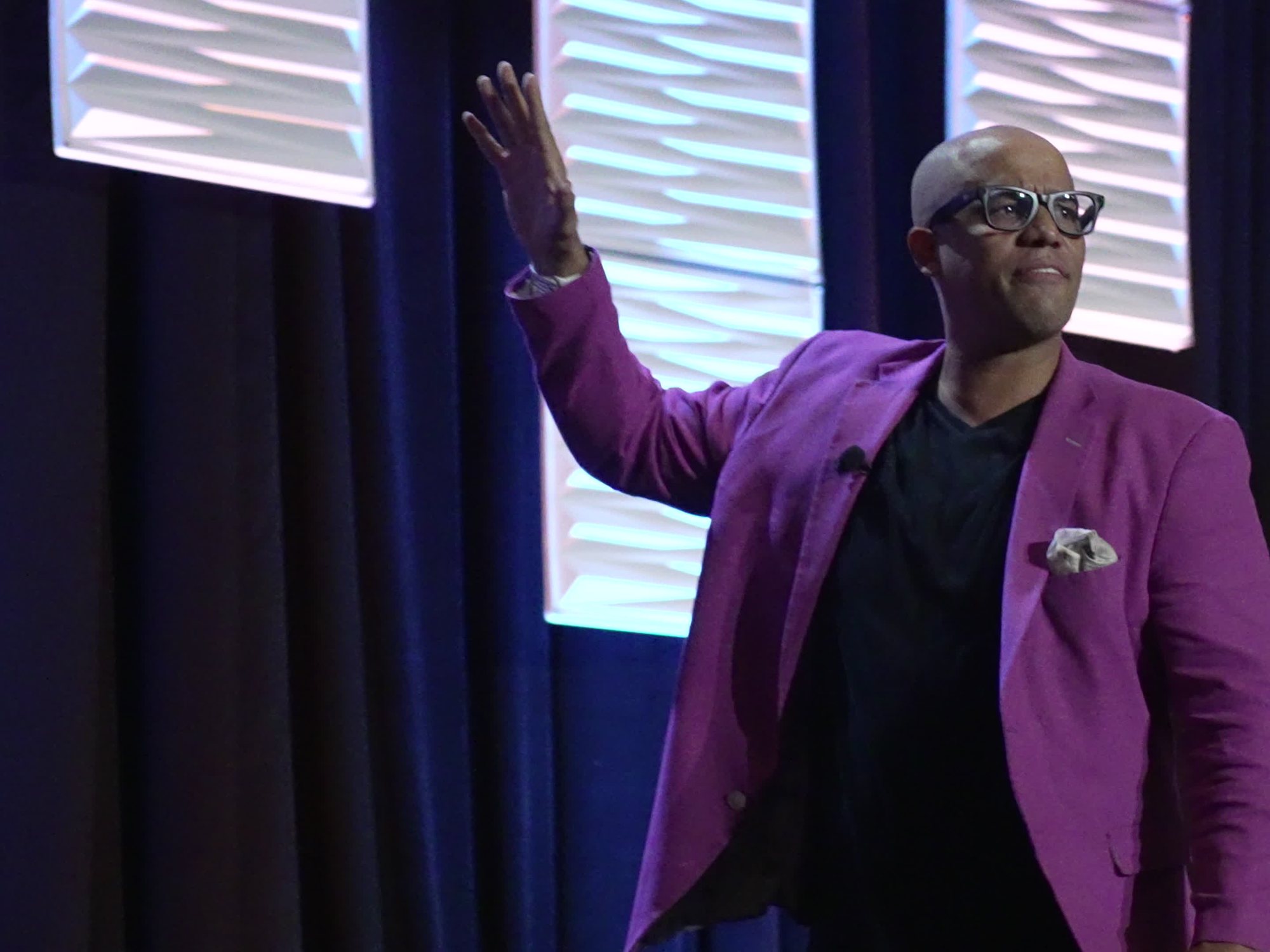
Jordache Johnson is an AI keynote speaker for telecommunications conferences, for carriers of every size, including rural telcos and cooperatives. He helps telecom leaders and their network, field and customer care teams put AI on repeatable work while people keep the judgment calls customers feel. His talks also flag the rules, including CPNI and consent for AI voice calls.
Updated October 2026.
Where AI fits in telecom work.
Four examples of where telecom teams put AI to work. There are many more, and the talk is built around yours. What AI handles, and what stays with your people.
Back office at rural providers
Marketing copy, member newsletters, policy drafts, billing explanations and grant paperwork.
The company’s voice. For a rural telco, the customer is also a neighbor. NTCA’s AI guidelines for rural providers recommend that employees never put customer names, addresses or account details into AI tools.
Customer care reps
Answers for the rep during the call, and the call notes after it.
The problem AI couldn’t solve. Call records and location are CPNI, and carriers must protect them. That doesn’t change because the tool is AI. Recording laws vary by state, and some require everyone on the call to agree.
Chat and voice agents
Routine customer questions, by chat or voice.
The problem AI couldn’t solve, and a clear path to a person. The FCC has proposed rules that would let customers ask for a US-based representative, and a bill in Congress would add a right to reach a human when you’re talking to AI. If the agent records or transcribes the call, recording laws apply too.
Field knowledge
First drafts that write down what the veterans know, and a knowledge assistant that helps the next tech find it.
The call on the job. Every retirement takes network knowledge out the door.
Four talks. Built for telecom rooms.
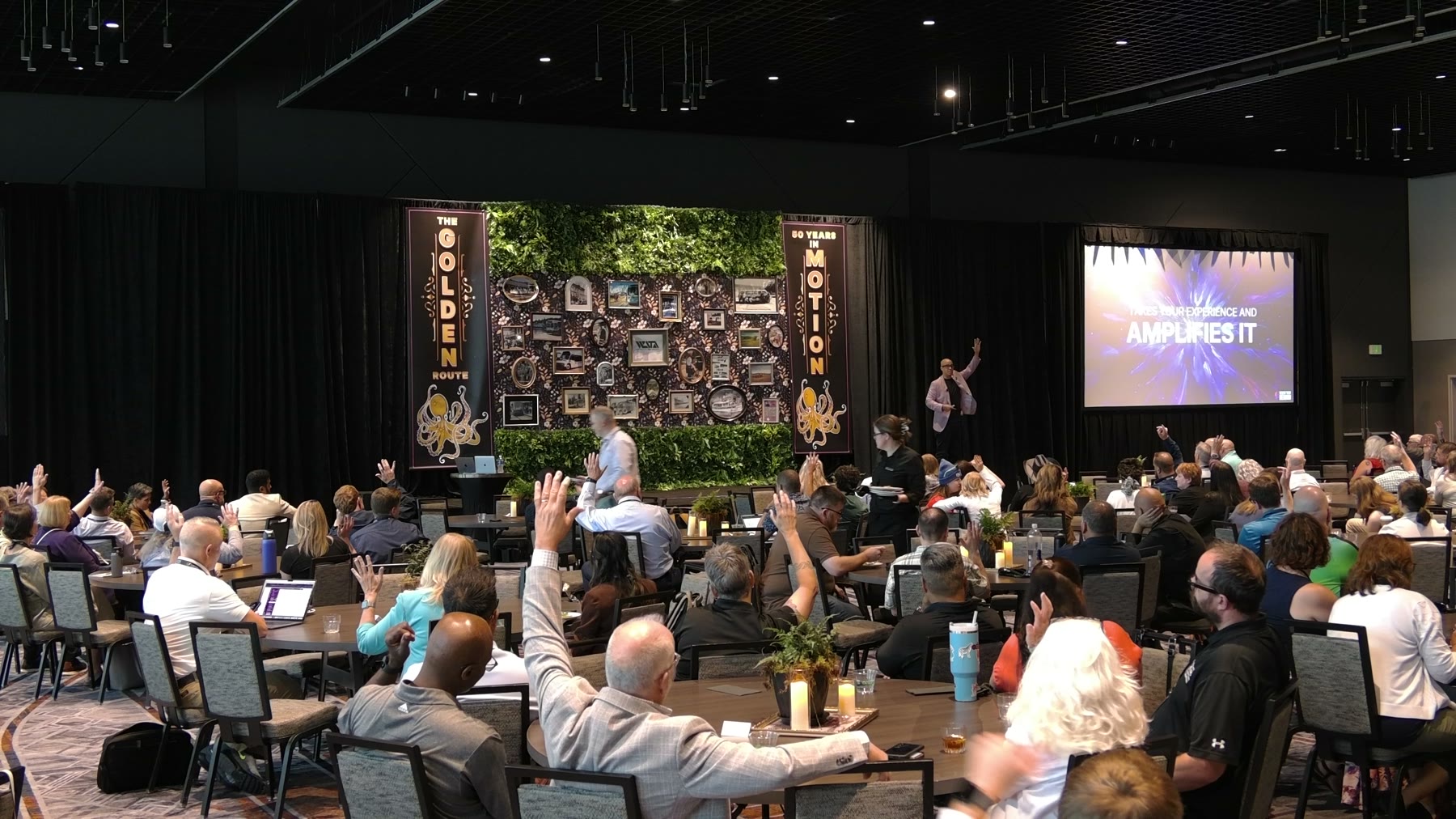
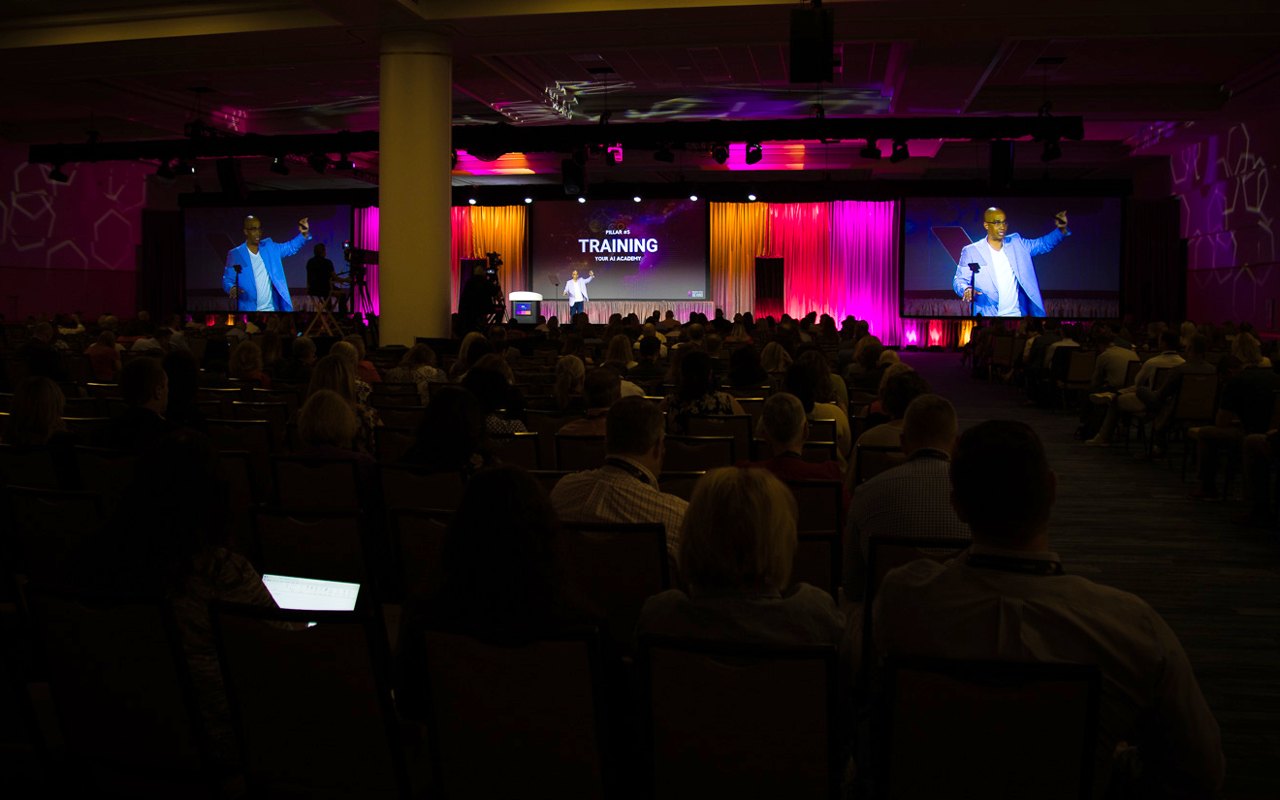
See Jordache in action
“Jordache, your presentation was energetic and highly informative. It gave me a new and positive view of AI and I look forward to using it more in the future!”
What telecom teams are facing.
Telecom teams are stretching flat revenue across growing networks, with fewer veterans to run them. Industry analysts describe telecom revenue per user as flat to down (Deloitte and PwC, February 2026), which is why operators see AI first as a cost and service lever.
- 1in 10
An aging field workforce
Only about one in ten fiber technicians is 20 to 30, and almost 70% are 40 or older, according to Zippia data cited in the Fiber Broadband Association’s 2025 workforce paper. The Fiber Broadband Association’s 2024 study put the need at nearly 180,000 workers: about 58,000 to build the networks already funded, plus about 119,000 over ten years to replace retirements and attrition.
Source: Fiber Broadband Association, 2025 workforce paper and 2024 study
- 187,000
Data center demand
The Fiber Broadband Association estimates data center growth will require fiber route miles to nearly double, from 95,000 to 187,000, by 2029. Verizon says it has about $4 billion in signed AI connectivity contracts, starting to pay in 2027.
Source: Fiber Broadband Association; Verizon, Q3 2026 earnings call
- 3in 4
Security and fraud
According to the industry’s fraud association, three in four telecom fraud teams now use machine learning or AI, and most rate their own AI skills as beginner or intermediate. The FCC’s own November 2025 order calls Salt Typhoon a sophisticated nation-state hack, with some vulnerabilities still being exploited.
Source: Communications Fraud Control Association 2025 survey, as summarized by TNS; FCC, November 2025
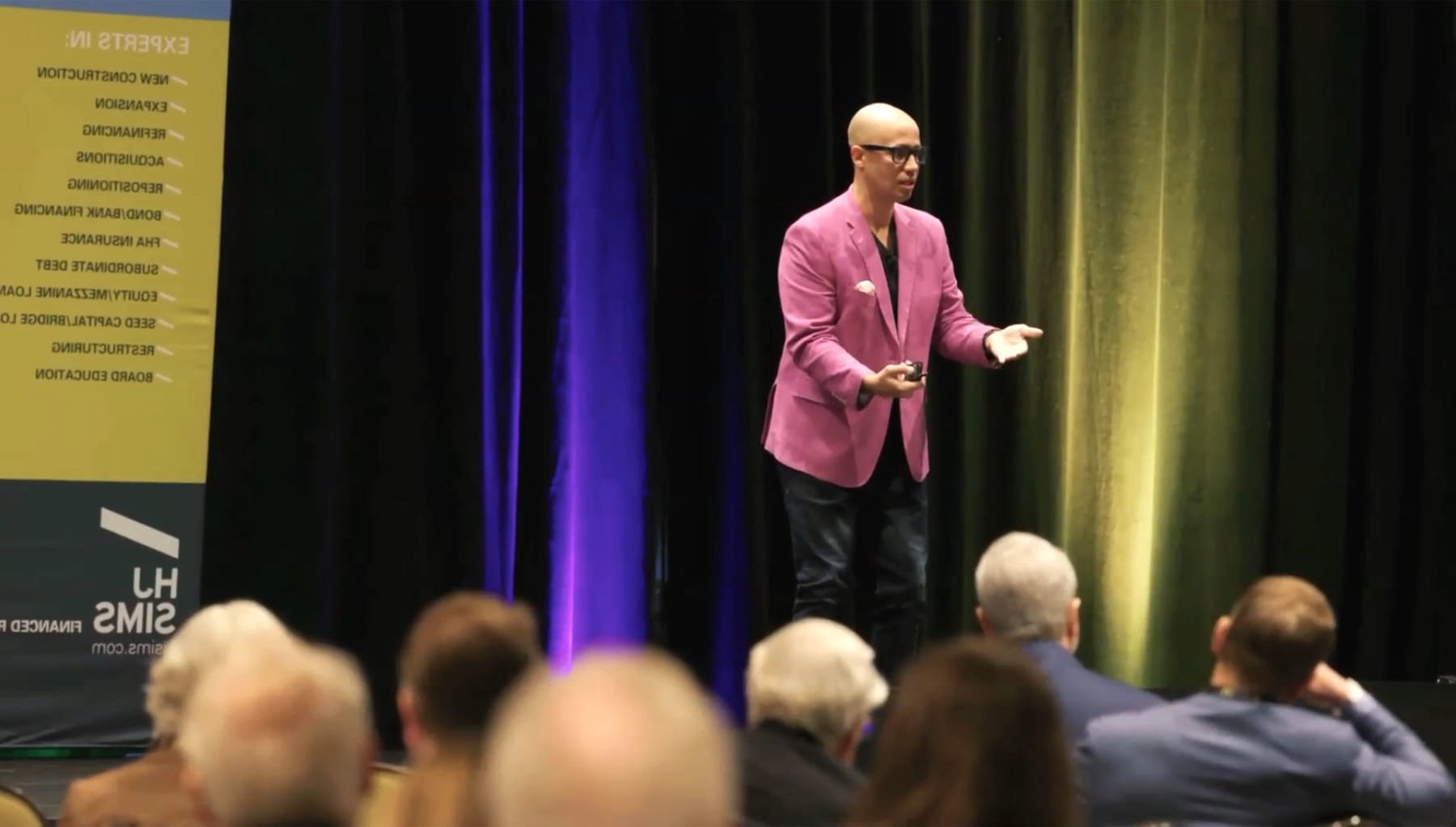
How Jordache sees it
In telecom, AI is worth it when the customer feels the service get better.
Telecom sells connection and service, and the money is tight. So AI usually shows up first as a cost and service tool. In J.D. Power’s 2026 wireless study, almost half of phone support calls involved an AI assistant. Satisfaction dropped when AI was involved, and jumped when AI actually solved the problem (J.D. Power 2026 U.S. Wireless study, Volume 2, July 2026). That sets the real test: did the AI solve the customer’s problem?
Telecom leaders and their network, field and customer care teams, at national carriers and community providers.
Your room
- CEOs, presidents and general managers
- COOs, CTOs and network chiefs
- VPs of network and field operations
- Chief customer officers and care leaders
- CFOs and regulatory affairs leaders
- CHROs and workforce development leaders
- Network engineers and NOC staff
- Outside plant engineers
- Field technicians and splicers
- Installers, construction crews and their supervisors
- Customer care and retail staff
- Sales reps
- Rural telco staff who wear several hats
- Cooperative and family-company boards
A large carrier and a rural telco face different AI questions. Jordache builds different examples for each.
Your event
- National and state telecom association meetings
- Broadband, wireless and fiber industry events
- Executive forums
- Marketing and sales conferences
- Carrier leadership meetings
- Vendor customer conferences
- Board retreats
Formats
The rules in your world.
The AI rules telecom already works within, in plain words. Jordache builds the talk with them in view. As of October 2026. General education from a non-lawyer, not legal advice or a substitute for the advice of an attorney. Confirm with your counsel.
Customer data
- Call records, numbers dialed, and location are customer proprietary network information. Carriers need approval to use them for marketing and must protect them. That doesn’t change because the tool is AI.
- NTCA’s AI guidelines for rural providers recommend that employees never put customer names, addresses or account details into AI tools. It’s guidance from NTCA, with a sample policy.
AI voice calls and opt-outs
- Since 2024, the FCC has treated AI-generated voices in robocalls as artificial voices under the TCPA, so those calls need consent.
- The FCC rewrote its consent-revocation rules in September 2026. From November 25, 2026, an opt-out from one kind of informational call can be limited to that kind. A telemarketing opt-out still stops all of that caller’s telemarketing. A caller can also limit opt-outs to one or more of three FCC-listed methods, if it says so clearly on each call or text. Otherwise any reasonable opt-out must be honored (FCC 26-67).
- AI-call disclosure is still a proposal. No final FCC rule requires AI-call disclosure as of October 2026.
Reaching a person
- The FCC has proposed rules that would let customers ask for a US-based representative, and a bill in Congress would add a right to reach a human when you’re talking to AI.
Network security
- Any AI experiment that touches network systems is a security decision. Salt Typhoon is the reminder (FCC, November 2025).
Recording and records
- Recording laws vary by state, and some require everyone in the conversation to agree. Treat an AI notetaker as recording.
- AI transcripts, summaries and prompts can come out in a lawsuit. Once a lawsuit is reasonably foreseeable, the relevant ones have to be preserved.
Related industries
Questions planners ask.
Who is a good AI keynote speaker for a telecommunications conference?
Jordache Johnson’s talks help telecom leaders and their teams put AI on repeatable work in customer care, the field and the back office, with people keeping the judgment calls. He builds different examples for large carriers and rural telcos, and flags the rules to take to your counsel, including CPNI and consent for AI voice calls.
What are practical AI uses for telecom companies?
Common examples are agent assist for customer care reps (answers and call notes), chat and voice agents for routine questions, and help writing down what veteran technicians know. Rural telcos often use AI in the back office: marketing copy, member newsletters, billing explanations and grant paperwork.
Can carriers use AI voice agents for customer calls?
Since 2024, the FCC has treated AI-generated voices in robocalls as artificial voices under the TCPA, so those calls need consent. The FCC rewrote its consent-revocation rules in September 2026. From November 25, 2026, an opt-out from one kind of informational call can be limited to that kind. A telemarketing opt-out still stops all of that caller’s telemarketing. A caller can also limit opt-outs to one or more of three FCC-listed methods, if it says so clearly on each call or text. Otherwise any reasonable opt-out must be honored (FCC 26-67). AI-call disclosure is still a proposal. No final FCC rule requires AI-call disclosure as of October 2026. As of October 2026. General education, not a substitute for the advice of an attorney; confirm with your counsel.
Can our team put customer data into AI tools?
Call records, numbers dialed, and location are customer proprietary network information. Carriers need approval to use them for marketing and must protect them. That doesn’t change because the tool is AI. NTCA’s AI guidelines for rural providers recommend that employees never put customer names, addresses or account details into AI tools. As of October 2026. General education, not a substitute for the advice of an attorney; confirm with your counsel.
Do AI assistants help or hurt customer satisfaction in telecom support?
In J.D. Power’s 2026 wireless study, almost half of phone support calls involved an AI assistant. Satisfaction dropped when AI was involved, and jumped when AI actually solved the problem. That’s why the talk builds AI care around solving the problem, with a clear path to a person.
Is the talk a fit for a rural telco or cooperative audience?
Yes. Jordache builds examples for rural providers, where the customer is also a neighbor, and flags NTCA’s AI guidelines for rural providers.
Can the talk be customized or paired with a workshop?
Yes. Jordache builds every talk around your audience’s roles and examples. It can run as a keynote, a hands-on workshop, or both, or as a keynote with follow-through sessions for attendees afterward.
What does it cost to book Jordache?
It depends on the format, the length and travel. Book a call and we’ll talk through your event.
Book Jordache for your telecom association meeting, state convention or leadership meeting.
For carrier executives and rural telco general managers who want to use AI in their own work first: Executive AI Advisory