
AI keynote speaker fortechnology conferences
Practical AI for tech leaders and the people who build the tools, who’ll test every claim against their own work.

The short answer
Jordache Johnson is an AI keynote speaker for technology conferences and software company events. He helps tech leaders and their engineering and product teams decide when to trust AI output, using measured evidence that includes the findings against the hype. The engineer still owns what ships. His talks also flag the rules on AI product claims and EU chatbot disclosure.
Updated October 2026.
Where AI fits in software and IT work.
Five examples of where software and IT teams put AI to work. There are many more, and the talk is built around yours. What AI handles, and what stays with your people.
Tests and documentation
First drafts of tests and documentation.
What “correct” means for this code, and the call on what merges.
Pull request summaries and review
Pull request summaries and a first review pass.
The approval, and the accountability when it breaks.
Code generation and coding agents
Code completion and generation in the editor, and agents that take a task across several files and open a pull request.
What to build, what to trust and what to ship.
Incident and log summaries
A plain-language summary of the incident and the logs behind it, for SRE and operations teams.
The diagnosis, the fix, and the call on when it’s safe.
Support answers and agent-assist
Answering common questions and drafting replies for your support agents.
The customer, and the cases that need a person. If your support chatbot serves EU users, the EU’s chatbot disclosure rules started August 2, 2026.
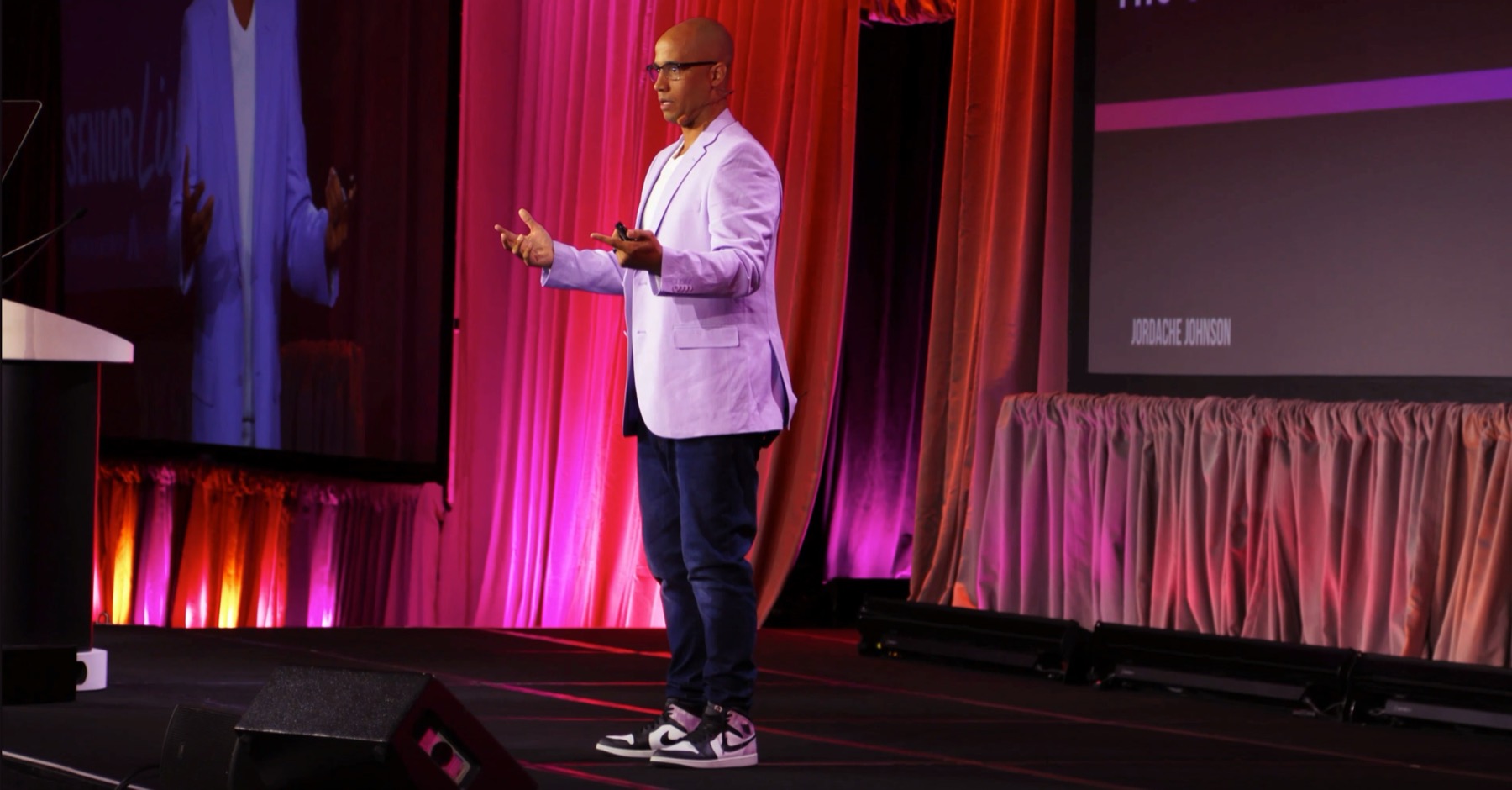
Four talks. Built for technology rooms.
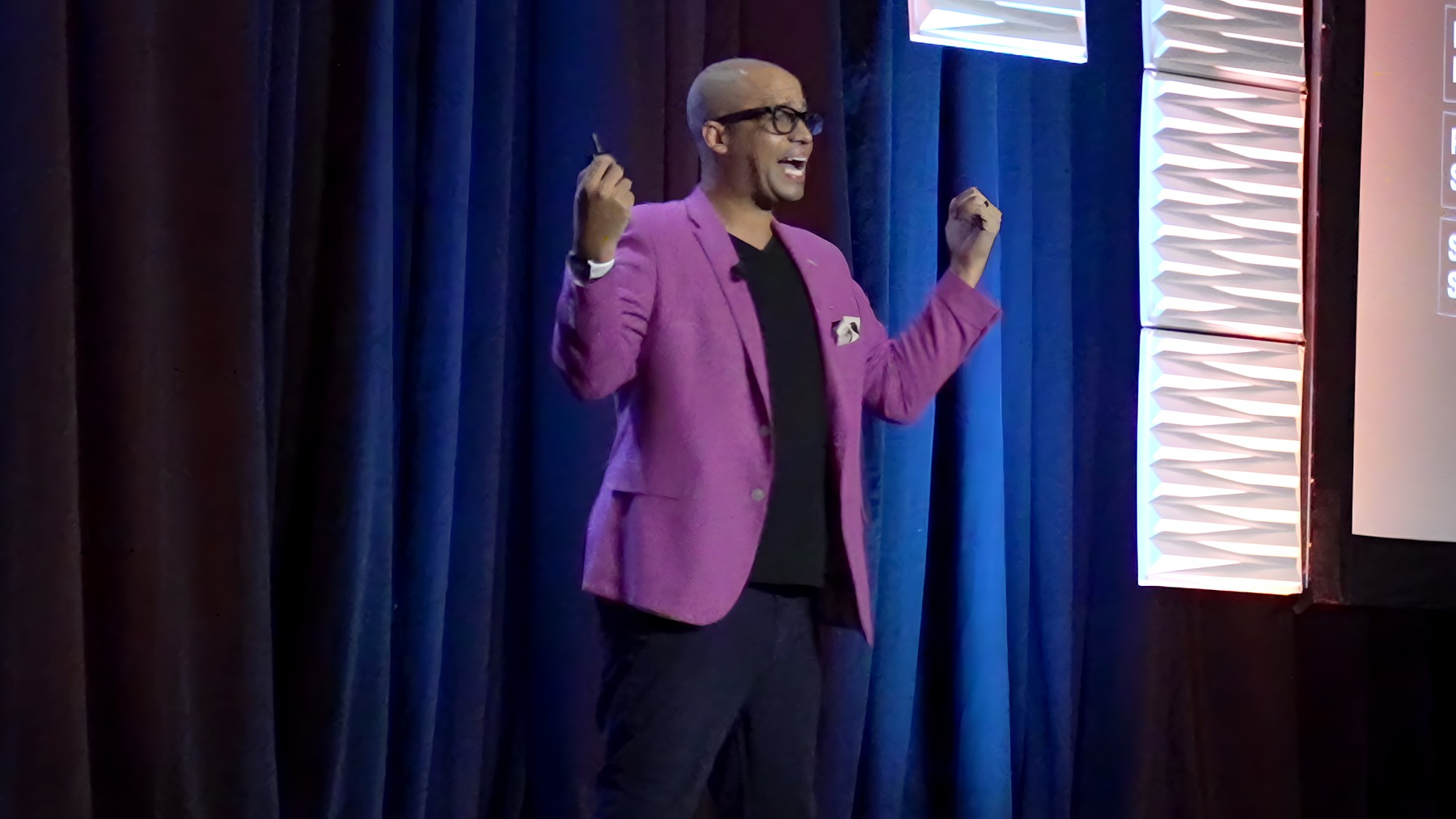
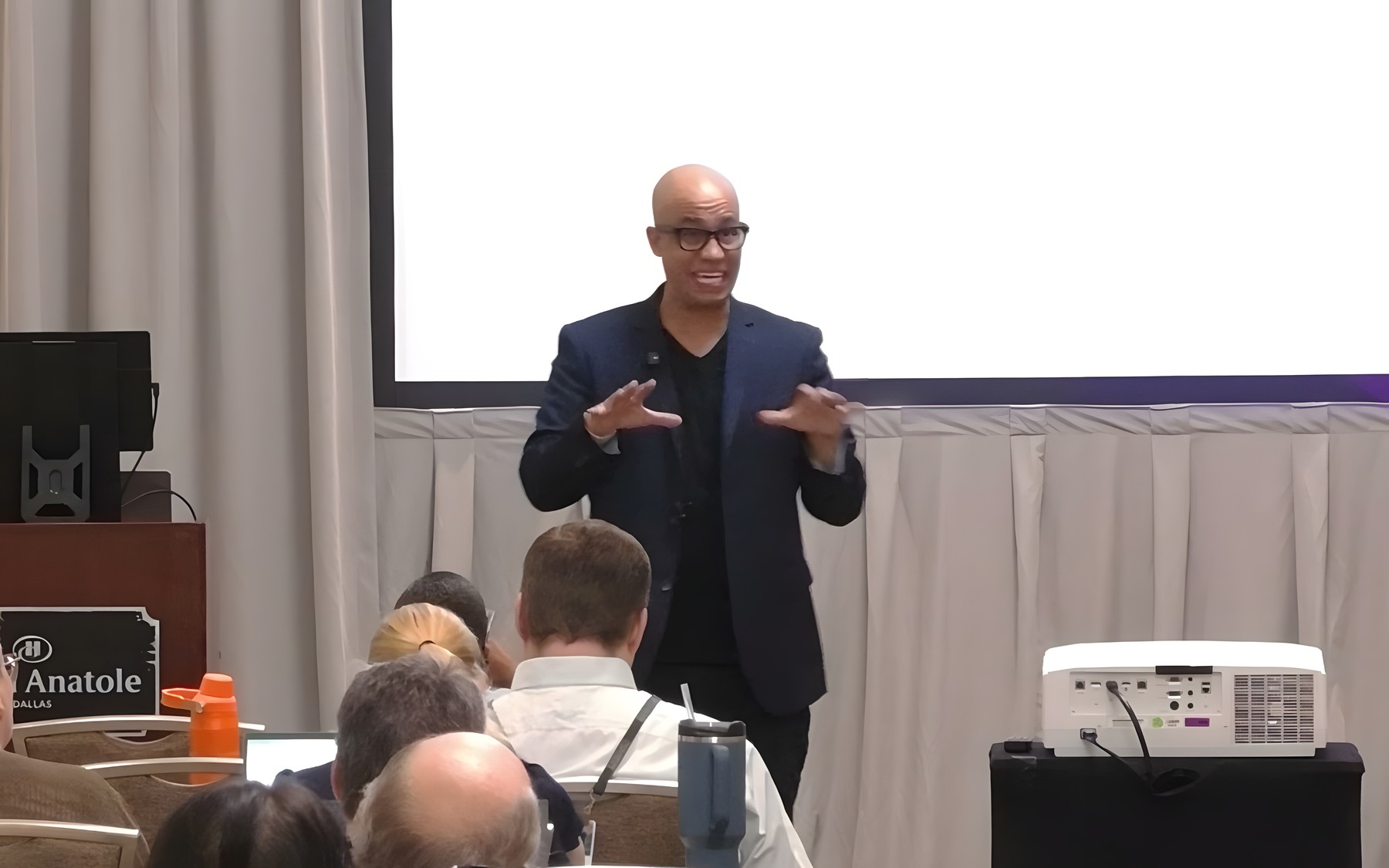

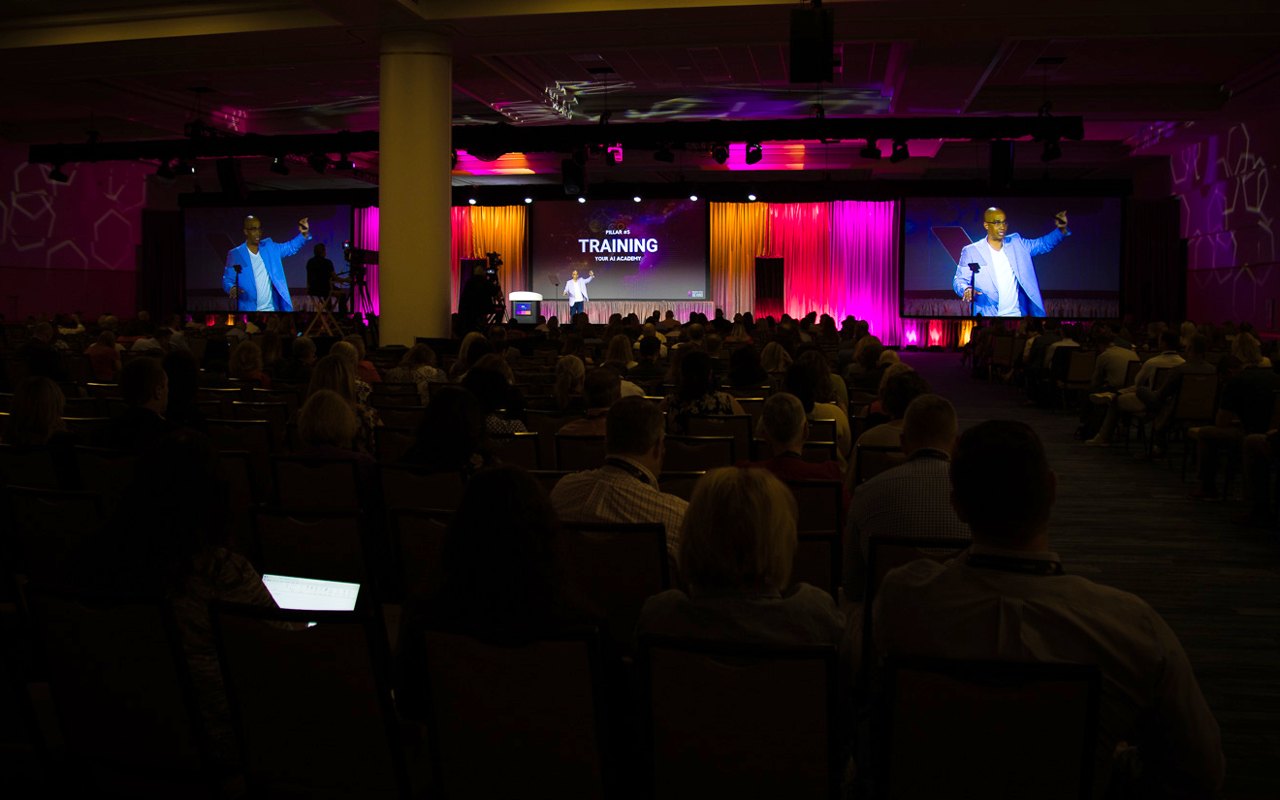
See Jordache in action
“You opened my eyes at the keynote. I was blown away at your breakout session. Literally blown away.”
What tech teams are facing.
Tech teams are under pressure to ship faster with AI while hiring and pricing shift under them.
- 48%
Trust what they can verify
In Stack Overflow’s 2026 survey of more than 30,000 developers, 48% trust AI output when they can easily verify it, and only 7% trust it with important work decisions. Coding assistants and agents are now the top AI use, at 66%.
Source: Stack Overflow Developer Survey, 2026
- 44%
Known flaws in AI code
Google’s DORA research found AI adoption is tied to faster delivery and also to less stable delivery. AI amplifies what’s already there. Veracode tested current AI models on 80 security-sensitive coding tasks with no security guidance: about 44% of tasks introduced a known security flaw in 2026, basically unchanged from the year before.
Source: Google DORA, 2025; Veracode, July 2026 (vendor research)
- 19%
The entry-level pipeline
Stanford researchers using payroll data found employment of 22- to 25-year-olds in the most AI-exposed jobs is about 19% below where it would have been if it had kept pace with less-exposed peers, mostly because companies hired fewer of them. They found no sign of economy-wide job loss, and they call it an early warning that doesn’t prove cause. LSE economists looking at 243 million hires in four countries found remote work explains more of the drop in junior hiring than AI does.
Source: Stanford Digital Economy Lab, August 2026; LSE Centre for Economic Performance, 2026
- $234billion
The business model
Gartner estimates up to $234 billion in enterprise application software spending is exposed to AI agents between now and 2030.
Source: Gartner, July 2026
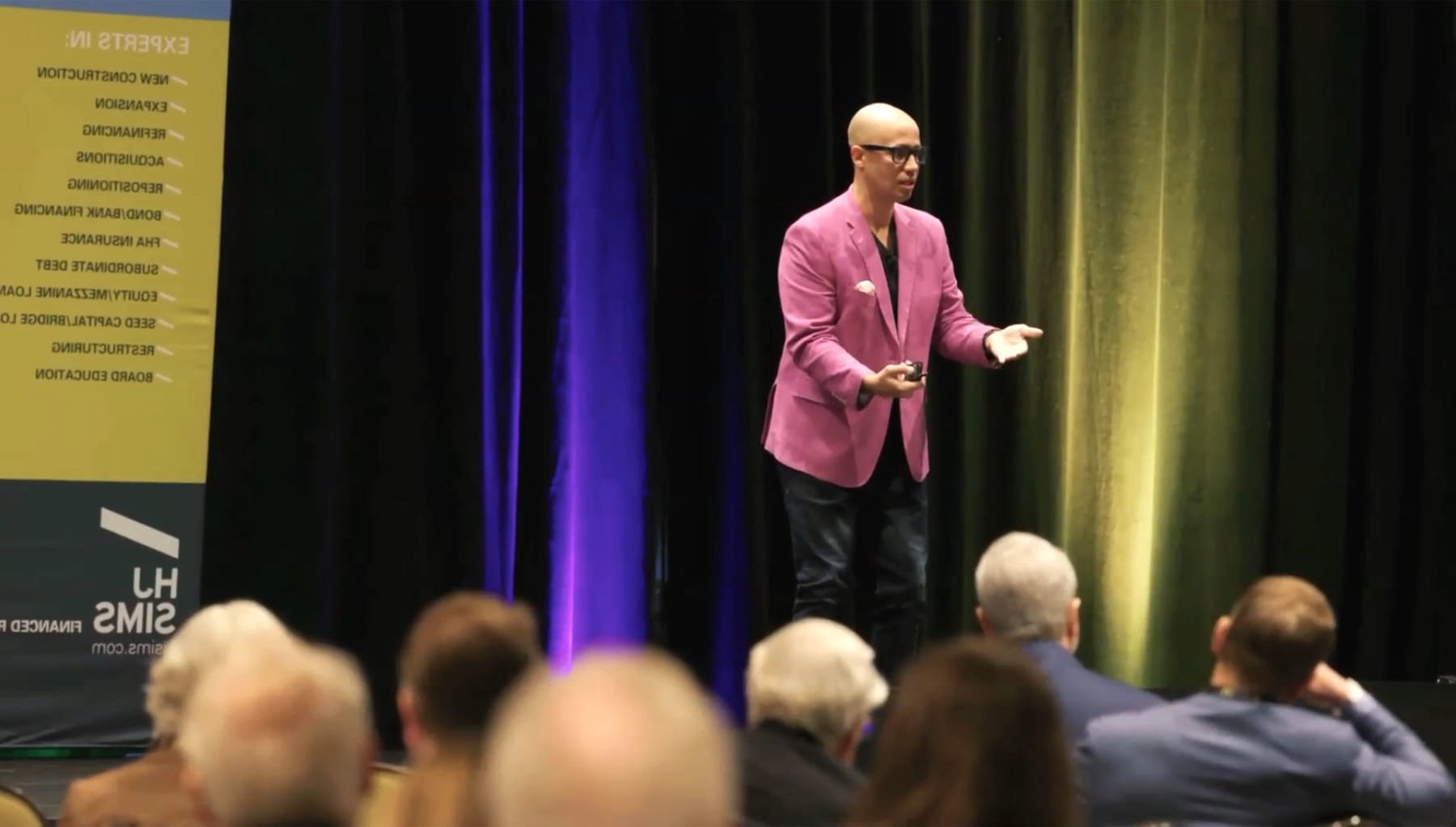
How Jordache sees it
In a room that builds the tools, the live question is when to trust AI, and the answer comes from measured evidence, including the evidence that cuts against the hype.
He runs his own business on an AI operating system he architected, at Rungs 3–5 of The AI Usage Ladder™, including agents that audit the work of other agents. So he brings his own decisions to the stage: what he hands to agents, and where he keeps a human review.
In a 2025 randomized trial, experienced open-source developers took 19% longer with AI tools, while believing AI had sped them up by 20%. The researchers now say tools have likely improved, and they can’t yet measure by how much (METR, July 2025 study and February 2026 update). The lesson that holds either way is the gap between how fast it felt and what was measured. Any experiment your team runs needs a measure you set before you start.
Software and IT services leaders, and the teams who do the work.
Your room
- CEOs and founders
- CTOs and CIOs
- VPs of engineering
- Engineering managers
- Software engineers
- Staff and principal engineers
- SREs and platform engineers
- Product managers
- Designers
- Data and security staff
- Solutions engineers
- Account executives
- Customer success leaders
- Customer success managers
- MSP owners
- IT technicians
Your event
- Tech association conferences
- SaaS community events
- User conferences and partner summits
- Sales kickoffs
- Engineering offsites
- Company all-hands
- Leadership retreats
Formats
The rules in your world.
The AI rules a software company already works within, in plain words. Jordache builds the talk with them in view. As of October 2026. General education from a non-lawyer, not legal advice or a substitute for the advice of an attorney. Confirm with your counsel.
What you say about your AI
- The FTC still goes after companies that overstate what their AI can do.
- The FTC set aside its 2024 Rytr order on December 22, 2025. In July 2026 it proposed a policy statement saying AI companies that steer outputs away from accuracy, even to comply with a state law, may be deceiving consumers. Comments closed July 31, 2026. It is not final as of late October 2026.
Federal and state
- No federal law expressly preempts state AI laws as of October 2026. An executive order can’t do that on its own.
- California’s SB 53 covers large frontier developers: companies that trained a frontier model and, with affiliates, had over $500 million in prior-year revenue. It took effect January 1, 2026. Most tech companies aren’t covered by SB 53. Colorado’s law puts documentation duties on developers of covered tools from January 1, 2027. The attorney general’s enforcement is on hold under an April 2026 federal court order until after final rules and a court ruling. Still moving.
- If you use HR tools on your own staff, or sell them to employers who do: since January 1, 2026, Illinois law makes it a civil rights violation for an employer to fail to notify an employee that it uses AI in listed employment decisions.
If you serve users in the EU
- The EU pushed most high-risk AI deadlines to December 2027, while its chatbot disclosure and AI-content labeling rules started August 2, 2026. Systems already on the market before August 2, 2026 have until December 2, 2026 for the machine-readable marking duty.
Recording and records
- Recording laws vary by state, and some require everyone in the conversation to agree. Treat an AI notetaker as recording.
- AI transcripts, summaries and prompts can come out in a lawsuit. Once a lawsuit is reasonably foreseeable, the relevant ones have to be preserved.
Related industries
Questions planners ask.
Who is a good AI keynote speaker for a technology conference or a technical audience?
Jordache Johnson’s talks help software and IT services teams decide when to trust AI output, using measured evidence that includes the findings against the hype. He runs his own business on an AI operating system he architected, at Rungs 3–5 of The AI Usage Ladder™, including agents that audit the work of other agents. His talks also flag the rules on AI product claims and EU chatbot disclosure.
Are AI coding tools actually making engineers faster?
The evidence is mixed, so measure it yourself. In a 2025 randomized trial, experienced open-source developers took 19% longer with AI tools, while believing AI had sped them up by 20%. The researchers now say tools have likely improved, and they can’t yet measure by how much. Google’s DORA research found AI adoption is tied to faster delivery and also to less stable delivery. AI amplifies what’s already there.
What are practical AI uses for software and tech teams?
Common examples are writing tests and documentation, summarizing pull requests for review, summarizing incidents and logs, and drafting support answers for a person to check. Whatever AI drafts, a named person reviews it before it ships or reaches a customer.
Can the talk be customized, delivered virtually, or run as a series?
Yes. Jordache builds every talk around your audience’s roles and examples. It can run in person or virtually as a keynote, a hands-on workshop, or both, or as a series of sessions around your event.
What does it cost to book Jordache?
It depends on the format, the length and travel. Book a call and we’ll talk through your event.
Book Jordache for your technology conference, company all-hands or engineering offsite.
For CEOs and technology leaders who want to use AI in their own work first: Executive AI Advisory