
AI keynote speaker foraccounting and consulting firm conferences
Practical AI for firm leaders and the people doing the client work, now that AI cuts the hours it takes to deliver expertise.
The short answer
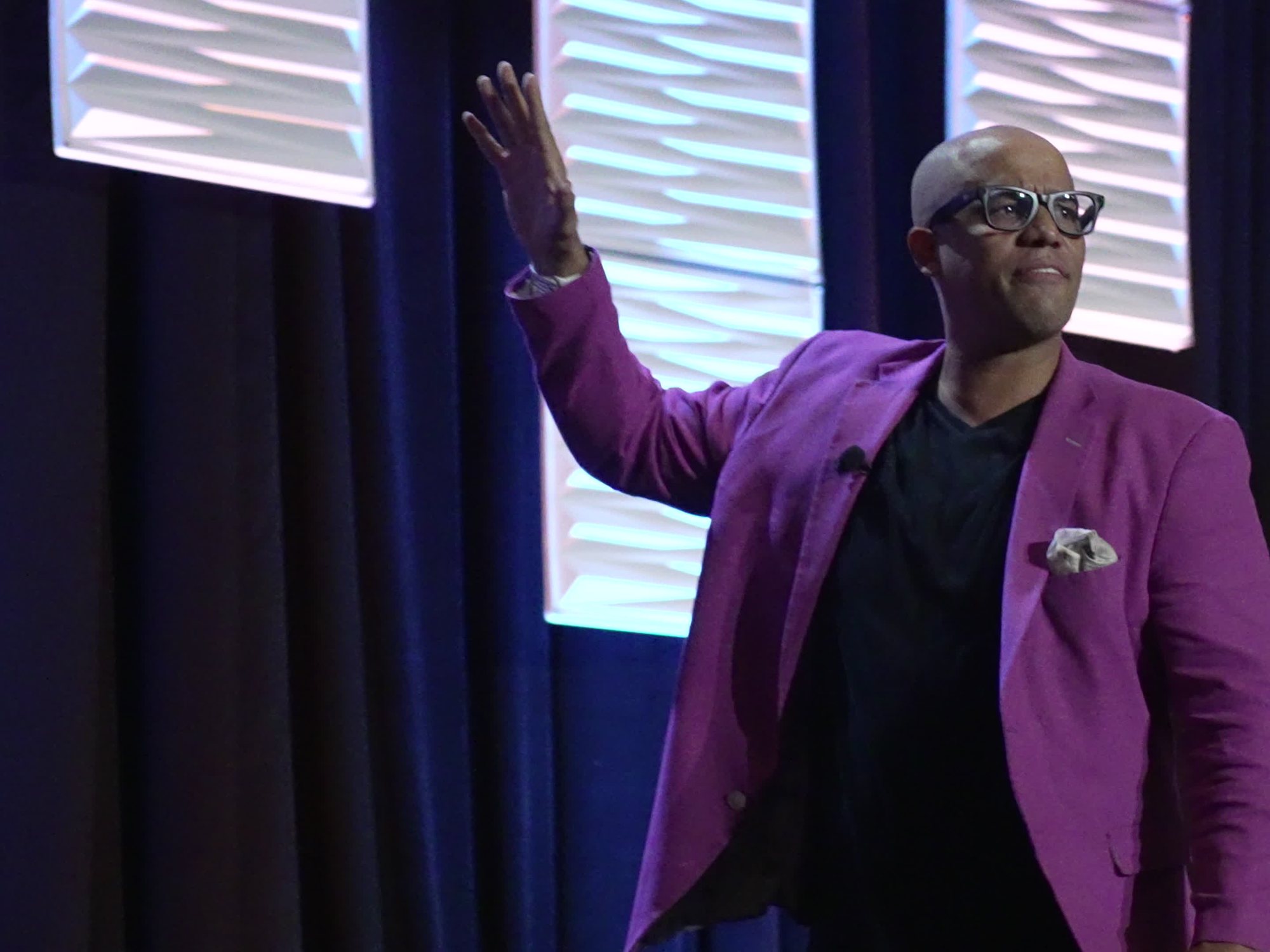
Jordache Johnson is an AI keynote speaker for accounting and consulting firm conferences, and for engineering and architecture firms. He helps partners, managers and staff hand AI the routine hours while professional judgment, and the signature behind it, stays with people. Your audience leaves with one use to try and the client-data rules in view.
Updated October 2026.
Where AI fits in professional services work.
Six examples of where accounting, consulting, engineering and architecture teams put AI to work. There are many more, and the talk is built around yours. What AI handles, and what stays with your people.
Document intake and data extraction
Pulling the data from tax organizers, invoices and bank statements.
The numbers that don’t tie, and the questions back to the client. In tax work, the IRS tells practitioners to use only secure, enterprise-approved AI with client data, and to vet and document the tools they use.
Tax research and memos
Tax research and a first draft of the memo.
The advice, and the signature behind it.
Accounting and audit guidance research
Researching the firm’s accounting and auditing guidance, and summarizing what it finds.
The audit judgment. PCAOB staff reported in 2024 that auditors’ responsibilities haven’t changed.
Engagement letters and proposals
First drafts of engagement letters, proposals and client communications.
The scope, the price and the relationship.
Engineering and architecture: code and spec research
Code and spec research.
The design decisions, and the seal. A licensed practitioner seals and takes legal responsibility for technical submissions, AI or not.
Consulting research and deliverables
Research, analysis and first drafts of deliverables.
The recommendation, and checking every source before the client sees it.
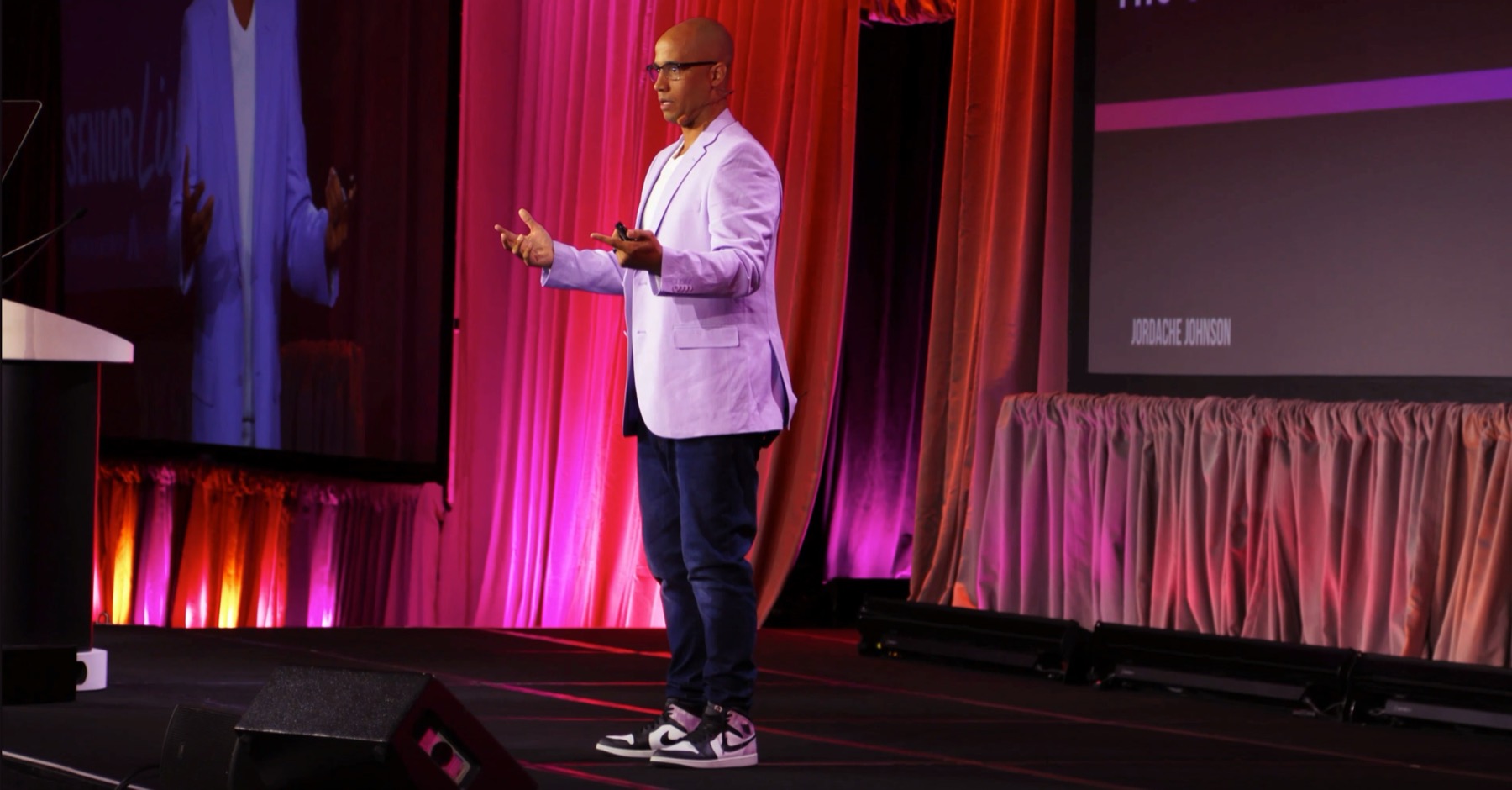
Four talks. Built for professional services rooms.
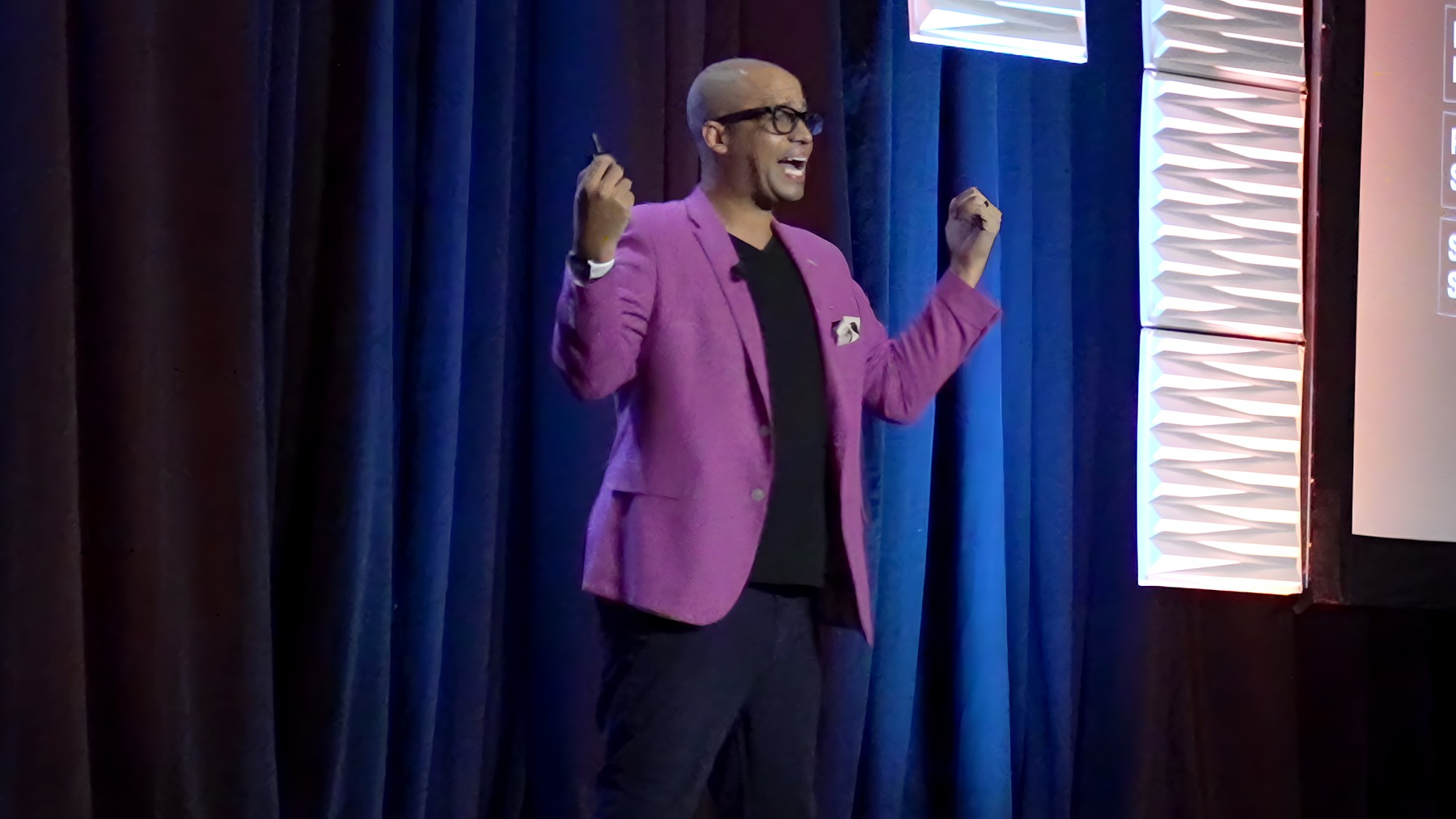
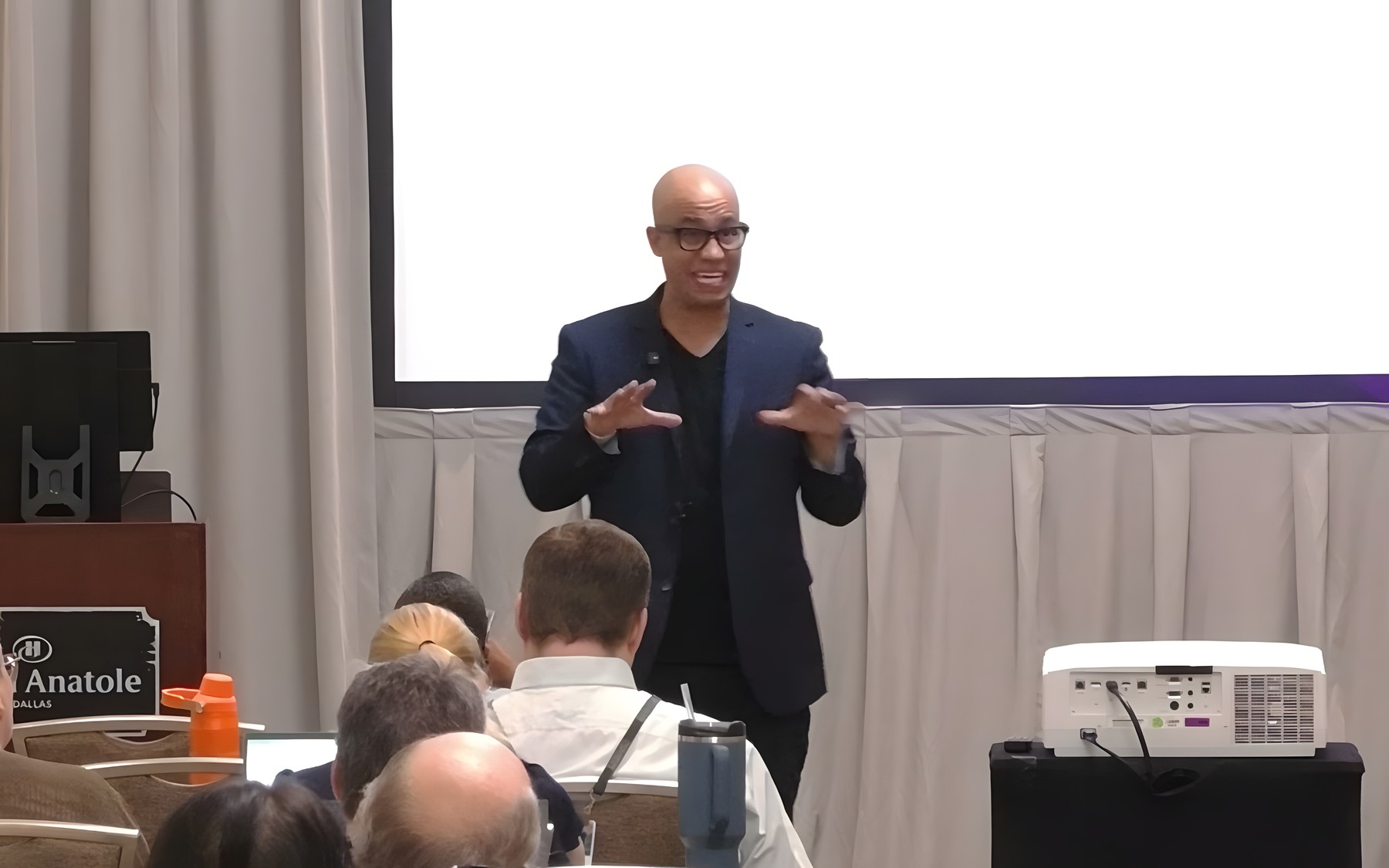

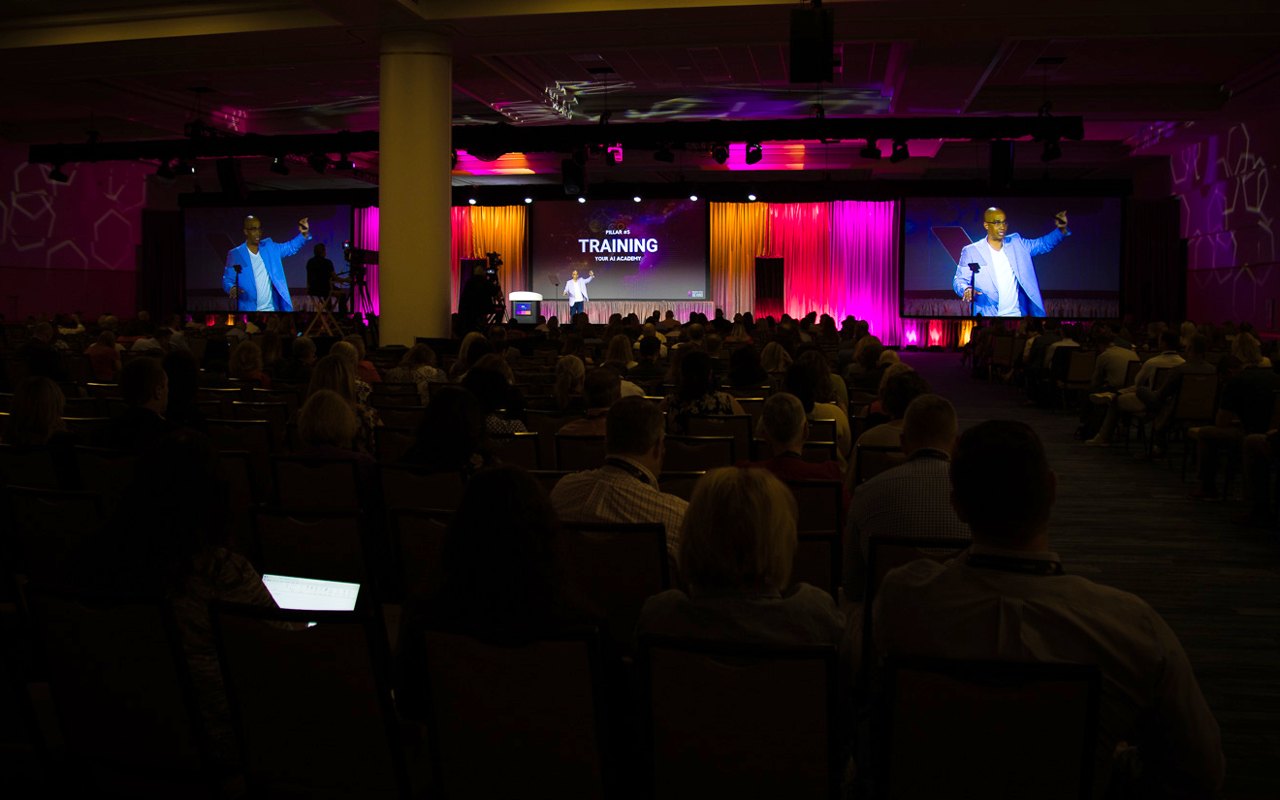
See Jordache in action
“Jordache, your presentation was energetic and highly informative. It gave me a new and positive view of AI and I look forward to using it more in the future!”
What accounting and consulting firms are facing.
Clients expect AI to change the bill, while the pipeline and the ownership of firms shift underneath them.
- 82%
Clients expect more
Eighty-two percent of accounting firm leaders say AI has raised what clients expect. Eighty-one percent haven’t changed how they price because of it.
Source: BILL survey of 207 firm leaders, late 2025
- 3in 4
Fees tied to results
BCG says three-quarters of its biggest AI engagements now have fees tied to client results. McKinsey’s CEO says about a third of its revenue is.
Source: WSJ, 2026; HBR IdeaCast, January 2026
- 10of 20
New owners
By mid-2026, half of the 20 largest US accounting firms had or were taking private equity money.
Source: CFO Brew, June 2026, citing WSJ
- 40+
A different pipeline
More than 40 states have now added a path to the CPA license that doesn’t require a fifth year of school. It trades the extra year for more experience.
Source: AICPA/NASBA model law, May 2025; CFO Dive tracker
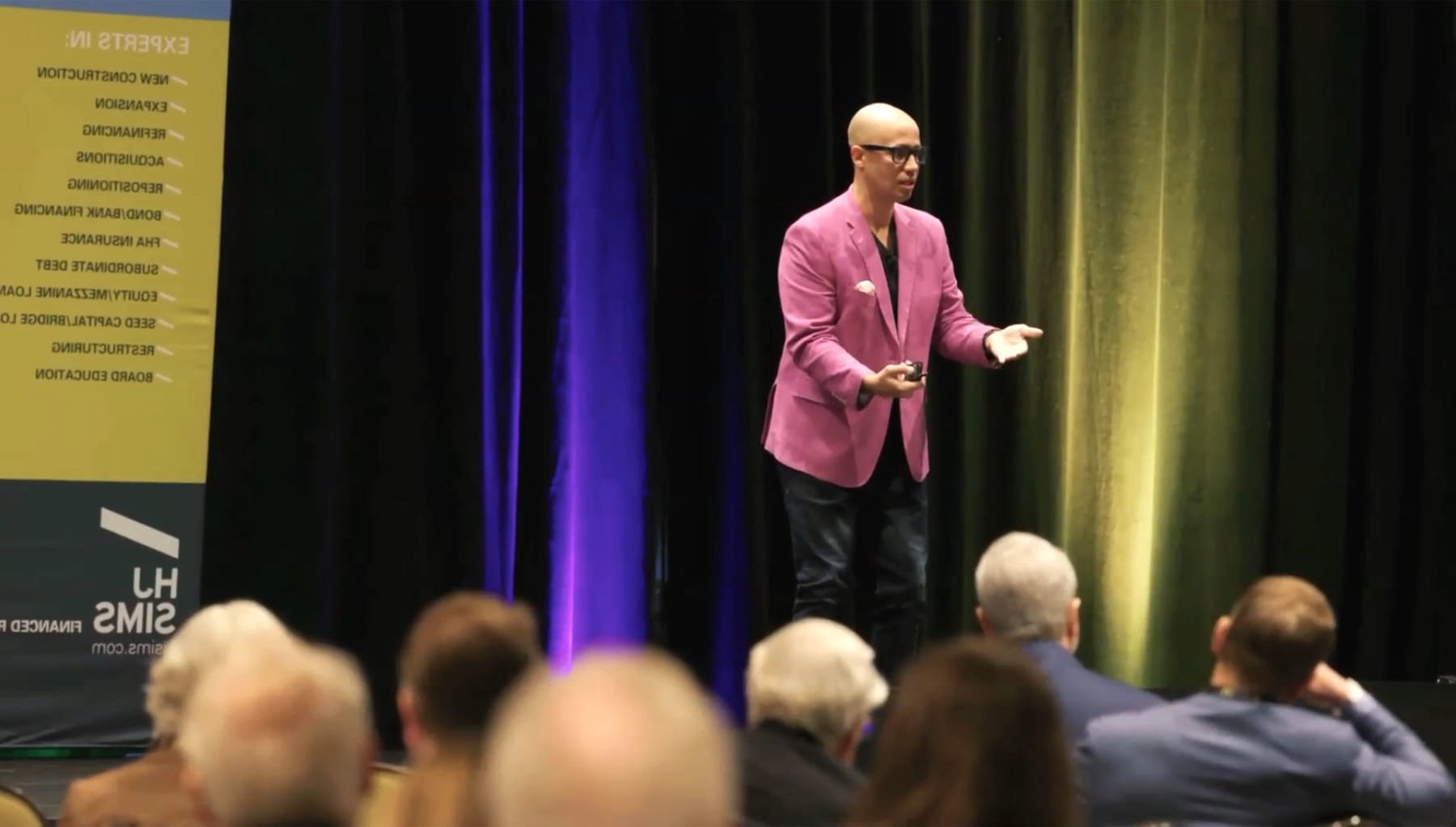
How Jordache sees it
Jordache’s view: AI cuts the hours it takes to deliver expertise, so every firm has to decide how much of that value it keeps and how much goes to the client.
The profession already ranks this first. The AICPA’s own 2026 survey of firms put managing change from technology and AI as the number one issue for the next five years, for firms of every size (AICPA PCPS, June 2026). Pricing and the partner model decide most of what happens next. When the hours fall and the bill stays the same, clients notice, and in tax work the IRS has already said where the savings should go (see the rules below).
Only 18% of professionals say their organization tracks the return on its AI (Thomson Reuters, 2026). So the talks stay practical: a few uses your people can test on their own work, inside the rules your firm already follows. Then measure what you try.
Leaders and teams at firms that sell expertise: accounting and CPA firms, consulting firms, and engineering and architecture firms.
Your room
- Managing partners and firm CEOs
- Executive committees and COOs
- Chief innovation and talent officers
- Audit, tax and advisory practice leaders
- Client accounting services leaders
- Partners and managers
- Principals and senior managers
- Seniors and staff accountants
- Tax preparers
- Auditors
- Consultants and analysts
- Project engineers and designers
In smaller firms, the owner often does the work too.
Your event
- Firm partner meetings and retreats
- Firm-wide annual meetings
- New-manager and new-partner programs
- State CPA society conferences
- Firm alliance and network conferences
- Engineering association conventions
- Consulting practice offsites
Formats
The rules in your world.
The AI rules your firm already works within, in plain words. Jordache builds the talk with them in view. As of October 2026. General education from a non-lawyer, not legal advice or a substitute for the advice of an attorney. Confirm with your counsel.
Tax practice
- In June 2026 the IRS Office of Professional Responsibility told practitioners to use only secure, enterprise-approved AI with client data, and to vet and document the tools they use.
- The same IRS guidance says that when AI saves time, the savings should be passed on openly and credited to the client.
- Tax preparers generally can’t use or share a client’s return information for anything beyond preparing the return without signed consent. Dropping it into an unsecured AI tool is how that goes wrong.
Audit
- The PCAOB hasn’t written an AI rule. Its staff reported in 2024 that auditors’ responsibilities haven’t changed, and it lists AI guidance as planned.
- The PCAOB’s new quality control standard takes effect in December 2026.
Engineering and architecture
- The engineering licensing boards’ national council (NCEES) said in 2025 that licensees “retain ultimate responsibility” and “must not use AI to practice outside of their professional competency.”
- A licensed practitioner seals and takes legal responsibility for technical submissions, AI or not (NCARB, updated April 2026).
Consulting
- Most consulting work has no licensing rule on AI, so the client contract usually sets the terms.
If your firm has private equity investment
- The AICPA’s independence rules for PE-backed firms are being rewritten (first draft December 2025; a second draft was under discussion as of August 2026). Since February 2026, peer reviews of those firms are run centrally by the AICPA’s National Peer Review Committee.
Recording and records
- Recording laws vary by state, and some require everyone in the conversation to agree. Treat an AI notetaker as recording.
- AI transcripts, summaries and prompts can come out in a lawsuit. Once a lawsuit is reasonably foreseeable, the relevant ones have to be preserved.
Related industries
Questions planners ask.
Who is a good AI keynote speaker for an accounting or consulting firm conference?
Jordache Johnson’s talks help accounting, consulting, engineering and architecture firms hand AI the routine hours while professional judgment stays with people. He also covers pricing pressure and the rules on client data, including the IRS guidance on AI in tax practice.
What are practical AI uses for a CPA firm?
Common examples are tax research and memo drafting, pulling data from tax organizers and bank statements, researching accounting and auditing guidance, and first drafts of engagement letters and proposals, with a person reviewing every output. Six in ten tax professionals in one 2026 survey use AI for tax research every week, up from a third a year earlier (Blue J and CPA.com, June 2026). With client data, the IRS says to use only secure, enterprise-approved AI and to vet and document the tools. As of October 2026. General education, not a substitute for the advice of an attorney; confirm with your counsel.
Can we put client tax returns into an AI tool?
Tax preparers generally can’t use or share a client’s return information for anything beyond preparing the return without signed consent. Dropping it into an unsecured AI tool is how that goes wrong. In June 2026 the IRS Office of Professional Responsibility told practitioners to use only secure, enterprise-approved AI with client data, and to vet and document the tools they use. As of October 2026. General education, not a substitute for the advice of an attorney; confirm with your counsel.
What does the PCAOB expect when auditors use AI?
The PCAOB hasn’t written an AI rule. Its staff reported in 2024 that auditors’ responsibilities haven’t changed, and it lists AI guidance as planned. The PCAOB’s new quality control standard takes effect in December 2026. As of October 2026. General education, not a substitute for the advice of an attorney; confirm with your counsel.
If AI cuts our hours, how should we price our work?
That’s each firm’s decision, and the talk puts the evidence on the table. Eighty-two percent of accounting firm leaders say AI has raised what clients expect. Eighty-one percent haven’t changed how they price because of it (BILL survey of 207 firm leaders, late 2025). IRS guidance says that when AI saves time, the savings should be passed on openly and credited to the client (OPR Issue 2026-19). In consulting, BCG says three-quarters of its biggest AI engagements now have fees tied to client results (WSJ, 2026). As of October 2026. General education, not a substitute for the advice of an attorney; confirm with your counsel.
Can engineers and architects seal work that AI helped produce?
The guidance so far treats AI as a tool and keeps full responsibility with the licensed person who seals the work. The engineering licensing boards’ national council (NCEES) said in 2025 that licensees “retain ultimate responsibility,” and it has asked state boards to develop their own guidelines or rules. The Texas Board of Professional Engineers and Land Surveyors said in November 2024 that AI software is a tool and licensees remain responsible for what they sign and seal (Policy Advisory Opinion Request No. 71). A licensed practitioner seals and takes legal responsibility for technical submissions, AI or not (NCARB, updated April 2026). As of October 2026. General education, not a substitute for the advice of an attorney; confirm with your counsel.
Can the talk be customized, delivered virtually, or run as a series?
Yes. Jordache builds every talk around your audience’s roles and examples. It can run in person or virtually as a keynote, a hands-on workshop, or both, or as a series of sessions before and after your event.
What does it cost to book Jordache?
It depends on the format, the length and travel. Book a call and we’ll talk through your event.
Book Jordache for your partner meeting, firm retreat, firm-wide annual meeting or CPA society conference.
For managing partners and firm leaders who want to use AI in their own work first: Executive AI Advisory