
AI keynote speaker forlaw firm and bar association conferences
Practical AI for legal leaders, lawyers and their teams, in a profession that sells judgment by the hour.
The short answer
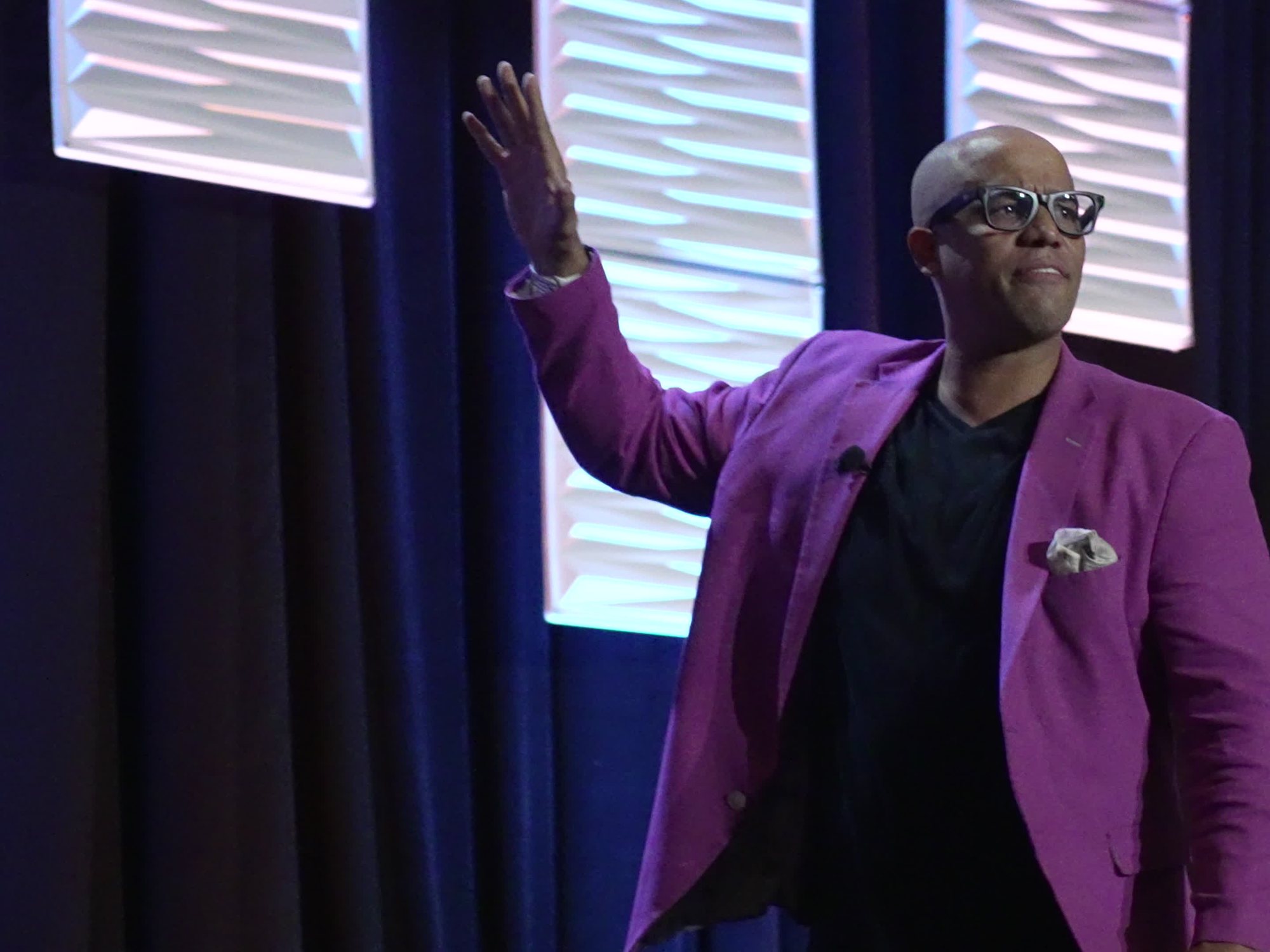
Jordache Johnson is an AI keynote speaker for law firm, legal department and bar association conferences. He helps legal leaders, lawyers and their teams use AI on first drafts and research while every word to a court or client stays the lawyer’s call. Your audience leaves with one use to try and ABA Formal Opinion 512 in plain words.
Updated October 2026.
Where AI fits in legal work.
Six examples of where lawyers and legal teams put AI to work. There are many more, and the talk is built around yours. What AI handles, and what stays with your people.
Research memos
A first pass at the research, and summaries of the cases it finds.
Checking the authority, and deciding what it means for this client.
First drafts
First drafts of memos, briefs, contracts and correspondence.
Every word that goes to a court or a client. Under ABA Formal Opinion 512, hourly billing means the time you actually spent, including checking the AI’s work.
Contract review and due diligence
A first read of contracts and diligence documents, and a draft summary of the clauses.
What a clause means for this client, and the advice that follows. Under the ABA’s guidance, before client information goes into a self-learning AI tool, you need the client’s informed consent.
Privilege logs
A first draft of the privilege log.
The privilege calls, and what goes out the door.
Deposition and record summaries
Summaries of depositions, transcripts and long records.
The testimony that matters, and the case you build around it.
Meeting notes and call summaries
Meeting notes and call summaries.
What the notes say, and whether a call gets recorded at all. In New York City, the bar’s ethics committee now says: get everyone’s consent before an AI tool records a call, and with non-clients, don’t record or summarize by default without a good reason.
Four talks. Built for legal rooms.

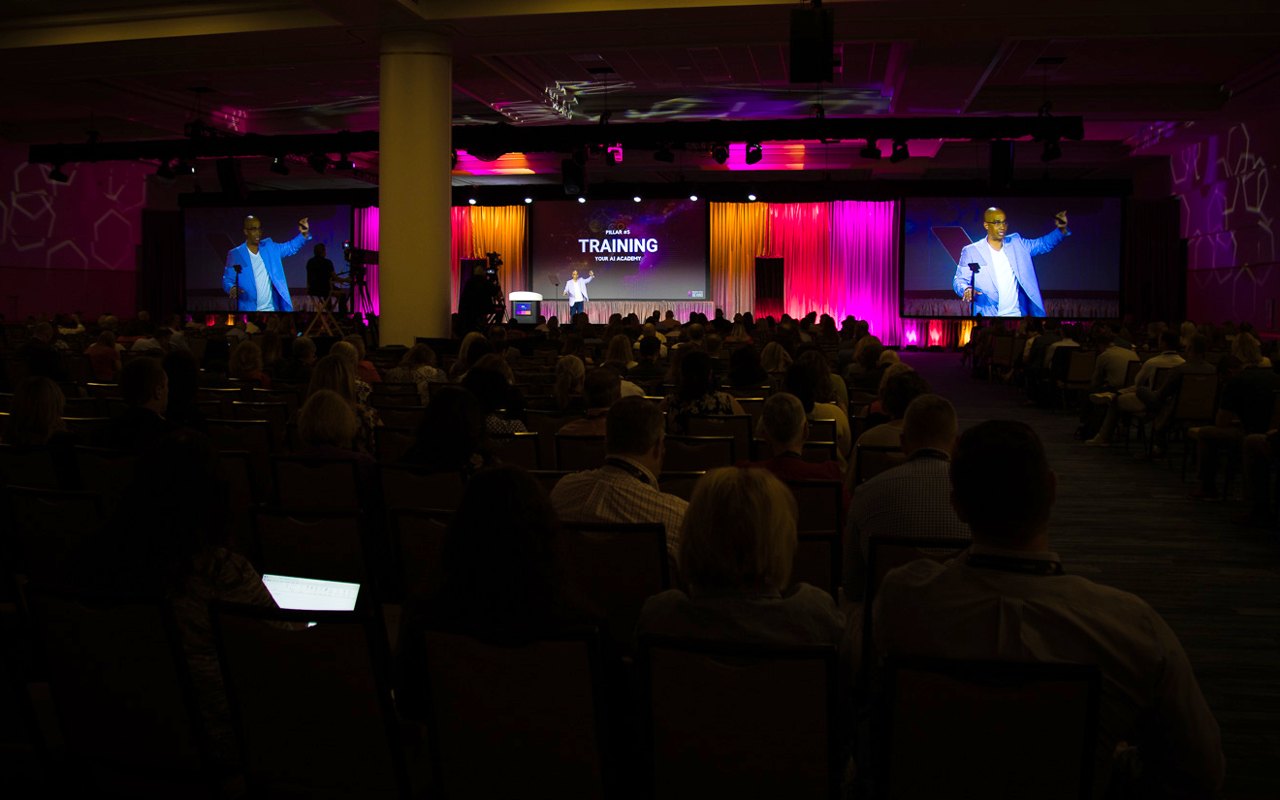
See Jordache in action
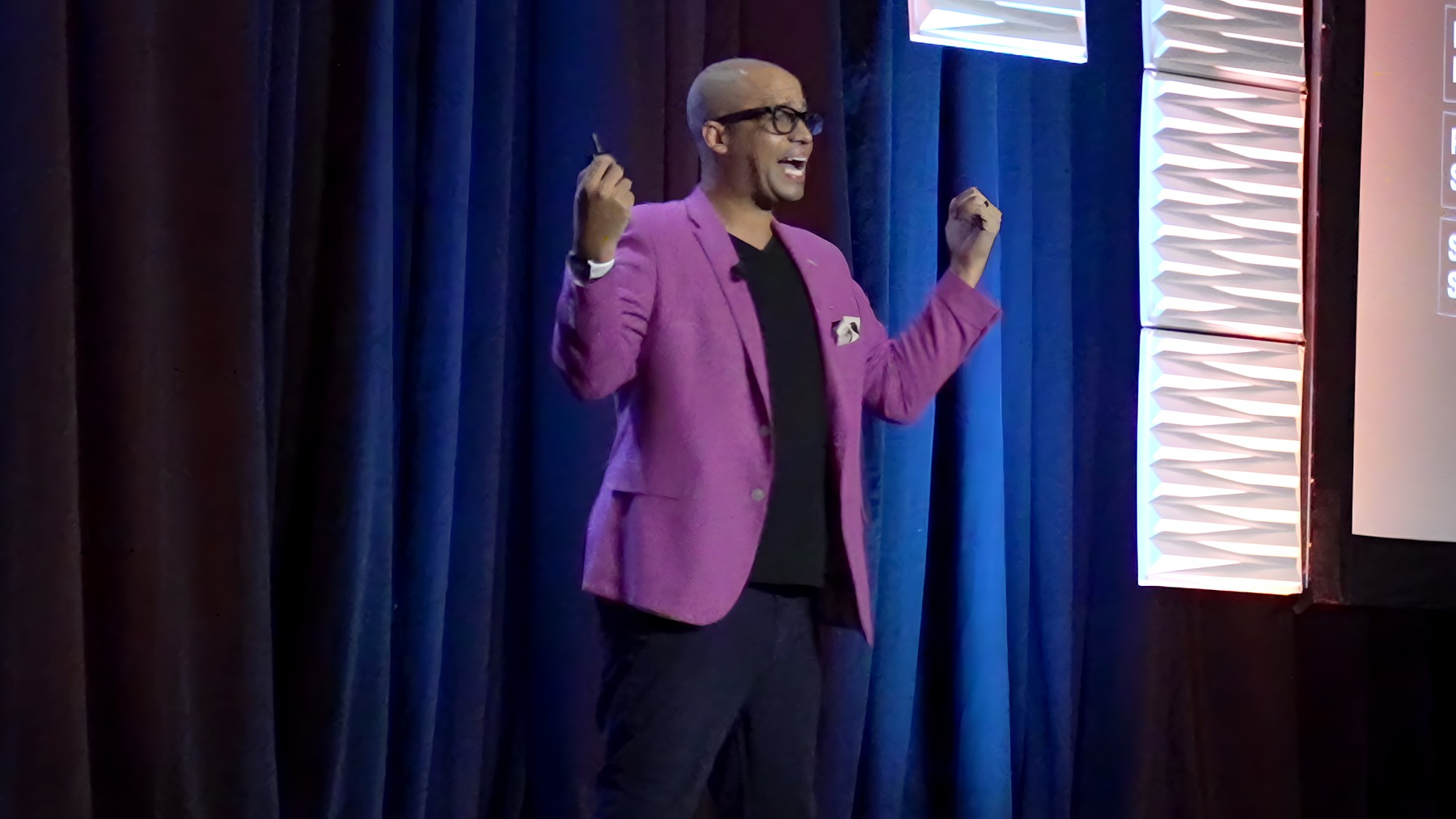
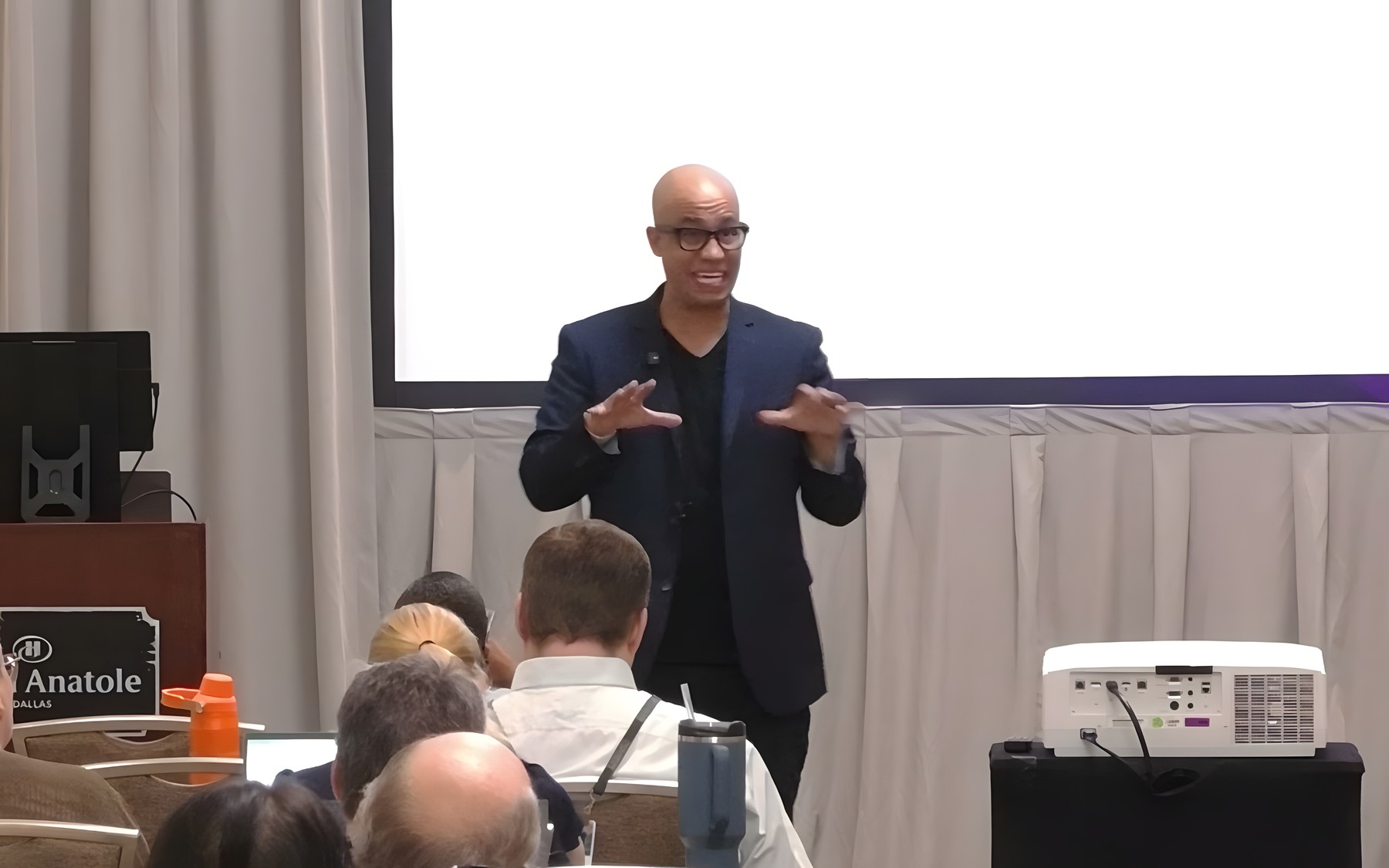
“Jordache, your presentation was energetic and highly informative. It gave me a new and positive view of AI and I look forward to using it more in the future!”
What law firms and legal departments are facing.
Clients expect AI to change how legal work is priced, and most firm professionals say their pricing hasn’t changed.
- 90%
The billable hour
Ninety percent of legal dollars still run through the billable hour. Sixty-two percent of firm professionals say their pricing hasn’t changed.
Source: Thomson Reuters Institute and Georgetown Law, January 2026; Thomson Reuters, Future of Professionals 2026
- 32%
Clients are watching
Almost one-third of corporate legal professionals say they’re reconsidering outside firms that can’t show AI-enabled value within 12 months. Only one in ten firm professionals thinks they could lose clients over AI in the next year.
Source: Thomson Reuters, Future of Professionals 2026
- 78%
The apprenticeship
Seventy-eight percent of firm professionals say early-career lawyers depend on mentorship to build the skills AI is taking over. Law firm professionals expect juniors to take about a year longer to reach trusted independent judgment.
Source: Thomson Reuters, Future of Professionals 2026
- 1in 3
Tools nobody approved
A third of law firm professionals use AI tools their firm hasn’t approved.
Source: Thomson Reuters, Future of Professionals 2026
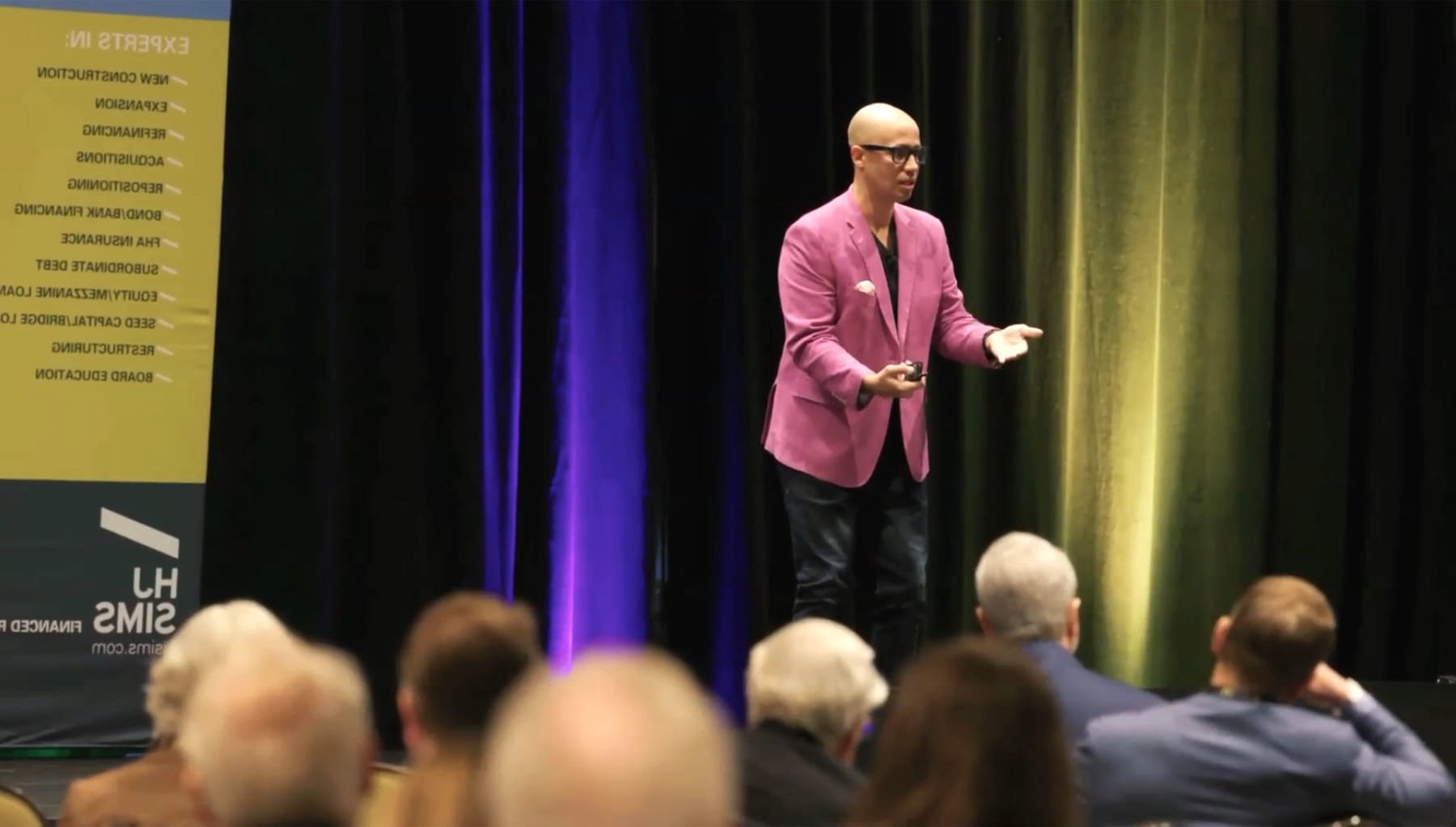
How Jordache sees it
Jordache sees AI in law as a supervision question first: the lawyer checks the work and stands behind it, whoever drafted it.
Lawyers are trained to check the authority before they rely on it. That habit is exactly what AI output needs. AI can draft the memo and summarize the deposition. Deciding what the client should do still takes a lawyer who knows the client and the court.
The harder question is the apprenticeship. The biggest firms, 500-plus lawyers, hired about 540 fewer new graduates from the Class of 2025 than the year before (NALP, August 2026). So the talks stay practical: a few uses your people can test on internal work, with review built in, inside the ethics rules you already practice under.
Lawyers, the teams that support their work, and the leaders who run firms and legal departments.
Your room
- Managing partners and firm chairs
- Executive committees
- COOs and executive directors
- Chief innovation, knowledge and talent officers
- Practice group leaders
- General counsel
- Legal operations leaders
- Partners, associates and counsel
- Paralegals
- Knowledge management teams
- Litigation support and e-discovery teams
- Legal operations staff
- Library staff
- Legal secretaries and assistants
- In-house lawyers
At bar events, solo and small-firm lawyers too.
Your event
- Firm partner retreats
- Practice group retreats
- State and local bar annual meetings
- In-house legal department offsites
- Legal operations conferences
- Legal technology conferences
- Judicial conferences
Formats
The rules in your world.
The AI rules the legal profession already works within, in plain words. Jordache builds the talk with them in view. As of October 2026. General education from a non-lawyer, not legal advice or a substitute for the advice of an attorney. Check your state bar’s rules.
Ethics duties (ABA Formal Opinion 512)
- The ABA’s first formal AI ethics opinion came out in July 2024. Its message: AI doesn’t change your duties. Competence, confidentiality, candor and honest billing still apply.
- Under the ABA’s guidance, before client information goes into a self-learning AI tool, you need the client’s informed consent. Boilerplate in the engagement letter doesn’t count.
- If you bill hourly, the guidance is to bill the time you actually spent, including checking the AI’s work. The time AI saved you doesn’t go on the bill (ABA Formal Opinion 512; Texas Opinion 705).
- State bar opinions show a broad consensus on competence, confidentiality, verification and supervision. On fees, most say bill actual hours; Virginia (LEO 1901, November 2025) is more permissive on flat fees than the ABA.
Courts and filings
- A federal judge in Alabama publicly reprimanded three lawyers for fake AI citations, took them off the case, referred them to the bar, and made them send the order to every client and judge in their other cases (Johnson v. Dunn, July 2025). The firm itself wasn’t sanctioned.
- The federal rule on AI evidence, proposed Rule 707, went out for comment in 2025 and was pulled back for a rewrite in May 2026. Nothing is adopted yet.
- Individual judges set their own AI rules, so check the assigned judge’s standing orders before you file.
Privilege
- In February 2026 a federal judge in New York ruled that documents a defendant created on his own with a consumer chatbot weren’t privileged. The judge said it might be different if a lawyer had directed the work.
If you practice in New York City
- In New York City, the bar’s ethics committee now says: get everyone’s consent before an AI tool records a call, and with non-clients, don’t record or summarize by default without a good reason.
Recording and records
- Recording laws vary by state, and some require everyone in the conversation to agree. Treat an AI notetaker as recording.
- AI transcripts, summaries and prompts can come out in a lawsuit. Once a lawsuit is reasonably foreseeable, the relevant ones have to be preserved.
Related industries
Questions planners ask.
Who is a good AI keynote speaker for a law firm or bar association conference?
Jordache Johnson’s talks help lawyers, general counsel and legal teams put AI to work on first drafts and research while the lawyer checks and owns every word that goes out. His talks flag what lawyers should weigh, including ABA Formal Opinion 512, billing for AI-assisted work, and what courts expect.
What are practical AI uses for a law firm?
Common examples are research and case summaries, first drafts of memos and correspondence, summarizing depositions and long records, and contract review, with a lawyer checking every output. Another example is internal work, such as research memos and knowledge management, with review built in.
Do we need client consent to use AI?
Under the ABA’s guidance, before client information goes into a self-learning AI tool, you need the client’s informed consent. Boilerplate in the engagement letter doesn’t count. Beyond that, whether to tell a client depends on the facts. As of October 2026. General education, not a substitute for the advice of an attorney; check your state bar’s rules.
How should a law firm bill for AI-assisted work?
If you bill hourly, the guidance is to bill the time you actually spent, including checking the AI’s work. The time AI saved you doesn’t go on the bill (ABA Formal Opinion 512; Texas Opinion 705). On fees, most state bars say bill actual hours; Virginia (LEO 1901, November 2025) is more permissive on flat fees than the ABA. As of October 2026. General education, not a substitute for the advice of an attorney; check your state bar’s rules.
How do courts respond to hallucinated citations?
A public database now lists more than 2,200 court decisions dealing with AI-made-up content. Most involve people representing themselves, but more than 800 involve lawyers (Damien Charlotin’s database; split as of September 2026). A federal judge in Alabama publicly reprimanded three lawyers for fake AI citations, took them off the case, referred them to the bar, and made them send the order to every client and judge in their other cases (Johnson v. Dunn, July 2025). Check the assigned judge’s standing orders before you file. As of October 2026. General education, not a substitute for the advice of an attorney; check your state bar’s rules.
Does using AI waive privilege?
In February 2026 a federal judge in New York ruled that documents a defendant created on his own with a consumer chatbot weren’t privileged. The judge said it might be different if a lawyer had directed the work. Early rulings differ. The same month a federal court in Michigan protected a self-represented litigant’s ChatGPT work as work product, and a Colorado federal court allowed similar protection in March. As of October 2026. General education, not a substitute for the advice of an attorney; check your state bar’s rules.
Can the talk be customized, delivered virtually, or run as a series?
Yes. Jordache builds every talk around your audience’s roles and examples. It can run in person or virtually as a keynote, a hands-on workshop, or both, or as a series of sessions before and after your event.
What does it cost to book Jordache?
It depends on the format, the length and travel. Book a call and we’ll talk through your event.
Book Jordache for your firm retreat, practice group retreat, bar annual meeting or legal department offsite.
For managing partners and general counsel who want to use AI in their own work first: Executive AI Advisory