
AI keynote speaker forinsurance conferences
Practical AI for insurance leaders and the people who write the risk and pay the claim.
The short answer
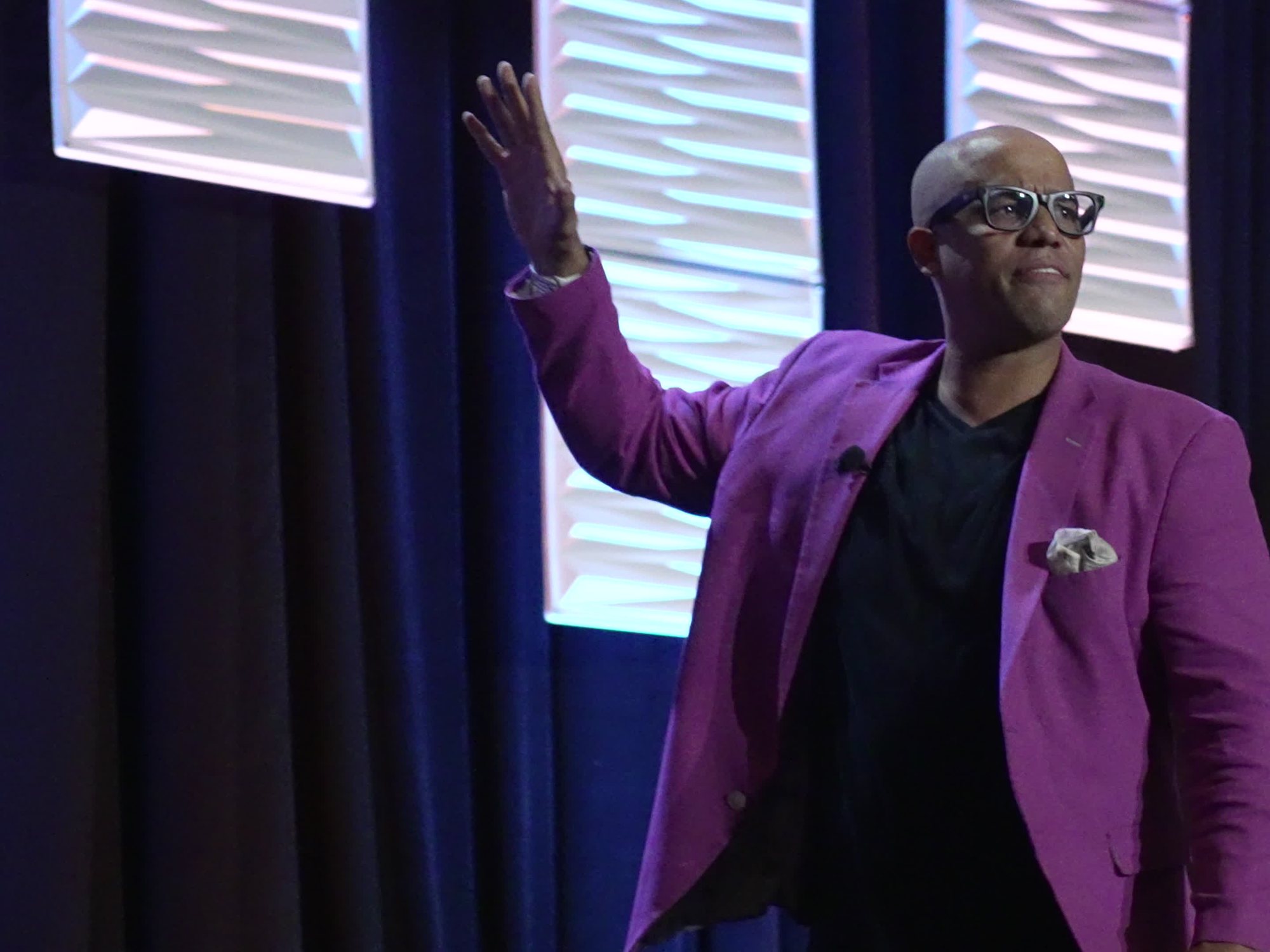
Jordache Johnson is an AI keynote speaker for insurance conferences. He helps insurance leaders, underwriters, adjusters and agents put AI to work on the paperwork and data gathering while people keep the coverage and claim decisions. His talks also flag the state rules that apply, including the NAIC’s AI model bulletin and New York’s expectations for AI in underwriting.
Updated October 2026.
Where AI fits in insurance work.
Four examples of where insurance teams put AI to work. There are many more, and the talk is built around yours. What AI handles, and what stays with your people.
Underwriting intake
Summarizing submissions, and pulling data out of loss runs and applications.
The risk decision, and what your best underwriters know that no file captures.
Claim status emails
First drafts of claim status emails.
The tone with a claimant on a hard day, and what the email promises.
Claims triage and routing
Reading the first notice of loss, and sorting simple claims from complex ones.
The hard claims, and the final call to deny. A New Jersey bill would bar AI from making the final call to deny auto, home or flood claims. It hasn’t passed.
Agency work
Drafting policy comparisons, renewal and service replies, customer service chat, and marketing copy.
The client relationship and the advice.
Four talks. Built for insurance rooms.
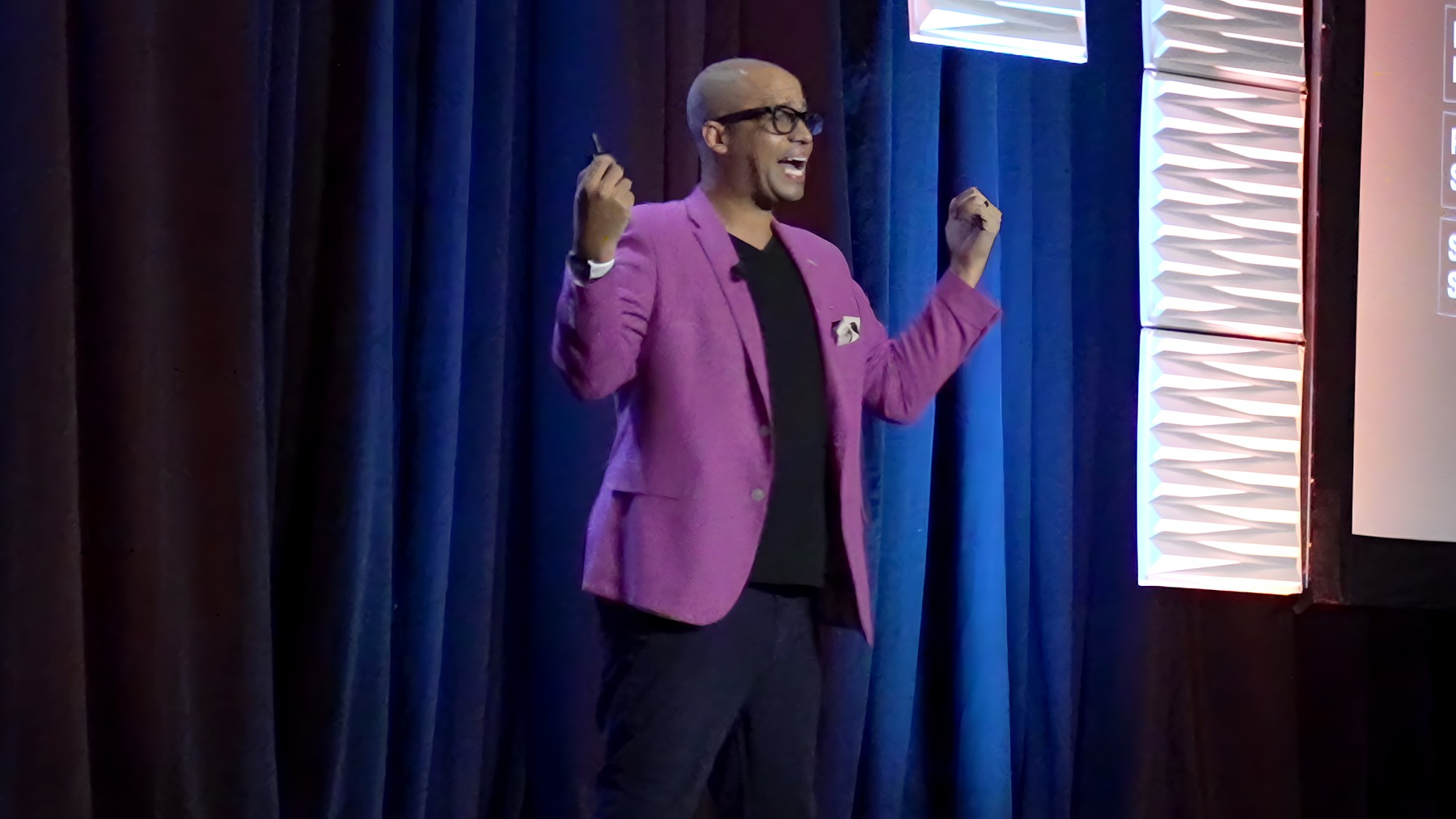
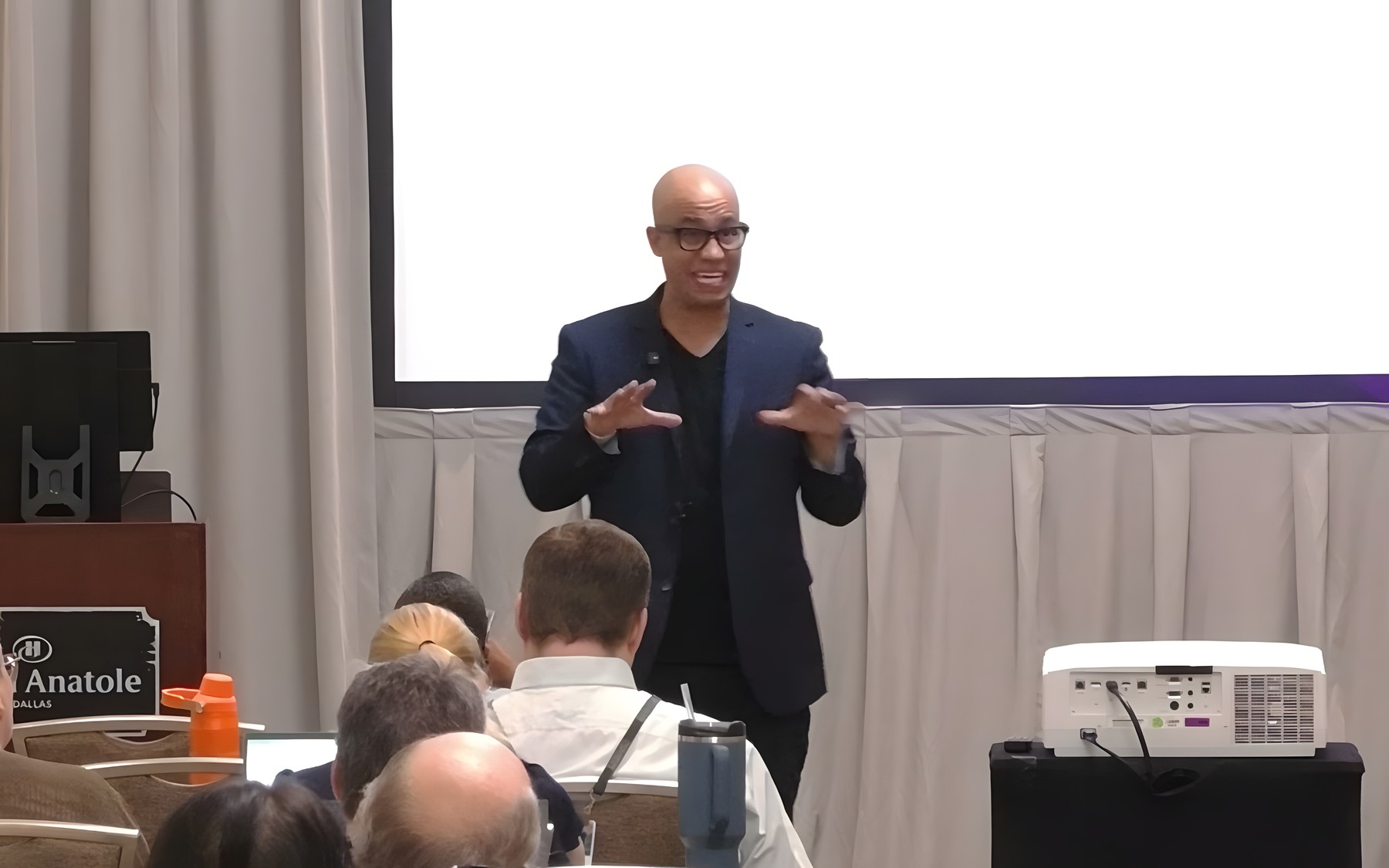
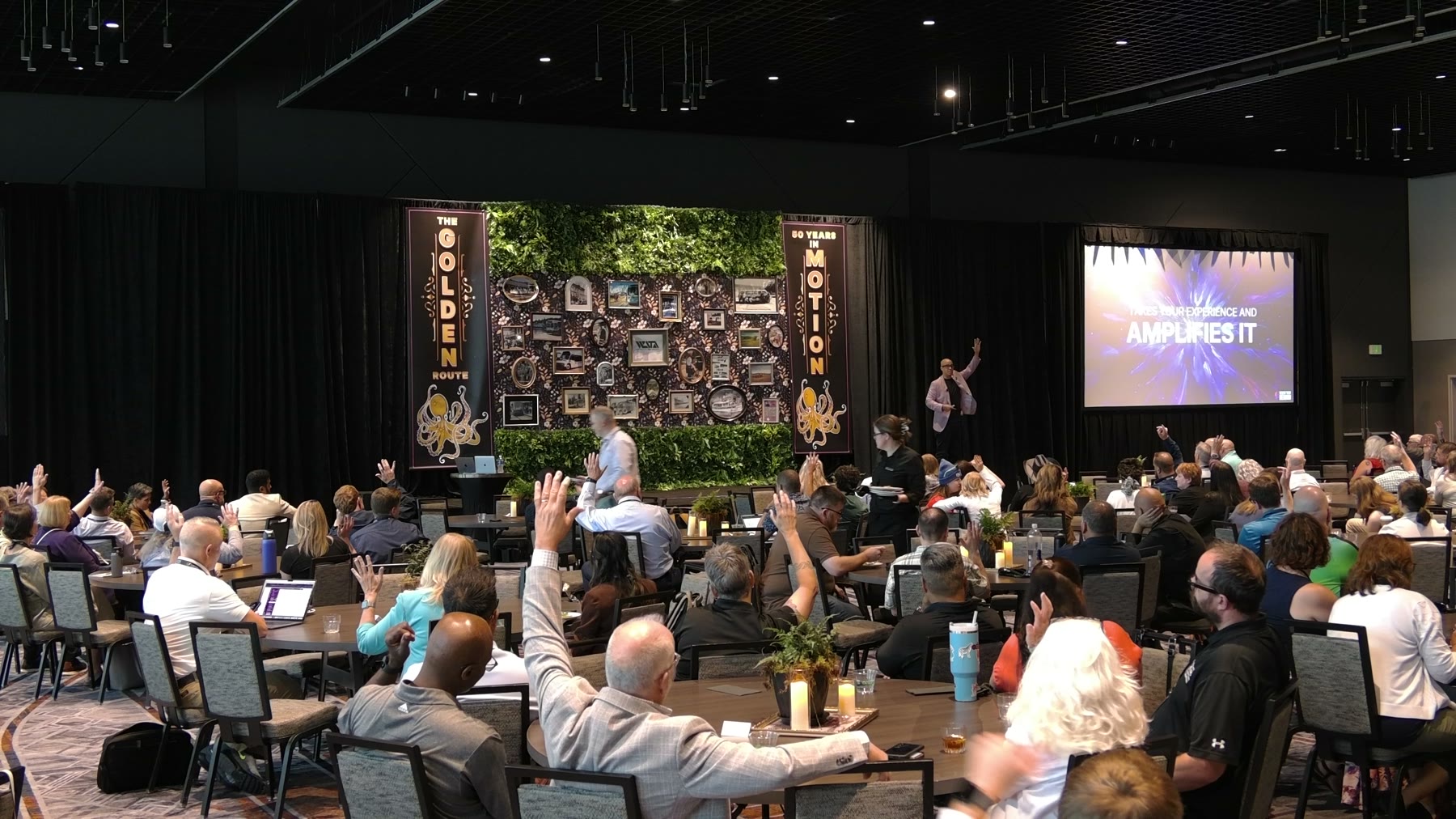
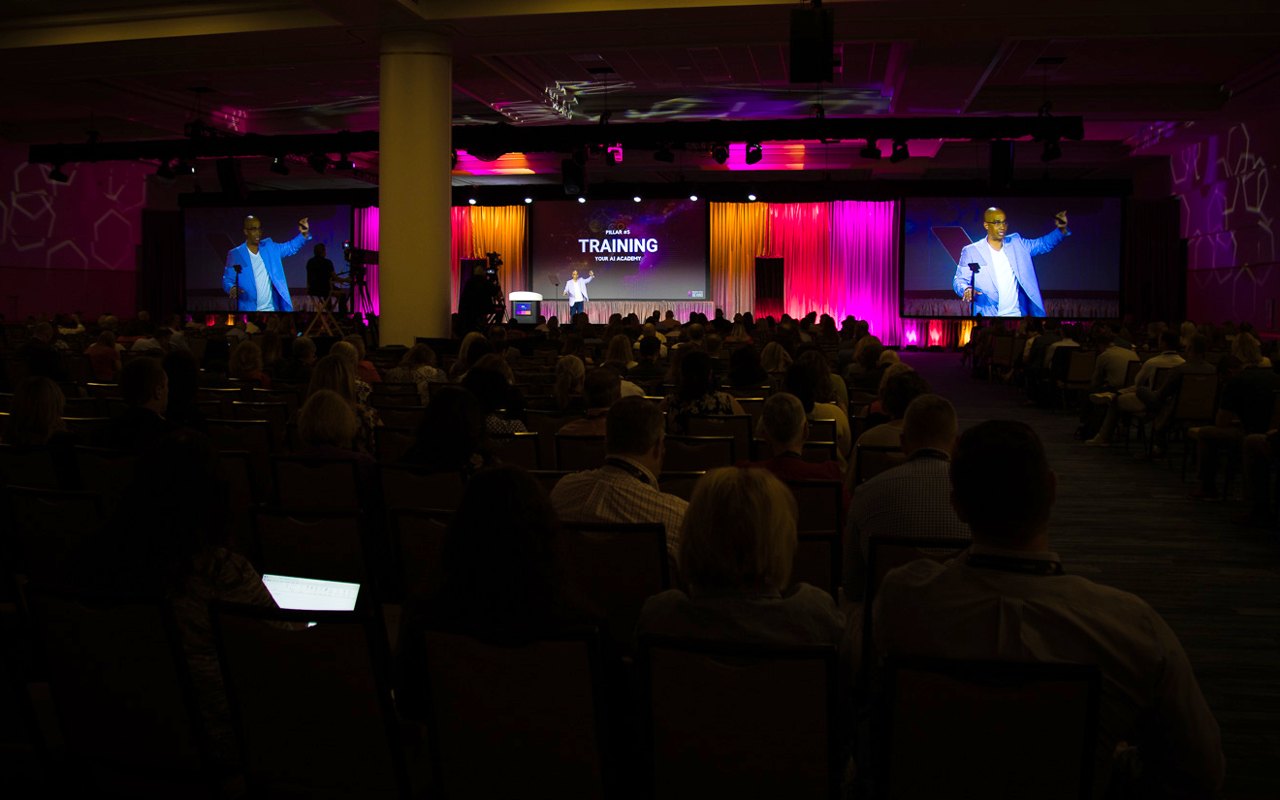
See Jordache in action
“You opened my eyes at the keynote. I was blown away at your breakout session. Literally blown away.”
What insurers are facing.
Insurers are carrying heavy losses while the bench of experienced people gets thinner.
- $100billion
Catastrophe losses
In 2025, US insured losses from natural disasters were about $100 billion. The industry still posted a 92.9% combined ratio, its best underwriting result in over two decades.
Source: NAIC
- $232to $281 billion
Liability costs
Legal system abuse added $232 billion to $281 billion to liability losses over ten years through 2024. Commercial auto is on track to lose money on underwriting for a fifth straight year in 2026.
Source: Triple-I and Casualty Actuarial Society; Triple-I/Milliman, 100.9 forecast
- About50%
The career ladder
Entry-level adjuster postings are down about half since early 2024 while senior postings stay about 80% above 2017. BLS projects claims adjuster jobs to shrink 6% by 2035, yet about 21,600 openings a year will come from people retiring or leaving.
Source: Glassdoor and Indeed; BLS
- 98%
A skeptical workforce
98% of claims adjusters’ Glassdoor reviews that mentioned AI were negative, the highest of any job measured. Workers were more positive when employers gave them tools and training.
Source: Glassdoor
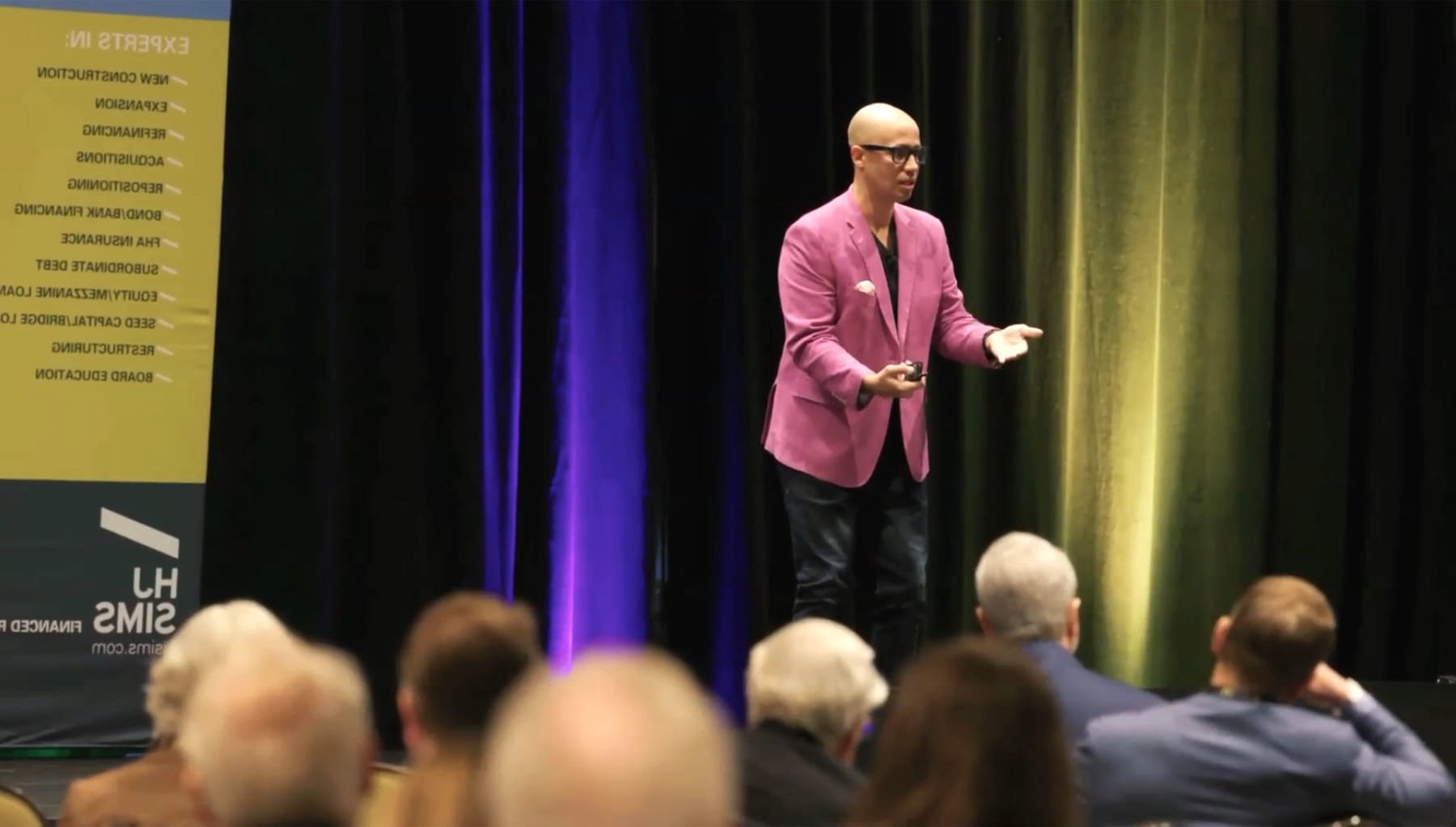
How Jordache sees it
Insurance runs on judgment, so AI is worth using when underwriters, adjusters and agents can see where it helps and where the human decision stays.
The NAIC itself says AI is more likely to support insurance workers than replace them. The people doing the work aren’t convinced yet. The Glassdoor numbers above say so plainly, and they also say what helps: tools and training. So the talks start with the work around a decision before the decision itself. The intake summary. The first draft of the claim status email, with an adjuster reviewing it. Then a person decides, and can explain how.
These talks are for insurance professionals and the leaders who run carriers, agencies and claims teams.
Your room
- Personal, commercial and specialty underwriters
- Actuaries and pricing teams
- Claims adjusters and claims managers
- Special investigations units
- Agents, producers and account managers
- Customer service representatives
- Compliance and data teams
- Legal and IT teams
- Carrier and agency executives
Your event
- State agent association conventions
- Carrier agency councils
- Claims conferences and underwriting summits
- Insurance professional society chapter meetings
- InsurTech conferences
- Leadership retreats
- Broker platform partner meetings
Formats
The rules in your world.
The AI rules insurance already works within, in plain words. Jordache builds the talk with them in view. As of October 2026. General education from a non-lawyer, not legal advice or a substitute for the advice of an attorney. Confirm with your counsel.
State AI rules across lines
- As of October 2026, 29 jurisdictions have adopted the NAIC’s AI model bulletin, and four more have their own insurance-specific AI regulation or guidance.
- New York expects insurers to explain how their AI underwriting works and to test it for unfair discrimination, even when the model comes from a vendor. The insurer stays responsible.
- Colorado requires individual life, private auto and health insurers that use outside consumer data and models to run a board-overseen governance program and file an annual report signed by an officer. Auto and health reports started July 1, 2026.
- Colorado’s bias-testing rules aren’t adopted yet. Insurers don’t have to report test results until they are.
Still in draft at the NAIC
- NAIC regulators piloted an AI Risk Evaluation Supplement (formerly the AI Systems Evaluation Tool) in 12 states in 2026 and plan to vote on it in November 2026.
- A July 2026 NAIC draft would encourage third-party data and model vendors to register in a shared registry. Not adopted.
Claims decisions in property and casualty
- A New Jersey bill introduced in September 2026 would bar AI from making the final call to deny auto, home or flood claims. It hasn’t passed.
If you write health coverage
- In health insurance, 11 of the 13 states that regulate AI in utilization review say a qualified human makes the denial (state trackers, October 2026).
If you write life or health coverage in the EU
- Under the EU AI Act, AI systems for risk assessment and pricing of individuals in life and health insurance are high-risk. Those duties apply from December 2, 2027.
Recording and records
- Recording laws vary by state, and some require everyone in the conversation to agree. Treat an AI notetaker as recording.
- AI transcripts, summaries and prompts can come out in a lawsuit. Once a lawsuit is reasonably foreseeable, the relevant ones have to be preserved.
Related industries
Questions planners ask.
Who is a good AI keynote speaker for an insurance conference?
Jordache Johnson builds his AI keynotes for carriers, agencies and claims teams. His talks help underwriters, adjusters and agents put AI to work on the paperwork and data gathering while people keep the coverage and claim decisions. He also flags the state rules that apply, including the NAIC’s AI model bulletin and New York’s expectations for AI in underwriting.
What are practical AI uses for insurers and agencies?
Common examples are tasks a person reviews: summarizing underwriting submissions and loss runs, drafting claim status emails for an adjuster to edit, and routing simple claims to fast settlement and complex ones to an adjuster. Agencies use AI for policy comparisons, renewals and client emails. Health insurers are already well along: 84% of health insurers in an NAIC survey use AI or machine learning (NAIC, May 2025).
Can AI deny an insurance claim?
It depends on the line and the state. In health insurance, 11 of the 13 states that regulate AI in utilization review say a qualified human makes the denial (state trackers, October 2026). A New Jersey bill introduced in September 2026 would bar AI from making the final call to deny auto, home or flood claims. It hasn’t passed. As of October 2026. General education, not a substitute for the advice of an attorney; confirm with your counsel.
What do state regulators expect from insurers that use AI?
As of October 2026, 29 jurisdictions have adopted the NAIC’s AI model bulletin, and four more have their own insurance-specific AI regulation or guidance. New York expects insurers to explain how their AI underwriting works and to test it for unfair discrimination, even when the model comes from a vendor. The insurer stays responsible. Colorado requires individual life, private auto and health insurers that use outside consumer data and models to run a board-overseen governance program and file an annual report signed by an officer. As of October 2026. General education, not a substitute for the advice of an attorney; confirm with your counsel.
We use a vendor’s AI model. Are we still responsible?
New York is explicit: it expects insurers to explain how their AI underwriting works and to test it for unfair discrimination, even when the model comes from a vendor. Don’t assume other states differ; ask counsel. As of October 2026. General education, not a substitute for the advice of an attorney; confirm with your counsel.
Will AI replace claims adjusters or underwriters?
The NAIC itself says AI is more likely to support insurance workers than replace them. The entry-level pipeline is the pressure point. BLS projects claims adjuster jobs to shrink 6% by 2035, yet about 21,600 openings a year will come from people retiring or leaving. Entry-level adjuster postings are down about half since early 2024 while senior postings stay about 80% above 2017 (Glassdoor and Indeed).
Can the talk be customized or delivered virtually?
Yes. Jordache builds every talk around your audience’s lines and roles. It can run in person or virtually as a keynote, a hands-on workshop, or both.
What does it cost to book Jordache?
It depends on the format, the length and travel. Book a call and we’ll talk through your event.
Book Jordache for your insurance conference, chapter meeting, claims or underwriting event, or leadership retreat.
For carrier and agency leaders who want to use AI in their own work first: Executive AI Advisory