
AI keynote speaker forbanking conferences
Practical AI for bank leaders and the teams who know their customers by name.
The short answer
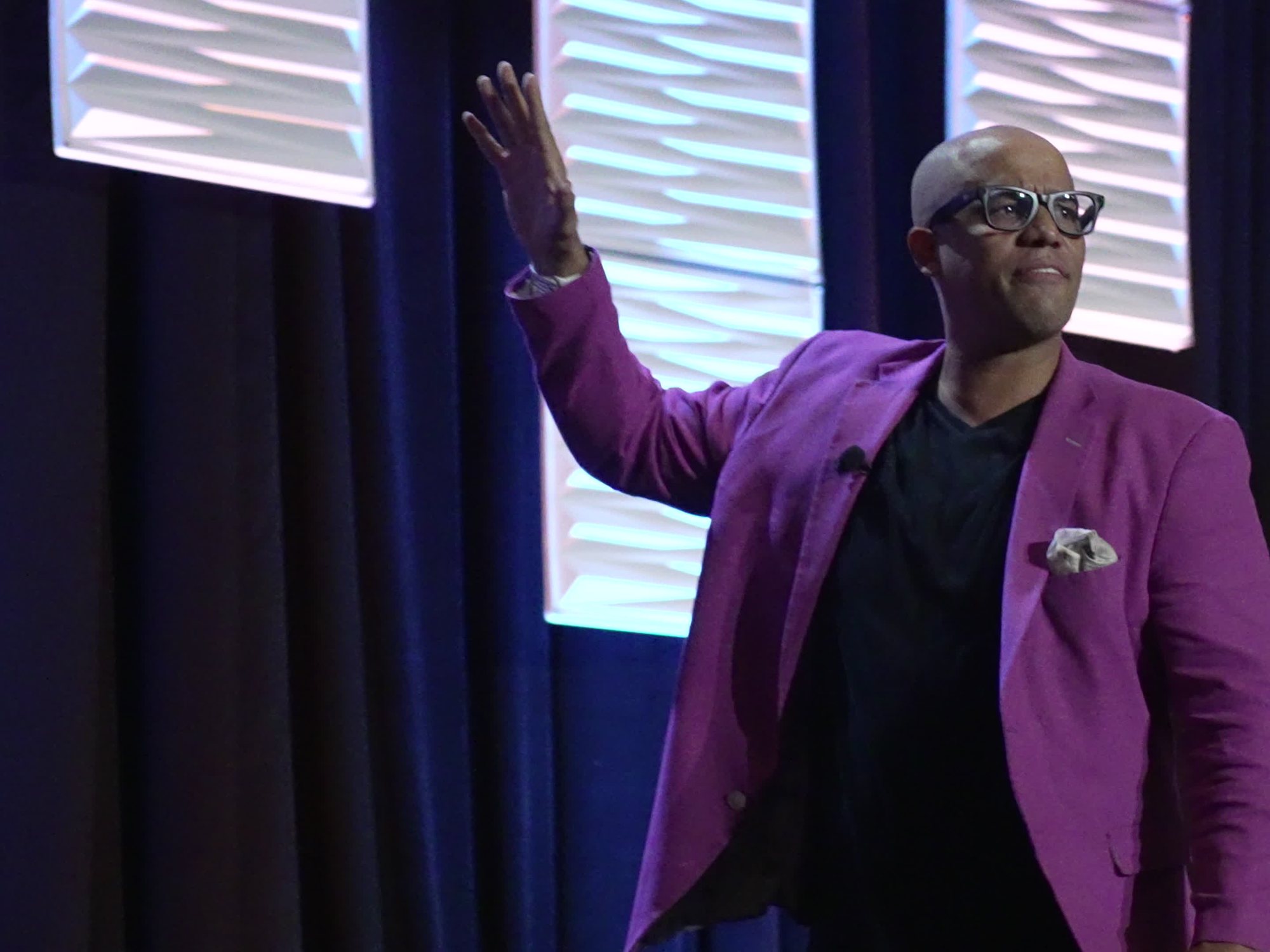
Jordache Johnson is an AI keynote speaker for banking conferences. He shows bank leaders and their teams how AI can give them more time for the customer relationship, and how to protect that relationship from deepfake fraud. His talks also flag the rules to take to your counsel, including specific reasons on declined loans and consent for AI voice calls.
Updated October 2026.
Where AI fits in bank work.
Six examples of where bank teams put AI to work. There are many more, and the talk is built around yours. What AI handles, and what stays with your people.
Regulator guidance and policies
Summarizing public regulator guidance and internal policies. Drafting staff memos.
What it means for your institution, and the question bankers are trained to ask: will the examiner accept it? Exam reports and supervisory letters are confidential supervisory information, so they stay out unless your regulator’s rules allow it.
Call summaries and customer service
Summarizing calls, drafting answers for the contact center, and chat answers to routine questions.
The big decisions, and the customer who wants a person on the other end. Recording laws vary by state, and some require everyone on the call to agree.
Credit memos and spreading
Spreading financials, drafting credit memos, and annual review prep.
Reading the borrower, and the reasons behind the decision. If AI helps decline a loan, the bank still owes specific reasons.
Marketing and customer communications
First drafts of marketing pieces and customer communications.
The voice of an institution that knows its customers by name, and the final read before anything goes out.
BSA investigation narratives
First drafts of investigation narratives.
The investigation and the decision. FinCEN’s proposed AML rule says banks that responsibly experiment with new technology won’t face extra enforcement risk for that alone. It’s a proposal. A SAR, and anything that would reveal one, is confidential. This work stays inside your approved BSA system.
Payment reminders
Drafting text and voice reminders.
The conversation with a customer who’s having a hard time. Under the FCC’s 2024 ruling, an AI-generated voice is an artificial voice under the TCPA, so those calls need consent.
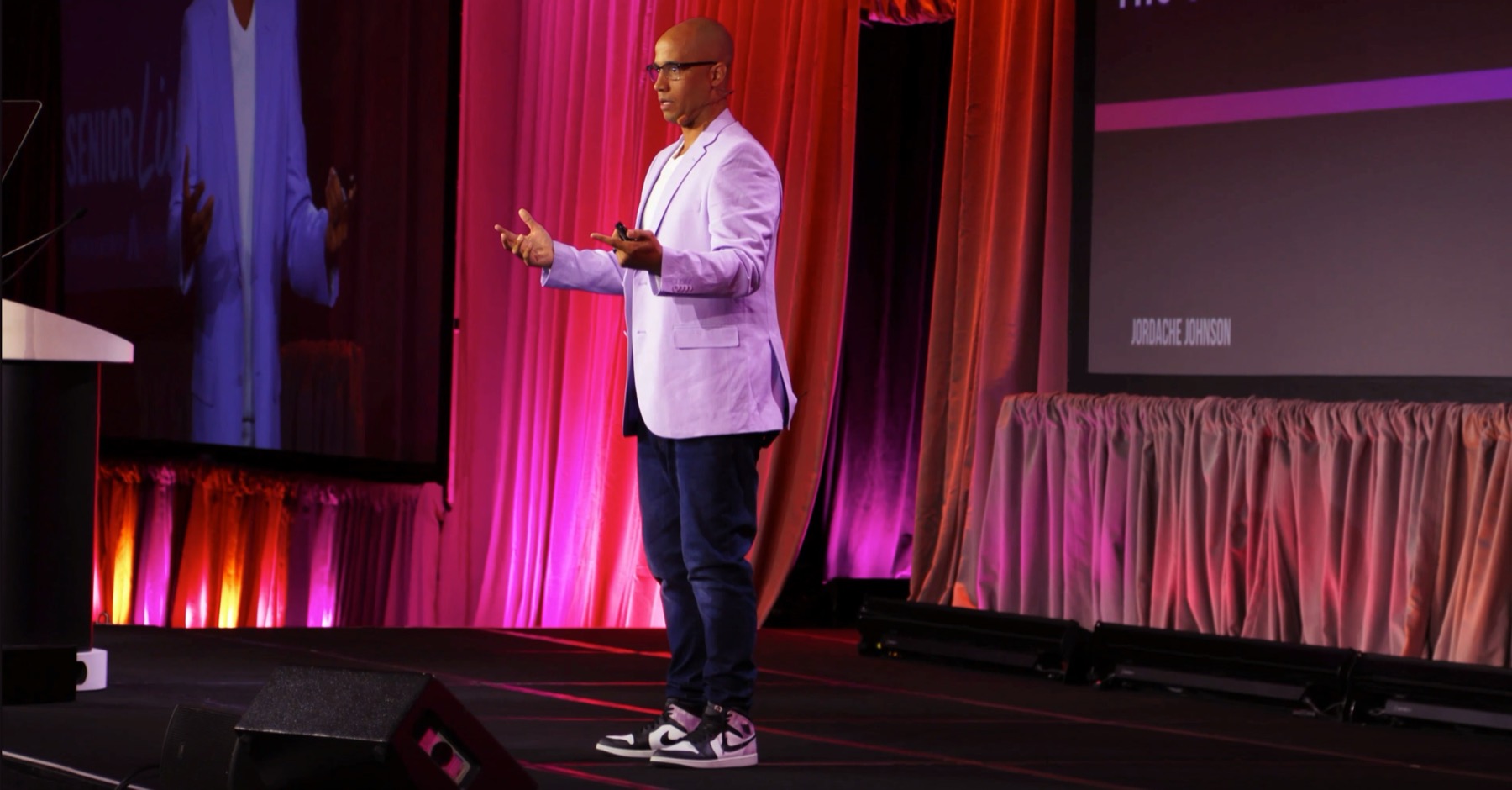
Four talks. Built for bank rooms.
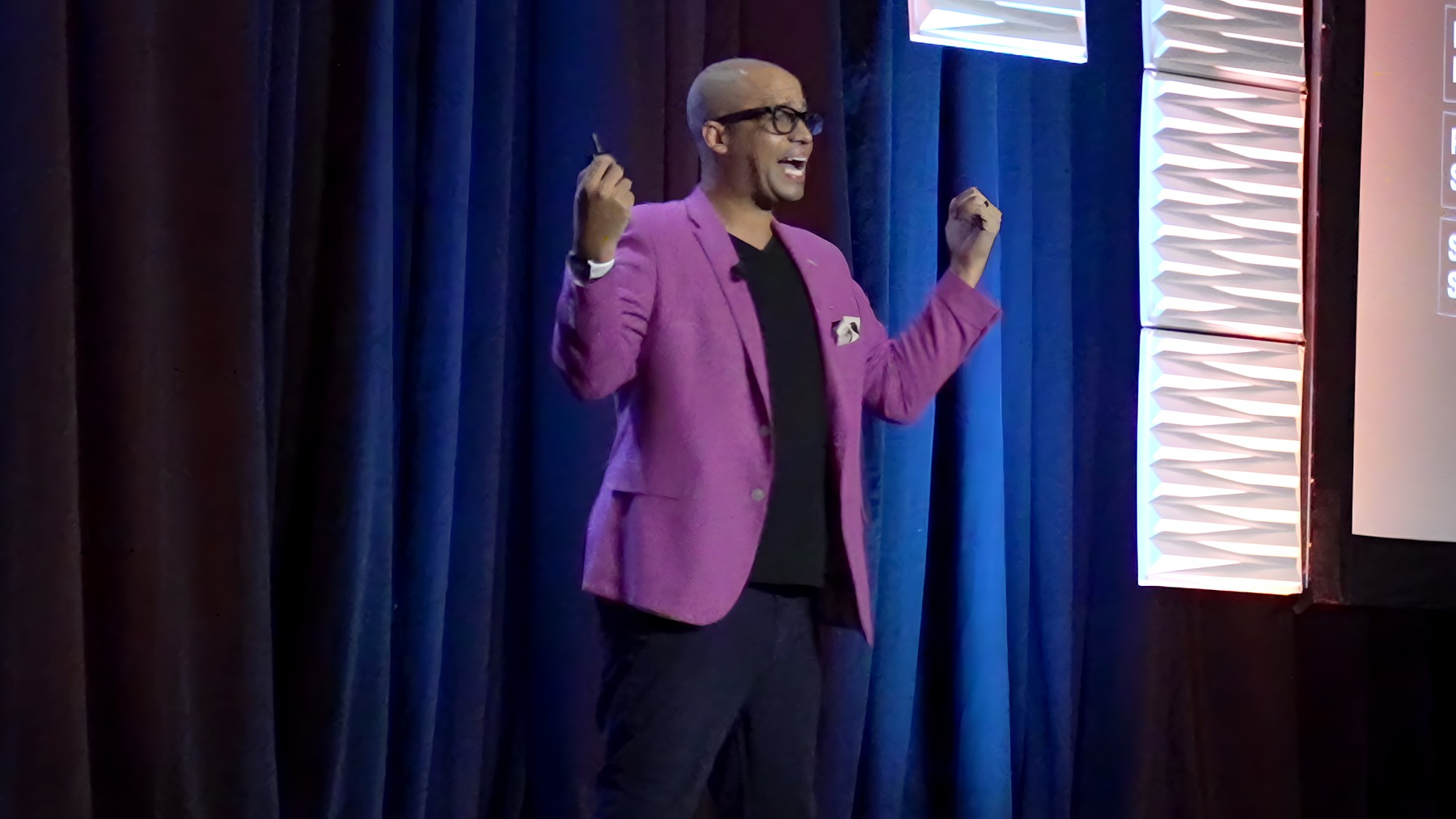
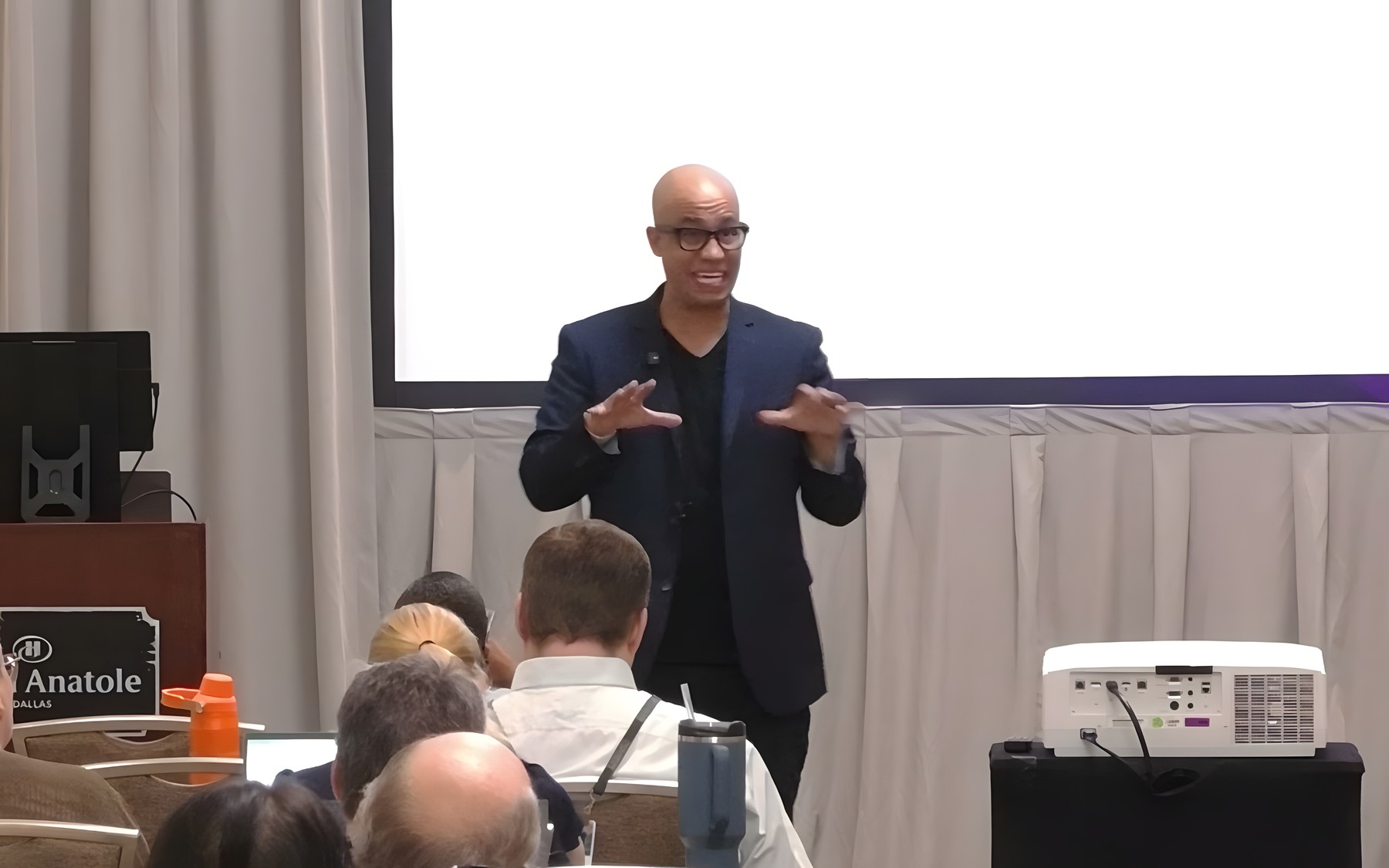
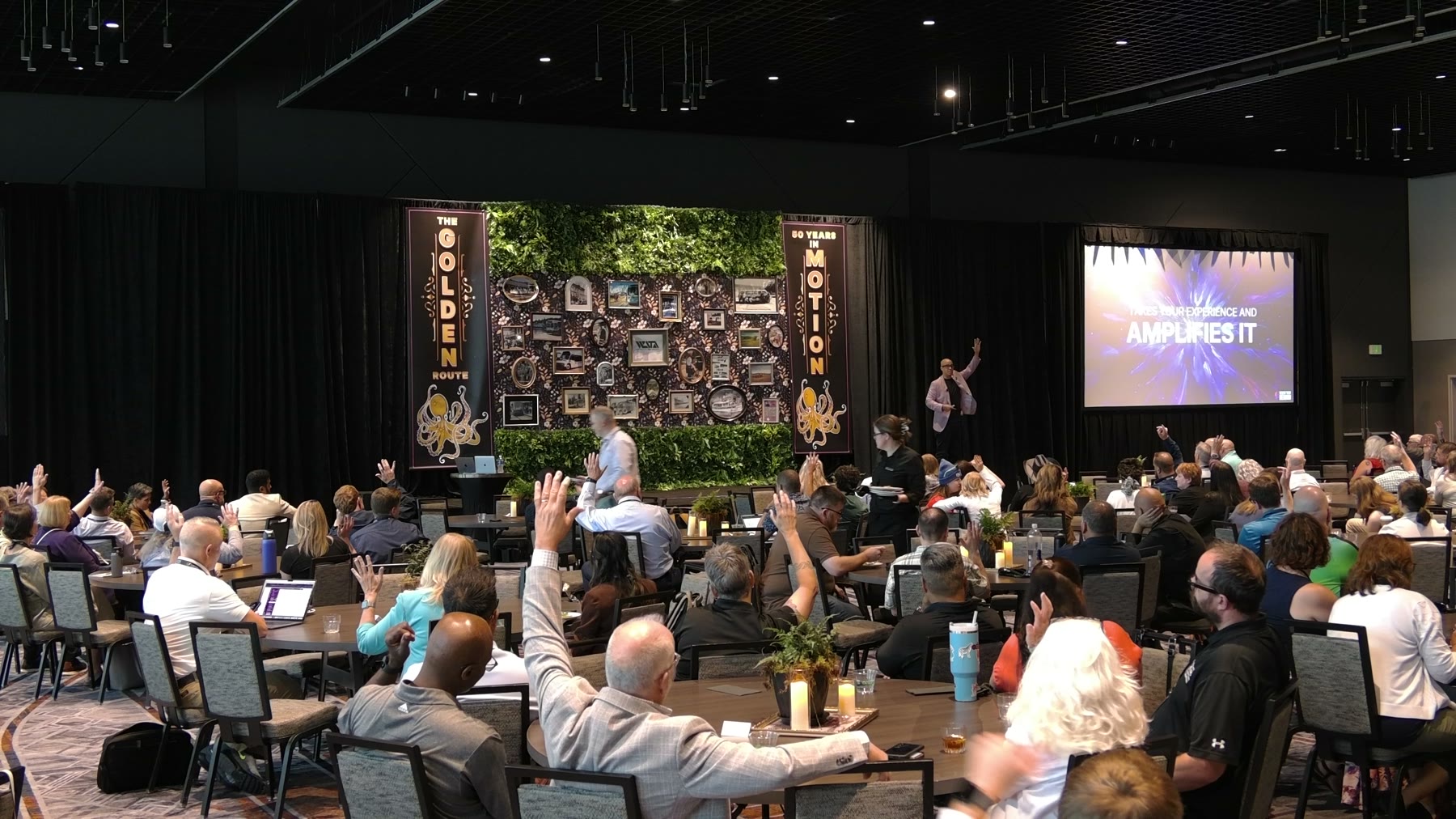
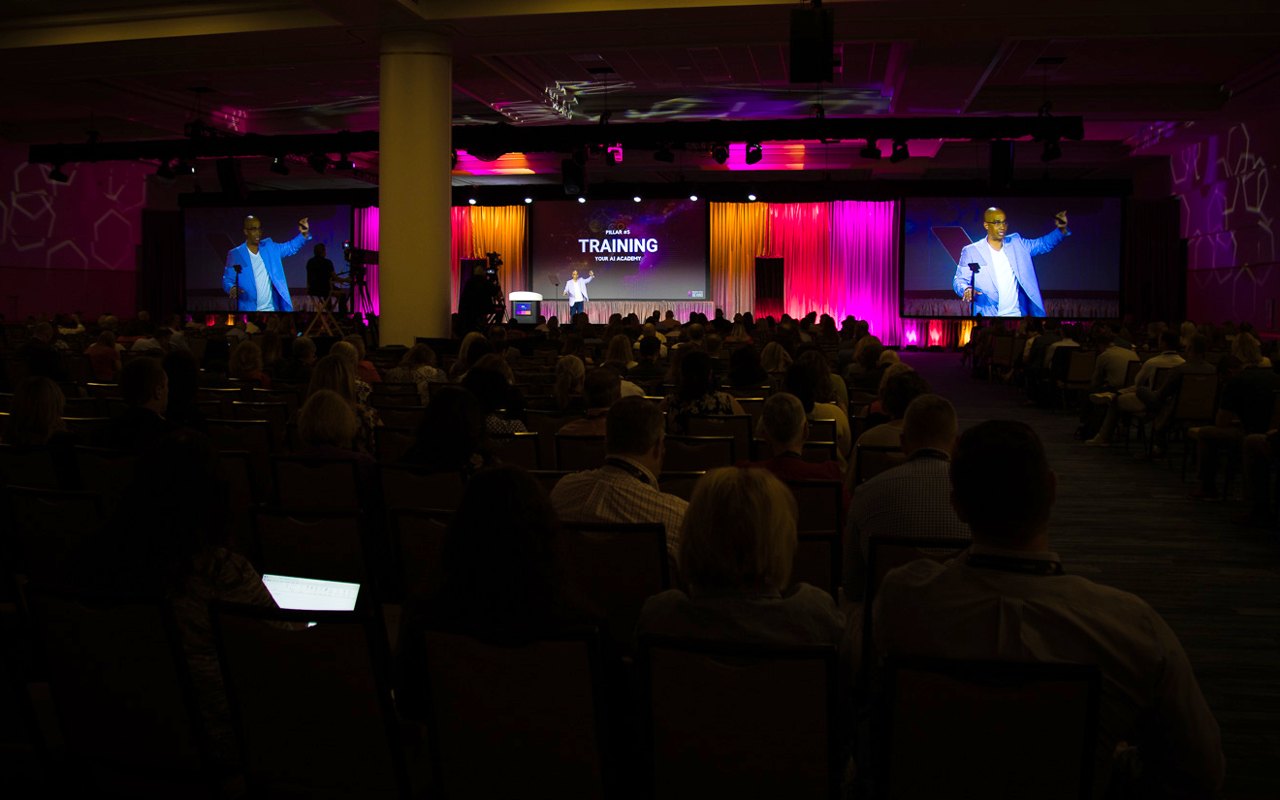
See Jordache in action
“You opened my eyes at the keynote. I was blown away at your breakout session. Literally blown away.”
What banks are facing.
Banks are protecting their margins while fraud gets smarter.
- 88%
Margin pressure
In the 2025 CSBS survey of 268 community banks, net interest margins were the top external risk, named by 88%.
Source: CSBS, 2025
- 22,000+
AI-linked fraud
The FBI logged more than 22,000 complaints that referenced AI in 2025, with over $893 million in reported losses. FinCEN has been warning banks about deepfake identity fraud since November 2024.
Source: FBI IC3 2025 report; FinCEN FIN-2024-Alert004
- 49%
AI already at work
Nearly half of banks say they’ve deployed generative AI. (Credit unions: 59%.)
Source: Cornerstone Advisors, 416 executives, February 2026
- 18%
Customers still want a person
Only 18% of Americans would trust AI to make financial recommendations on its own.
Source: TD Bank survey, 2,504 adults, February 2026
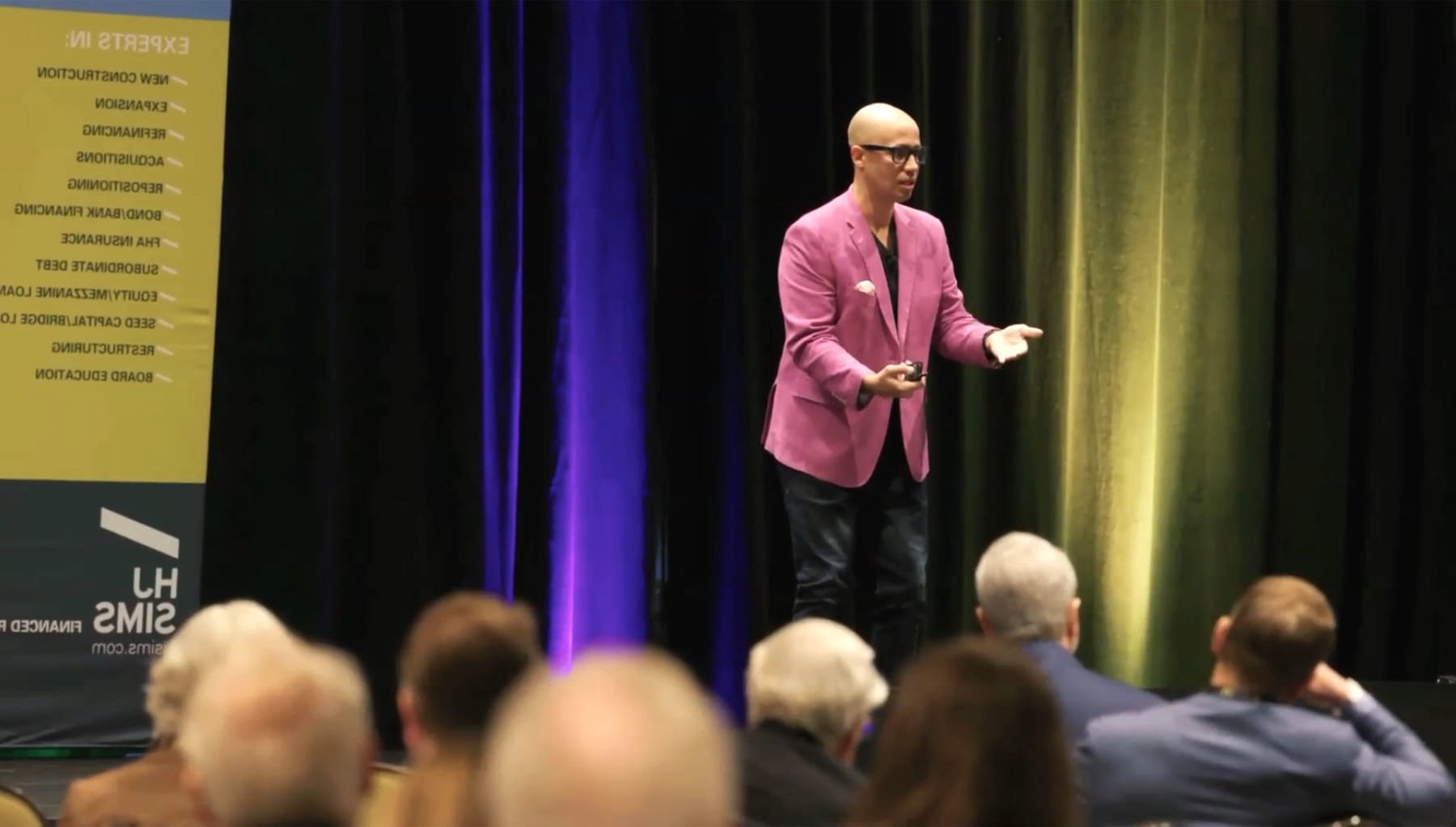
How Jordache sees it
Community banks sell trust, so AI has to give bankers more time for the relationship.
Most of that trust rests on knowing the customer. The tone on the call. The business owner who’s banked with you for years. AI can take the first pass on the paperwork so your people spend more time there. Bankers are also trained to ask whether the examiner will accept it. That’s a good instinct. When nobody has written down what’s allowed, the same question stops AI at the desk.
Seventy percent of bank leaders expect AI to have little impact on staffing over the next three years (IntraFi, 409 banks, April 2026). That means doing more with the same people. So the talks stay practical: a few uses your team can test, with approved tools, inside the rules your work already lives by.
These talks are for community and regional bank leaders, their teams and their boards.
Your room
- CEOs and presidents
- CFOs and COOs
- Chief credit, lending and risk officers
- BSA/AML and compliance officers
- CIOs and CISOs
- Commercial lenders and relationship managers
- Credit analysts
- Loan review and portfolio managers
- Branch and contact center leaders
- Marketing, HR and operations leaders
- Board directors
Your event
- State bankers association conventions
- CEO and director forums
- Compliance and BSA schools
- Lending and credit conferences
- Bank leadership retreats
- All-staff days
- Board education sessions
Formats
The rules in your world.
The AI rules banking already works within, in plain words. Jordache builds the talk with them in view. As of October 2026. General education from a non-lawyer, not legal advice or a substitute for the advice of an attorney. Confirm with your counsel.
Lending decisions
- If AI helps decline a loan, the bank still owes specific reasons. “You didn’t hit our score” doesn’t count (12 CFR 1002.9(b)(2)).
- The CFPB withdrew its AI adverse-action circulars on May 12, 2025. The rule underneath, Regulation B, still applies.
- The CFPB’s Regulation B change removing disparate impact took effect July 21, 2026, and NFHA v. CFPB challenges it. Briefing runs to January 12, 2027, with no ruling as of October 29, 2026. HUD has proposed dropping its FHA disparate impact regulation, but the Supreme Court’s 2015 holding that FHA disparate impact claims exist still stands. Illinois adds a state disparate impact standard for credit in 2027.
- Colorado’s new AI law reaches lending decisions about individuals from January 2027. A proper ECOA adverse action notice can cover its notice duty if it also meets Colorado’s content rules. Fraud, identity verification and AML tools are excluded. The attorney general’s enforcement is on hold under an April 2026 federal court order until after final rules and a court ruling. Still moving.
Governing AI tools and vendors
- In April 2026 the OCC, Fed, and FDIC replaced the old model risk guidance and said generative and agentic AI are outside it. The guidance says your own risk management should govern those tools.
- The new guidance is aimed at banks over $30 billion; the FDIC says it generally does not apply at or below $30 billion absent significant model risk. It’s non-binding.
- Any AI vendor that receives customer information is a service provider the bank chooses, contracts with and monitors (GLBA; Interagency Guidelines).
- In September 2026 the regulators proposed a rewrite of their third-party risk guidance, with comments due November 16, 2026 (91 FR 58536). The 2023 guidance stays in force until a final version replaces it.
- Credit unions: see Credit Unions.
Fraud and BSA
- FinCEN’s proposed AML rule says banks that responsibly experiment with new technology won’t face extra enforcement risk for that alone (FinCEN NPRM, 91 FR 18704, April 2026). It’s a proposal. No final rule as of October 2026.
Calls and texts to customers
- Under the FCC’s 2024 ruling, an AI-generated voice is an artificial voice under the TCPA, so those calls need consent (FCC 24-17).
- From November 25, 2026, a caller can limit opt-outs to one or more of three FCC-listed methods, if it says so clearly on each call or text. Otherwise any reasonable opt-out must be honored (FCC 26-67). This replaces the January 31, 2027 “revoke all” date.
If your institution uses third-party collectors or holds a New York charter
- For third-party collectors of consumer debt, AI dialers count toward the seven-calls-in-seven-days presumption for each debt. AI texts and emails need a clear, simple opt-out.
- New York’s DFS issued guidance in October 2024 on how its Part 500 cybersecurity rule applies to AI risks, including deepfake social engineering. It adds no new requirements.
Confidential by law
- Exam reports and supervisory letters are confidential supervisory information. Sharing them, even with a vendor, is restricted (for Fed-supervised banks, 12 CFR 261.21).
- A SAR, and anything that would reveal one, is confidential (every bank: 31 CFR 1020.320(e)).
Recording and records
- Recording laws vary by state, and some require everyone in the conversation to agree. Treat an AI notetaker as recording.
- AI transcripts, summaries and prompts can come out in a lawsuit. Once a lawsuit is reasonably foreseeable, the relevant ones have to be preserved.
Related industries
Questions planners ask.
Who is a good AI keynote speaker for a banking conference?
Jordache Johnson builds his AI keynotes for community and regional banks. His talks show bank leaders and their teams how AI can give them more time for the customer relationship, and how to protect that relationship from deepfake fraud. He also flags the rules to take to your counsel, including specific reasons on declined loans and consent for AI voice calls.
What are practical AI uses for a community bank?
Common examples are internal tasks a person checks: summarizing public regulator guidance or a policy, and drafting a credit memo for an analyst to review. BSA teams use approved systems for first drafts of investigation narratives. A community banker in the 2025 CSBS report said of credit reviews: “AI could perform 80% to 90% of that work, leaving the credit analyst to review for accuracy and validity.”
If AI helps us decline a loan, what do we owe the applicant?
If AI helps decline a loan, the bank still owes specific reasons. “You didn’t hit our score” doesn’t count (12 CFR 1002.9(b)(2)). The CFPB withdrew its AI adverse-action circulars on May 12, 2025. The rule underneath, Regulation B, still applies. As of October 2026. General education, not a substitute for the advice of an attorney; confirm with your counsel.
Did the regulators say generative AI isn’t covered by model risk guidance?
Yes. In April 2026 the OCC, Fed, and FDIC replaced the old model risk guidance and said generative and agentic AI are outside it. The guidance says your own risk management should govern those tools. The new guidance is aimed at banks over $30 billion; the FDIC says it generally does not apply at or below $30 billion absent significant model risk. As of October 2026. General education, not a substitute for the advice of an attorney; confirm with your counsel.
How big is the AI fraud and deepfake problem for banks?
The FBI logged more than 22,000 complaints that referenced AI in 2025, with over $893 million in reported losses (IC3 2025 report). FinCEN has been warning banks about deepfake identity fraud since November 2024 (FIN-2024-Alert004). For a community bank, that means a familiar voice on the phone now needs a second check.
Can we use AI voice calls or texts for payment reminders and collections?
Under the FCC’s 2024 ruling, an AI-generated voice is an artificial voice under the TCPA, so those calls need consent (FCC 24-17). From November 25, 2026, a caller can limit opt-outs to one or more of three FCC-listed methods, if it says so clearly on each call or text. Otherwise any reasonable opt-out must be honored (FCC 26-67). As of October 2026. General education, not a substitute for the advice of an attorney; confirm with your counsel.
Will AI replace tellers or credit analysts?
Seventy percent of bank leaders expect AI to have little impact on staffing over the next three years (IntraFi, 409 banks, April 2026). The talks focus on what the same people do with that time, and how a junior analyst builds judgment if AI does the first pass.
Can the talk be customized, delivered virtually, or given to our board?
Yes. Jordache builds every talk around your audience’s roles and examples. It can run as a keynote, a hands-on workshop, or both, as a virtual session, or as a board education session.
What does it cost to book Jordache?
It depends on the format, the length and travel. Book a call and we’ll talk through your event.
Book Jordache for your state association convention, leadership retreat, all-staff day or board session.
For bank CEOs and board directors who want to use AI in their own work first: Executive AI Advisory