
AI keynote speaker forcredit union conferences
Practical AI for credit union leaders, the small teams doing the work, and the volunteers who govern them.

The short answer
Jordache Johnson is an AI keynote speaker for credit union conferences. He helps credit union leaders, teams and volunteer boards put AI to work on everyday tasks, like member calls and board packets, while the member relationship stays with people. His talks also flag the rules to take to your counsel, including NCUA’s view of AI and specific reasons on declined loans.
Updated October 2026.
Where AI fits in credit union work.
Five examples of where credit union teams put AI to work. There are many more, and the talk is built around yours. What AI handles, and what stays with your people.
Board packets and NCUA guidance
Summarizing NCUA’s public letters and guidance, searching your procedures, and first drafts of policies and board packets.
What the guidance means for your credit union, and the board’s decisions. Federal credit union boards are volunteers. Exam reports and CAMELS ratings can’t be shared without NCUA’s written permission, so they stay out.
Member calls and contact center notes
Call summaries, after-call notes, and suggested answers to routine questions for your member service reps.
The conversation, and the member who wants a person on the line. Recording laws vary by state, and some require everyone on the call to agree.
Scam training for frontline staff
First drafts of training material, and practice scripts for verifying a caller who sounds like a regular.
The instinct that something’s off, and asking a familiar member to verify without making them feel like a suspect. FinCEN has been warning about deepfake identity fraud since November 2024.
Member communications and education
First drafts of newsletters, campaign copy, and member classes on using AI safely and spotting AI scams.
The voice of a credit union that knows its members, and the final read before anything goes out.
Payment reminders and member follow-up
Drafting payment reminders and follow-up letters.
The conversation with a member who’s having a hard time, and what you can offer them. Since 2024 the FCC treats an AI-generated voice as an artificial voice. Those calls need consent.
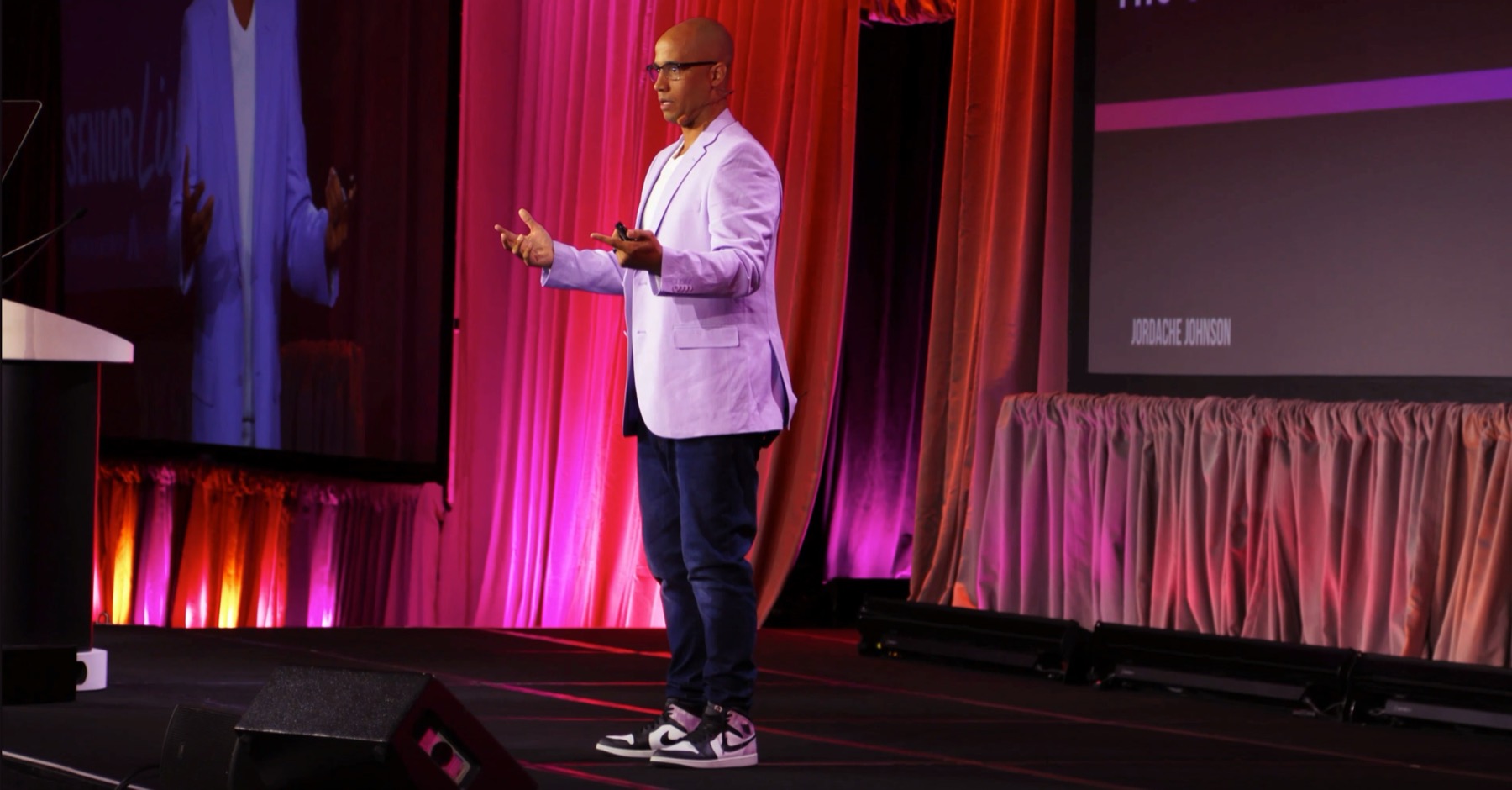
Four talks. Built for credit union rooms.
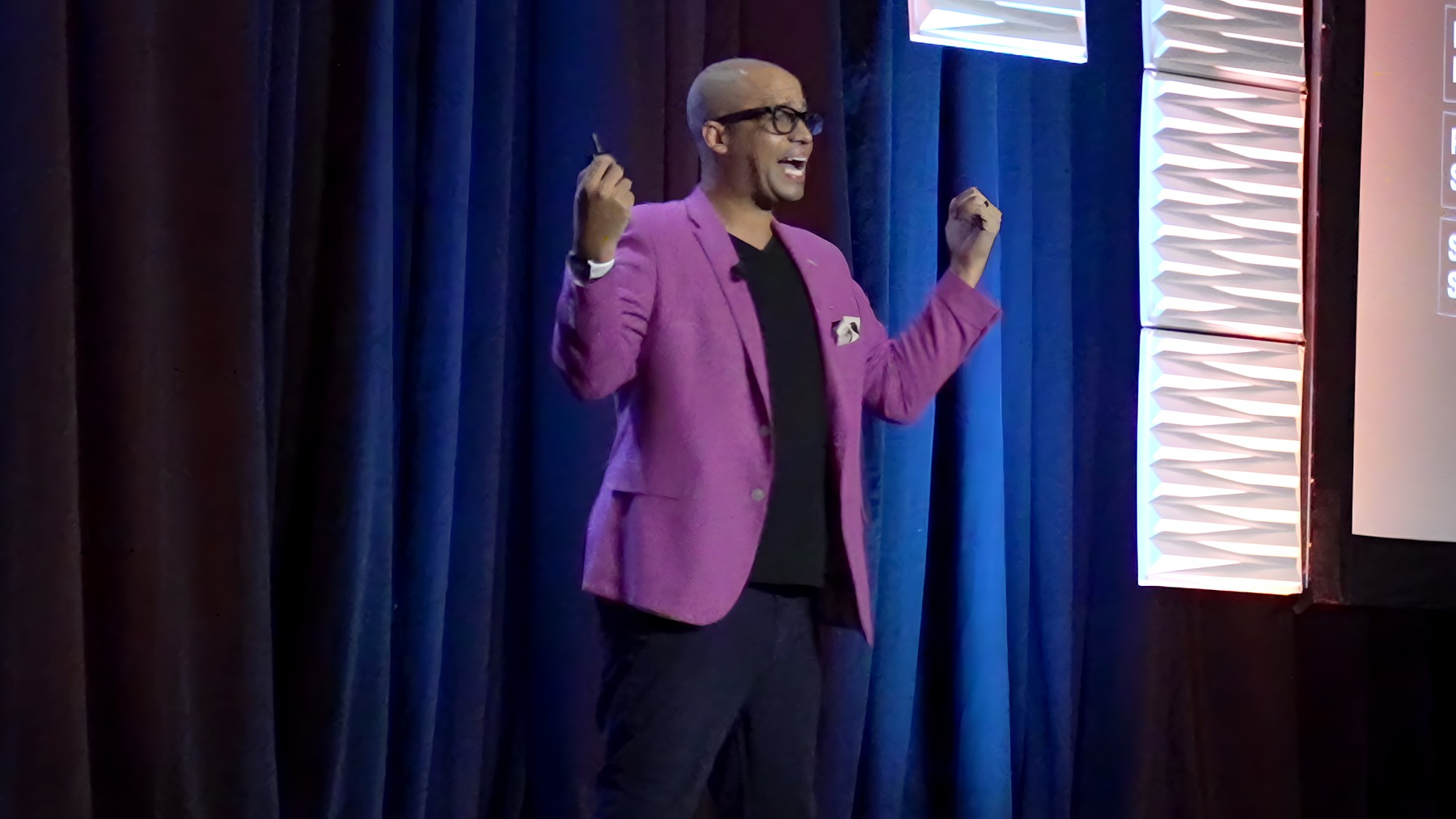
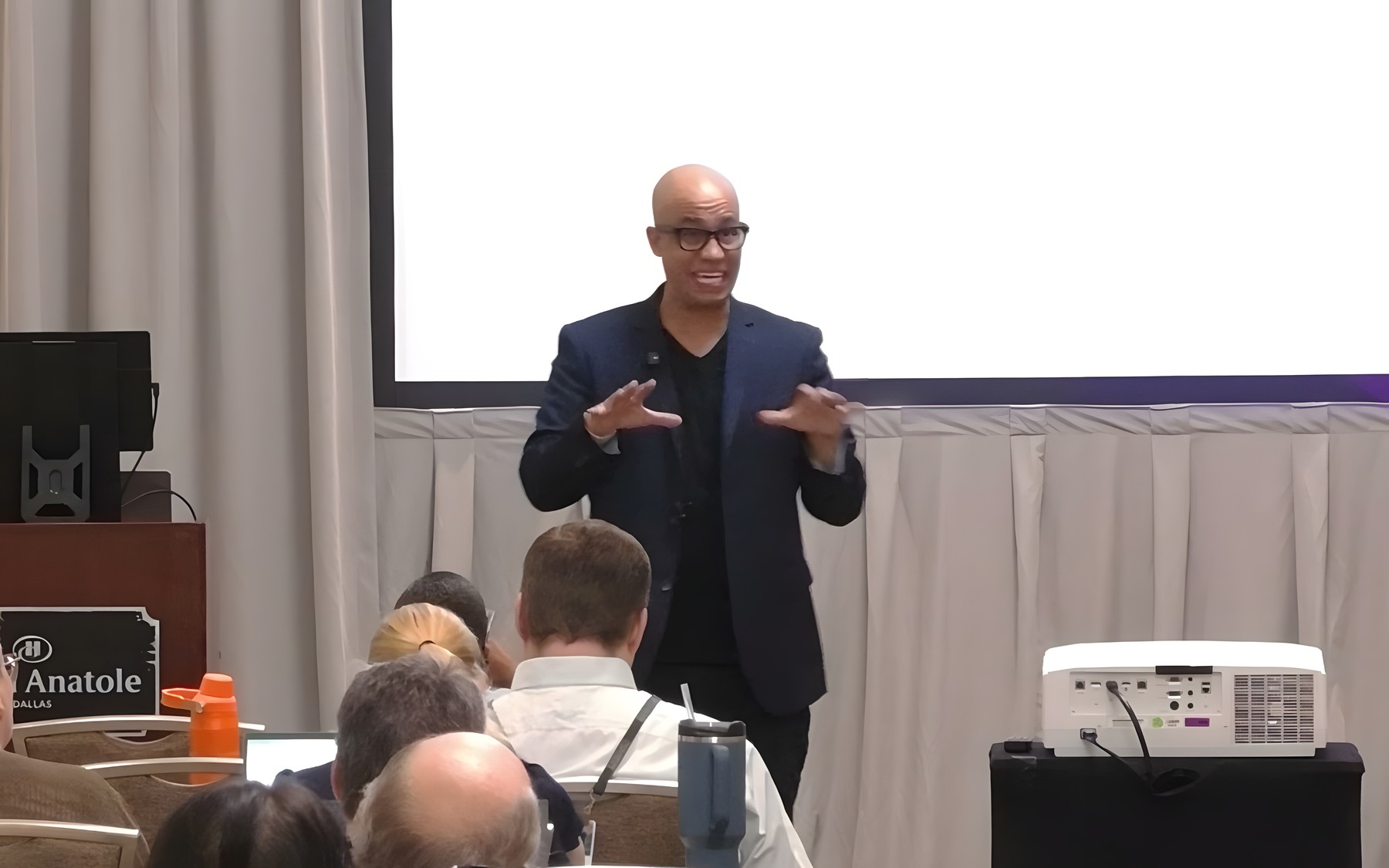
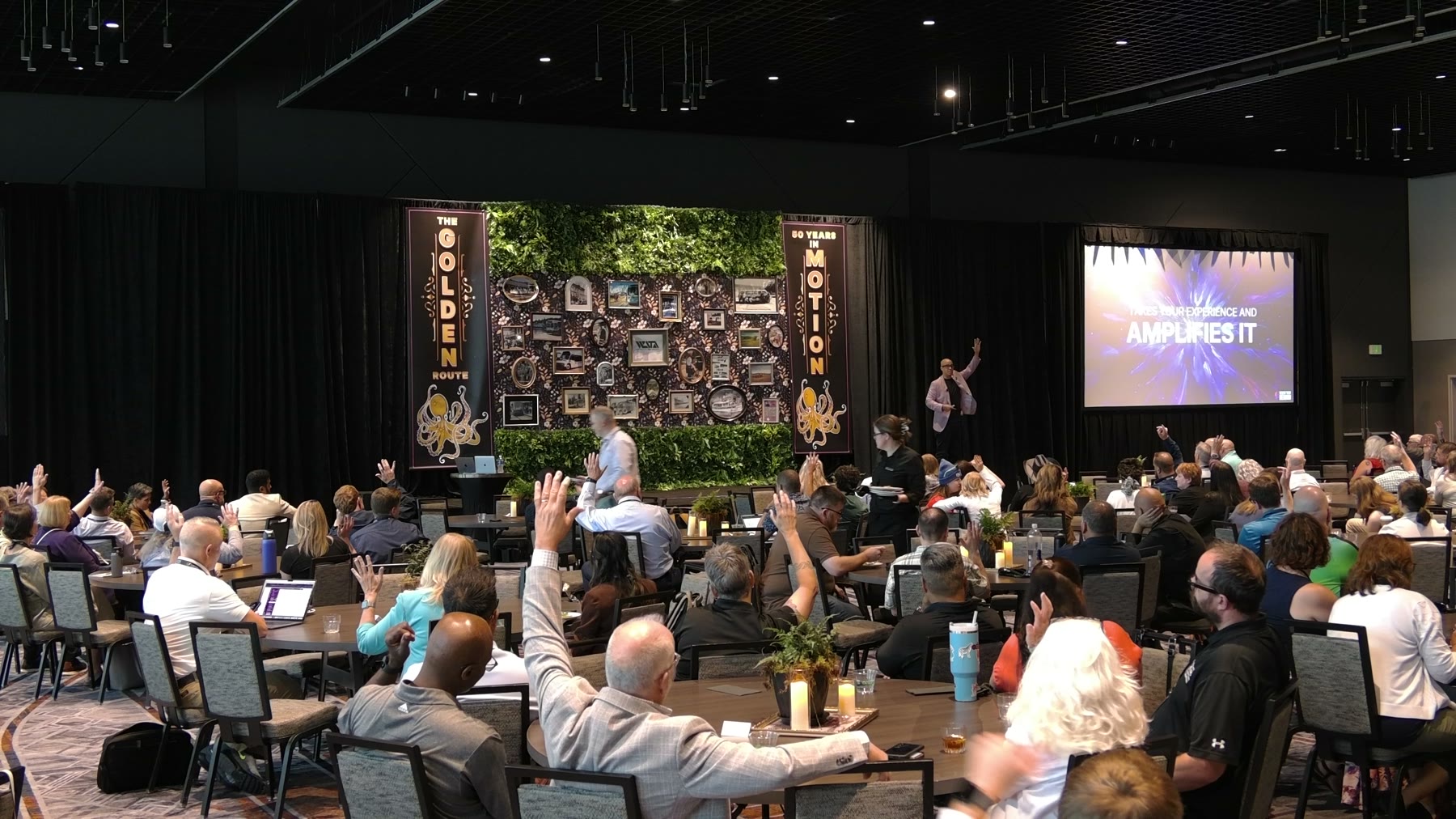
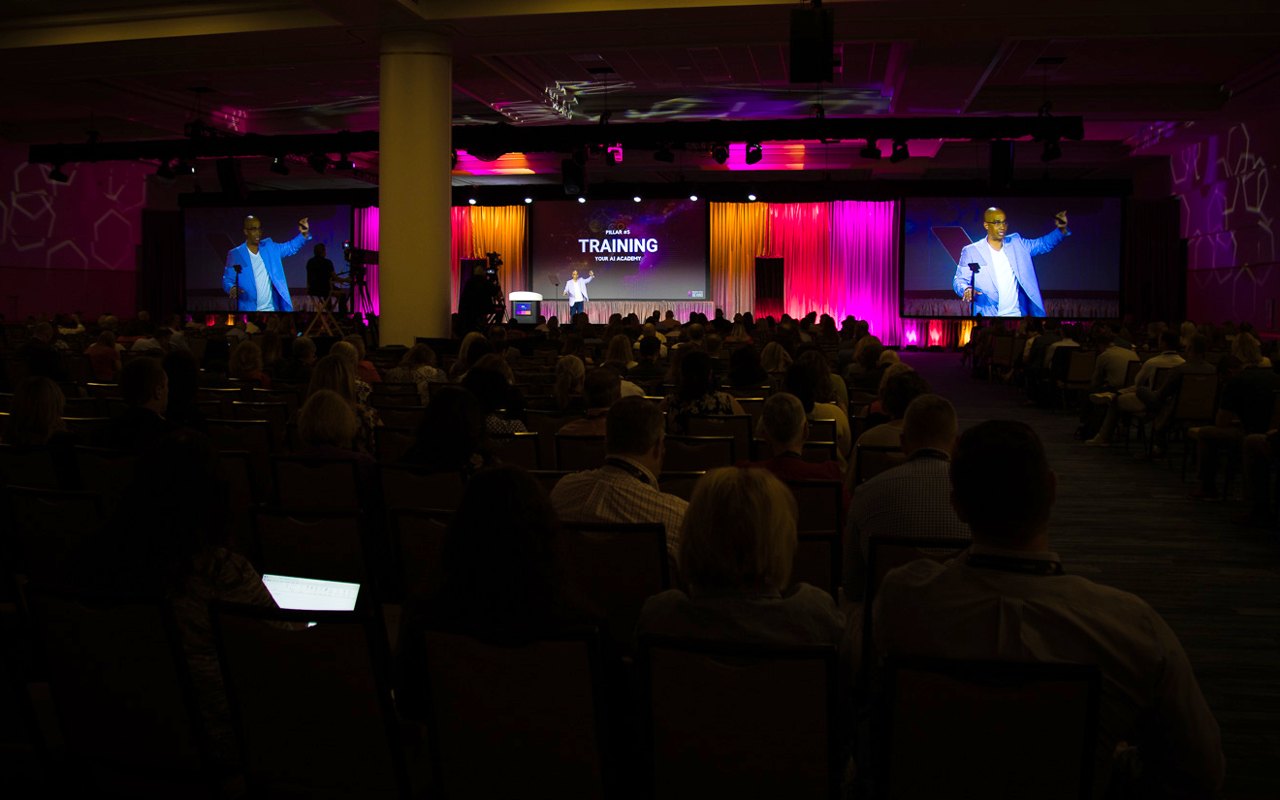
See Jordache in action
“Jordache, your presentation was energetic and highly informative. It gave me a new and positive view of AI and I look forward to using it more in the future!”
What credit unions are facing.
Small teams face more mergers and smarter fraud. The talk starts from the pressure your room already feels.
- $68million
Small by design
Half of credit unions hold less than $68 million in assets, and more than half hold less than $100 million.
Source: NCUA Quarterly Credit Union Data Summary, Q2 2026
- 158
Consolidation
NCUA approved 158 credit union mergers in 2025. More than seven in ten of the credit unions that merged had less than $50 million in assets.
Source: NCUA Merger Activity and Insurance Reports, 2025
- 588
Cyber incidents
Credit unions reported 588 cyber incidents to NCUA between May 2025 and April 2026. NCUA on attackers: “Emerging agentic AI capabilities further reduce the need for human intervention.”
Source: NCUA 2026 Cybersecurity and Credit Union System Resilience Report
- 88
The people advantage
Members rate credit union staff courtesy 88 out of 100, the highest-rated part of the credit union experience. Overall, banks lead credit unions 80 to 78, for the seventh year running.
Source: ACSI Finance Study 2026
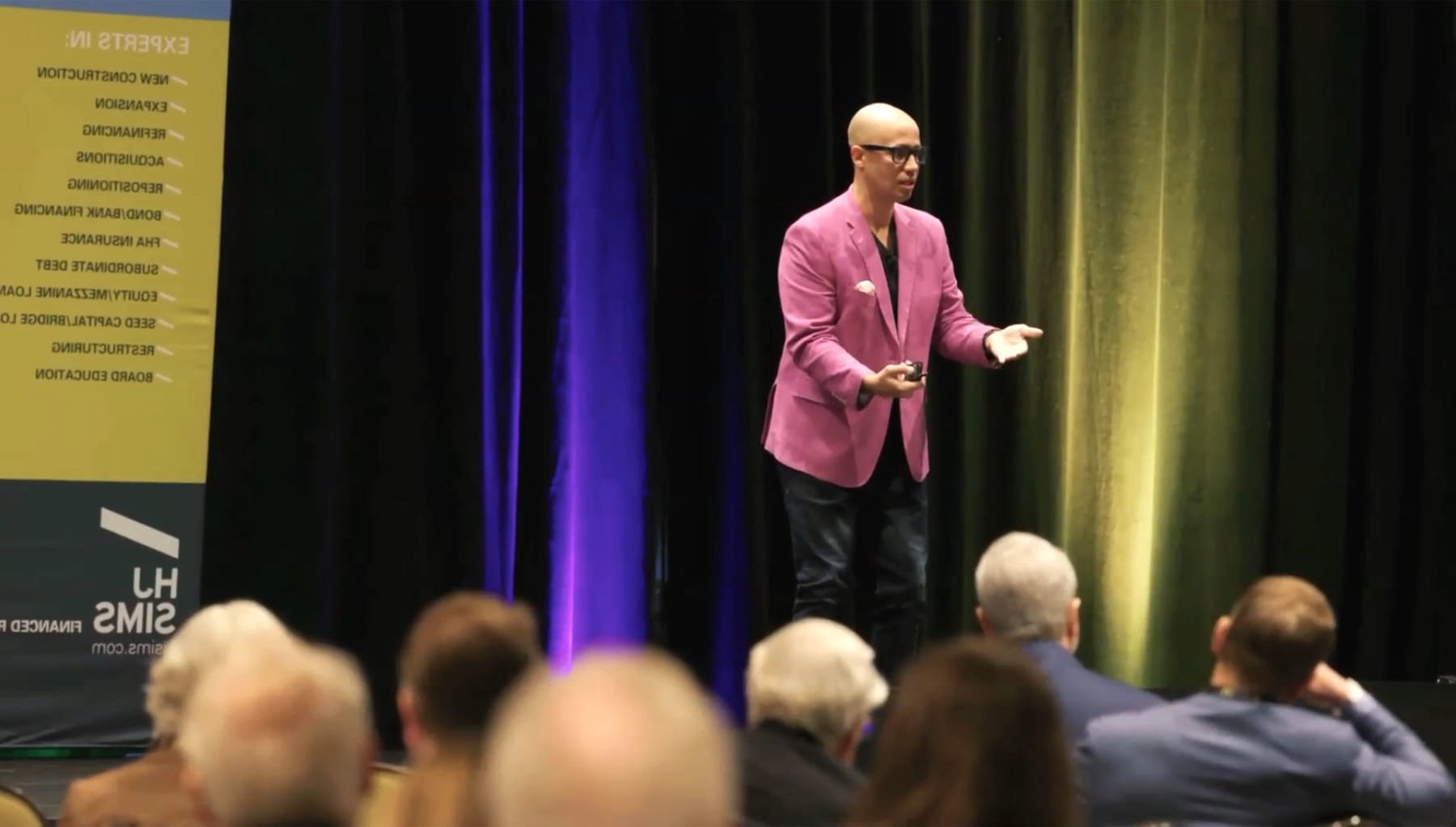
How Jordache sees it
Credit unions run on people who know their members by name and voice. The test for AI is whether those people get more time with members.
Your people are the advantage, and members say so when they rate your staff. AI can take the call notes, the board packet and the first draft of the member letter, so a small team gets hours back for the conversations members value most. That same closeness is now a target. A cloned voice can sound like a regular, and asking a familiar member to verify can feel like an insult. That’s a culture question as much as a process one, and it starts with how leaders talk about it.
About a third of credit union CEOs are expected to retire within five years (CUES 2026 Compensation Survey, 300+ credit unions, reported October 2026). Succession, mergers and AI are landing on the same board agenda. So the talks stay practical: a few uses your team can test, inside the rules your credit union already works by.
Credit union leaders, their teams, and the volunteers who govern them.
Your room
- CEOs and presidents
- CFOs and COOs
- Chief lending and risk officers
- Chief member experience officers
- CIOs and CISOs
- Compliance and BSA officers
- Member service and contact center leaders
- Member service reps and tellers
- Branch managers
- Lenders and collectors
- Underwriters and loss mitigation staff
- Marketing and member education teams
- Board directors
- Supervisory committee members
At a small credit union, one person often wears several of these hats.
Your event
- League annual conventions
- Regional, chapter and peer-group meetings
- Director and supervisory committee conferences
- CEO forums
- CUSO network events
- Board retreats and strategic planning
- All-staff days
Formats
The rules in your world.
The AI rules credit unions already work within, in plain words. Jordache builds the talk with them in view. As of October 2026. General education from a non-lawyer, not legal advice or a substitute for the advice of an attorney. Confirm with your counsel.
How NCUA looks at AI
- NCUA says it hasn’t issued AI-specific rules. Its supervisory focus is risk management, whatever the tool.
- NCUA can’t examine the technology vendors credit unions rely on. GAO has urged Congress to change that since 2015.
- As of October 2026, NCUA is run by a one-member board: Chairman John Crews, sworn in August 2026. That could change.
Boards and succession
- Federal credit union boards are volunteers. Only one board officer may be paid.
- Since January 1, 2026, credit union boards must keep a written succession plan for directors and key managers, and review it at least every 24 months.
Member data and cyber incidents
- If a substantial cyber incident hits a credit union or its vendor, NCUA must hear about it within 72 hours.
Lending decisions
- If AI helps decline a member’s loan, the credit union still owes specific reasons. “You didn’t hit our score” doesn’t count.
- Colorado’s new AI law reaches lending decisions about individuals from January 2027, with no exemption for banks or credit unions. The state’s rules for it aren’t final yet, and the attorney general’s enforcement is on hold under an April 2026 federal court order until after final rules and a court ruling.
- Starting in 2027, Illinois law treats lending criteria with an unjustified discriminatory effect as a civil rights violation, and that law covers credit unions.
Fraud and member transfers
- FinCEN has been warning about deepfake identity fraud since November 2024.
- When a scammer tricks a member into sharing login details or codes and then moves the money, the CFPB treats that as an unauthorized transfer under Regulation E. Which side a given scam falls on depends on the facts.
Calls and texts to members
- Since 2024 the FCC treats an AI-generated voice as an artificial voice. Those calls need consent.
- From November 25, 2026, a credit union can treat a “stop” on one type of informational message as applying only to that type. It can also limit opt-outs to one or more of three FCC-listed methods, if it says so clearly on each call or text. Otherwise any reasonable opt-out must be honored (FCC 26-67).
Confidential by law
- NCUA exam reports stay NCUA’s property, and they can’t be shared without its written authorization (12 CFR 792.31).
Recording and records
- Recording laws vary by state, and some require everyone in the conversation to agree. Treat an AI notetaker as recording.
- AI transcripts, summaries and prompts can come out in a lawsuit. Once a lawsuit is reasonably foreseeable, the relevant ones have to be preserved.
Related industries
Questions planners ask.
Who is a good AI keynote speaker for a credit union conference?
Jordache Johnson’s keynotes help credit union leaders, their teams and volunteer boards put AI to work on everyday tasks, like member calls, board packets and member education, while the member relationship stays with people. He also flags the rules to take to your counsel, including NCUA’s view of AI and specific reasons on declined loans.
What are practical AI uses for a credit union our size this year?
Common examples are tasks a person checks: summarizing NCUA’s public guidance for the board, first drafts of policies and board packets, call summaries for member service reps, training material for frontline staff, and member newsletters and classes on spotting AI scams. The decisions, and the member relationship, stay with people.
Does NCUA have AI rules? What will our examiner ask about?
NCUA says it hasn’t issued AI-specific rules. Its supervisory focus is risk management, whatever the tool. NCUA can’t examine the technology vendors credit unions rely on, and GAO has urged Congress to change that since 2015. So your own due diligence on an AI vendor is the check. As of October 2026. General education, not a substitute for the advice of an attorney; confirm with your counsel.
If AI helps us deny a loan, what do we owe the member?
If AI helps decline a member’s loan, the credit union still owes specific reasons. “You didn’t hit our score” doesn’t count. Two state laws also reach lending: Colorado’s AI law applies to lending decisions about individuals from January 2027, with no exemption for credit unions. Its rules aren’t final yet, and the attorney general’s enforcement is on hold under an April 2026 federal court order until after final rules and a court ruling. Starting in 2027, Illinois treats lending criteria with an unjustified discriminatory effect as a civil rights violation, and that law covers credit unions. As of October 2026. General education, not a substitute for the advice of an attorney; confirm with your counsel.
How do we stop deepfake calls and impersonation scams without treating every member like a suspect?
FinCEN has been warning about deepfake identity fraud since November 2024. On attackers, NCUA says: “Emerging agentic AI capabilities further reduce the need for human intervention.” The talk treats it as a culture question as much as a process one: a familiar voice asking to move money gets a second check, and staff learn to ask without making the member feel accused. If a scammer tricks a member into sharing login details or codes and then moves the money, the CFPB treats that as an unauthorized transfer under Regulation E. Which side a given scam falls on depends on the facts. As of October 2026. General education, not a substitute for the advice of an attorney; confirm with your counsel.
What should a volunteer board know about AI?
Federal credit union boards are volunteers, and only one board officer may be paid. NCUA hasn’t issued AI-specific rules, so the board’s questions are the usual ones about risk, vendors and member data. The same board now keeps a written succession plan and reviews it at least every 24 months. A board session can give directors a plain-words view of what staff are doing with AI, and what to ask. As of October 2026. General education, not a substitute for the advice of an attorney; confirm with your counsel.
What does it cost to book Jordache?
It depends on the format, the length and travel. Book a call and we’ll talk through your event.
Book Jordache for your league convention, chapter meeting, board retreat or all-staff day.
For credit union CEOs, board chairs and supervisory committee chairs who want to use AI in their own work first: Executive AI Advisory