
AI keynote speaker forhealthcare conferences
Practical AI for healthcare leaders, clinicians and their teams, built around giving clinicians time back for patients.

The short answer
Jordache Johnson is an AI keynote speaker for healthcare conferences and leadership events. His talks show health system leaders, clinicians and their teams where AI can take on the paperwork around care while the clinical decisions stay with people. They also cover the rules that apply, including business associate agreements and state AI disclosure laws.
Updated October 2026.
Where AI fits in hospital and health system work.
Five examples of where hospital and health system teams put AI to work. There are many more, and the talk is built around yours. What AI handles, and what stays with your people.
Research and guideline summaries
Summarizing research and guidelines.
The clinical judgment, and the check against the source.
Visit notes
Drafting visit notes from the conversation.
The note’s accuracy, and the signature on it. Identifiable patient information generally goes into an outside AI tool only under a signed business associate agreement. Check that it covers that product and tier. Health systems now face lawsuits alleging AI scribes recorded patients without consent.
Patient portal messages
Draft replies to patient portal messages.
The clinical answer, and the relationship with the patient. In California, a generative AI message about a patient’s clinical information needs a disclaimer unless a licensed clinician reviewed it.
Discharge instructions and patient education
First drafts of discharge instructions and patient education materials.
What this patient needs to hear, and the conversation at the bedside.
Appeals and prior authorization
First drafts of appeal letters and prior authorization submissions.
The clinical case, and the call on which denials to appeal.

Four talks. Built for hospital and health system rooms.
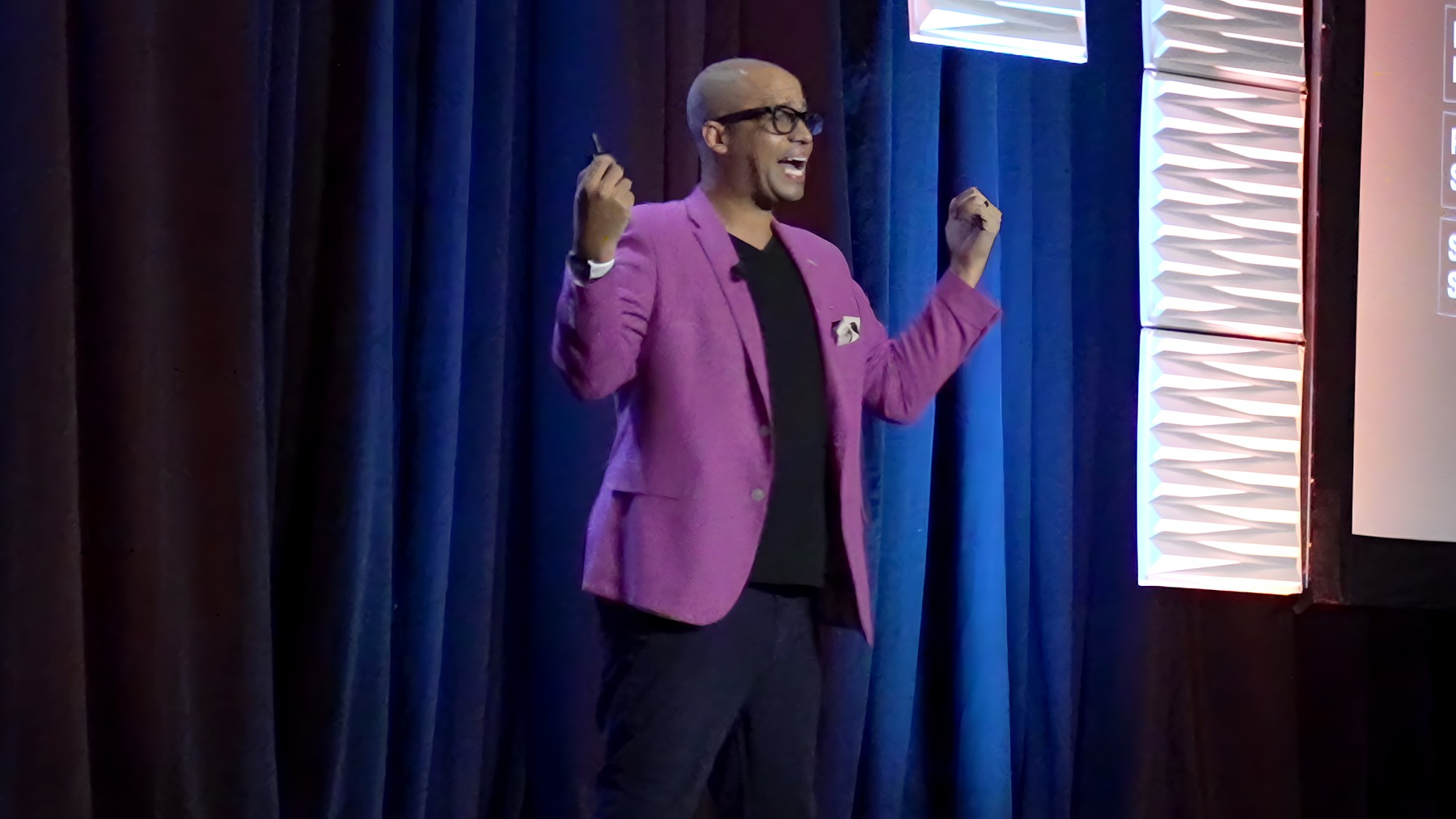
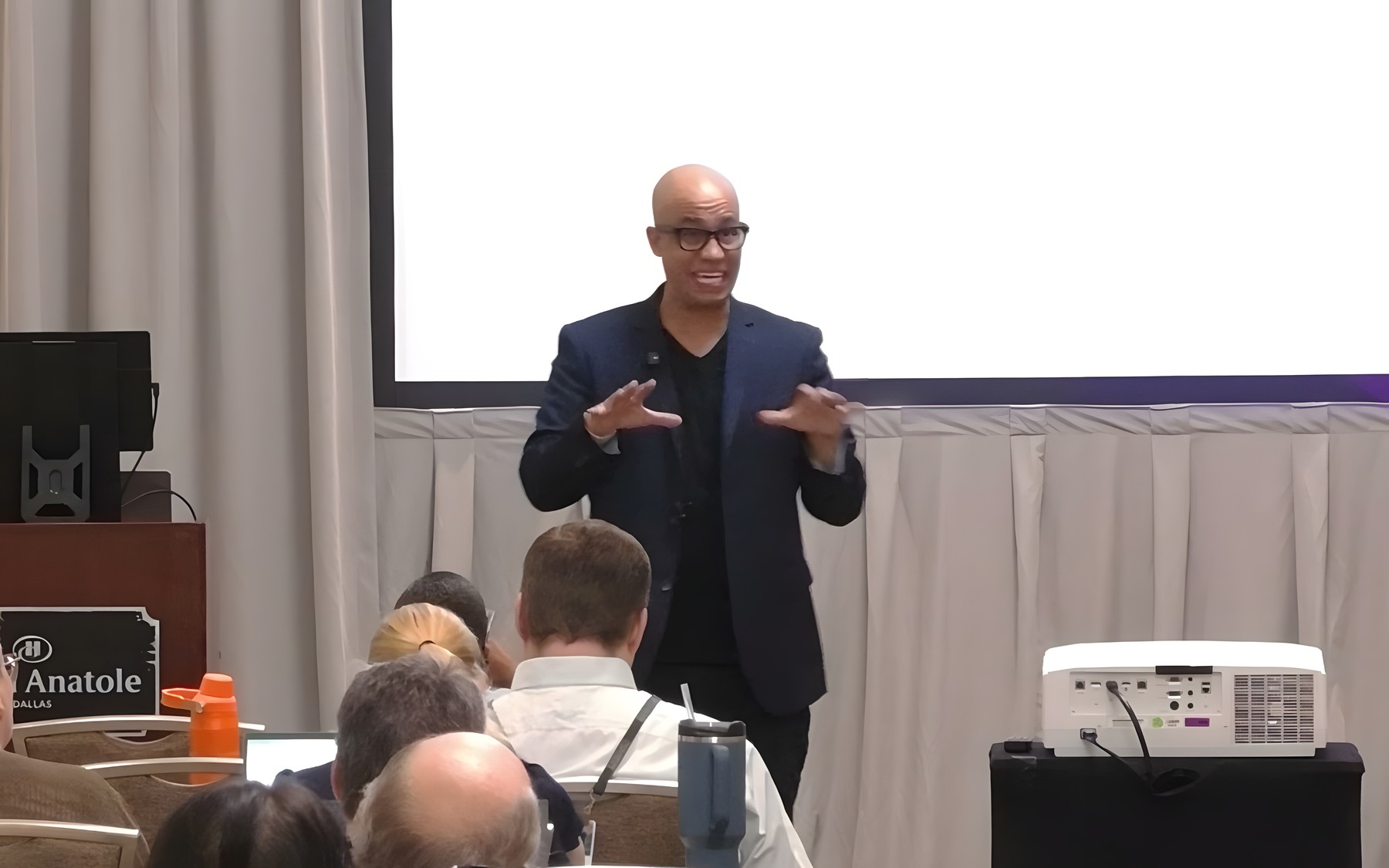


See Jordache in action
“You opened my eyes at the keynote. I was blown away at your breakout session. Literally blown away.”
What hospitals and health systems are facing.
Hospital costs are outrunning prices, and nurse turnover is climbing again.
- 7.5%
Costs
Hospital expenses grew 7.5% in 2025, more than twice the growth in hospital prices. Hospitals spent $43 billion in 2025 trying to collect payment for care they’d already delivered.
Source: AHA Costs of Caring 2026; AHA
- 17.6%
Nurse turnover
Hospital RN turnover rose to 17.6% in 2025, the first increase after three straight years of decline, and each RN who leaves costs about $60,000.
Source: NSI 2026, 527 hospitals
- 41.9%
Burnout
41.9% of physicians reported at least one burnout symptom in 2025, down from 48.2% in 2023. Better, and still about four in ten.
Source: AMA, about 19,000 physicians in 106 health systems
- 4in 5
AI already in hand
Four in five physicians now use AI in their work, more than double 2023.
Source: AMA, March 2026
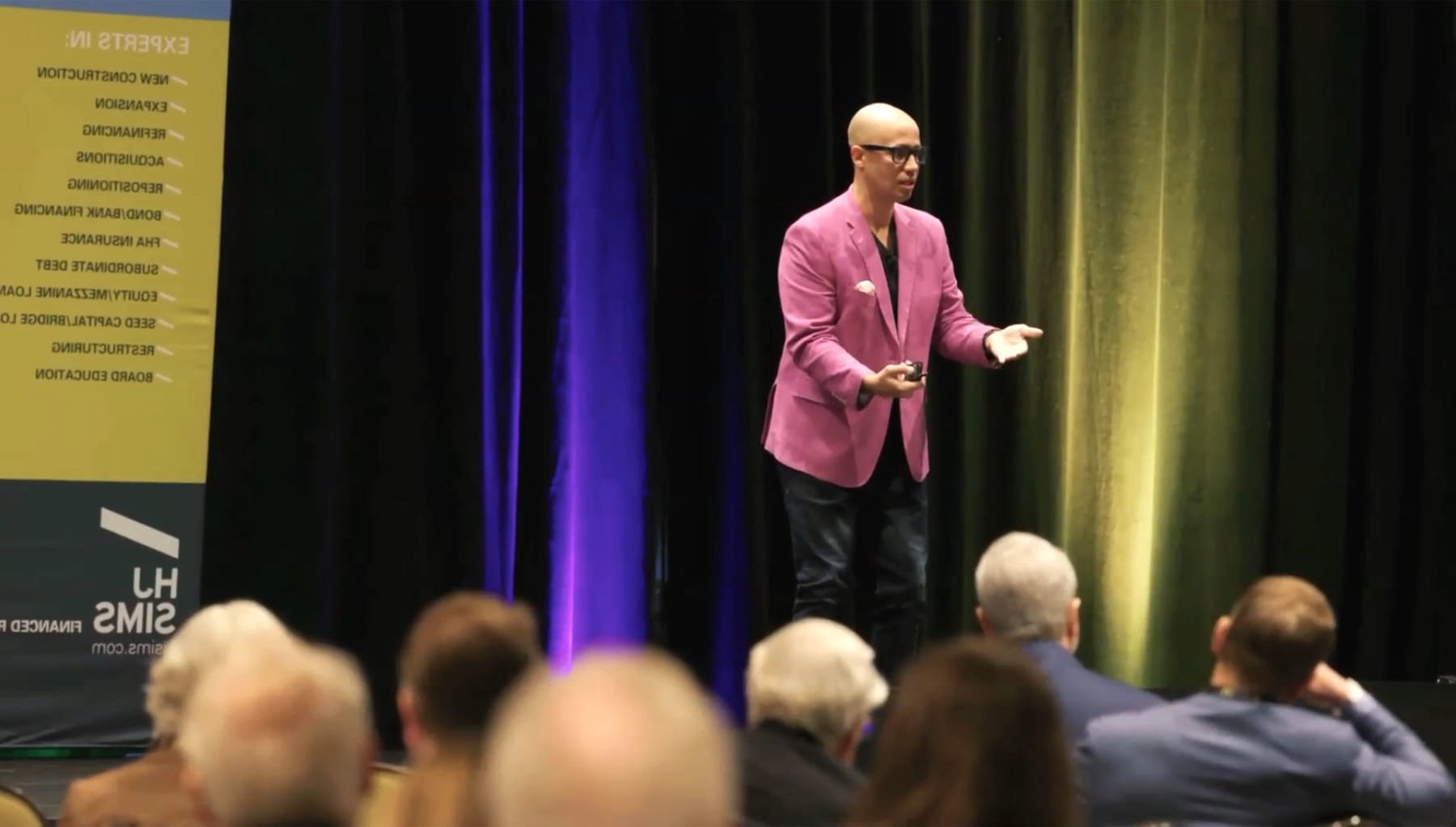
How Jordache sees it
In healthcare, AI should give clinicians time back for patients and leave the decisions with them.
Patients draw the same line clinicians do. Sixty percent of Americans are uncomfortable with their own doctor using AI for diagnoses and treatment. Majorities are open to AI on tasks like taking notes or reading scans if a human does the final review. On making a diagnosis, 47% are. Only 16% have a great deal or quite a bit of confidence in hospital leadership to use AI in patients’ best interest (Pew, survey June 2026).
The evidence on AI scribes is real and modest. In randomized trials, one AI scribe cut note time by about 10%, both showed promising burnout signals, and clinicians still caught occasional significant errors (NEJM AI, November 2025). So the talks start with one small use, measured against your own baseline, with a clinician reviewing the output.
Health system leaders, physician and nurse leaders, and the clinicians and teams who do the work.
Your room
- CEOs
- COOs
- CFOs
- CMOs
- CNOs
- CIOs and CMIOs
- Revenue cycle leaders
- Quality leaders
- Nursing operations leaders
- Clinical informatics leaders
- Medical directors
- Department chairs
- Nurse managers
- Charge nurses
- Physicians
- Nurses
- Trustees
Your event
- State hospital association conferences
- Healthcare executive and finance chapter events
- Health IT chapter events
- Medical group association meetings
- System leadership retreats
- Board retreats
- Nurse leadership conferences
- Medical staff meetings
- Physician leadership academies
- Revenue cycle conferences
Formats
The rules in your world.
The AI rules healthcare already works within, in plain words. Jordache builds the talk with them in view. As of October 2026. General education from a non-lawyer, not legal advice or a substitute for the advice of an attorney. Confirm with your counsel.
Patient data and bias
- If you’re a HIPAA covered entity or its vendor, identifiable patient information generally goes into an outside AI tool only under a signed business associate agreement (45 CFR 164.502(e)). Check that it covers that product and tier. De-identified data is treated differently.
- Federal civil rights rules require hospitals that take federal funds to make reasonable efforts to find clinical decision tools that use race, sex, age, disability or similar factors, and to reduce the risk of discrimination (45 CFR 92.210).
Payers
- Medicare Advantage plans can use algorithms to assist, but a decision has to rest on the patient in front of them, and a physician or other qualified professional reviews denials (CMS FAQ, February 2024).
State disclosure and AI scribe laws (check where you practice)
- In California, a generative AI message about a patient’s clinical information needs a disclaimer unless a licensed clinician reviewed it. Starting January 1, 2027, California also requires facilities, clinics and physician practices to take reasonable steps so licensed clinicians keep independent judgment when AI informs care (HSC 1339.75; AB 1979, BPC 22758.5).
- Texas requires practitioners who use AI for diagnosis to review the AI’s records and tell patients, and requires providers to disclose AI used in care (HSC 183.005; BCC 552.051(f)).
- Maine now requires patient consent before mental health professionals use ambient listening, and Rhode Island requires providers to tell patients when AI documents a visit (Maine LD 2082; R.I. Gen. Laws ch. 23-106).
Recording and records
- Recording laws vary by state, and some require everyone in the conversation to agree. Treat an AI notetaker as recording.
- AI transcripts, summaries and prompts can come out in a lawsuit. Once a lawsuit is reasonably foreseeable, the relevant ones have to be preserved.
Related industries
Questions planners ask.
Who is a good AI keynote speaker for a healthcare conference?
Jordache Johnson’s talks show healthcare leaders, clinicians and their teams where AI can take on the paperwork around care while clinicians keep the decisions. His talks also flag the rules to take to your counsel, including business associate agreements, bias duties for clinical decision tools, payer algorithms and state AI disclosure laws.
What are practical AI uses for hospitals and health systems?
Common examples are the tasks around care: draft visit notes for the clinician to review, draft replies to patient portal messages, appeal letters and prior authorization submissions, and summaries of research and guidelines. A clinician checks the output and makes the call.
Can we put patient information into an AI tool?
If you’re a HIPAA covered entity or its vendor, identifiable patient information generally goes into an outside AI tool only under a signed business associate agreement (45 CFR 164.502(e)). Check that it covers that product and tier. De-identified data is treated differently. As of October 2026. General education, not a substitute for the advice of an attorney; confirm with your counsel.
Do we have to tell patients when we use AI?
It depends on the state. In California, a generative AI message about a patient’s clinical information needs a disclaimer unless a licensed clinician reviewed it (HSC 1339.75). Texas requires practitioners who use AI for diagnosis to review the AI’s records and tell patients, and requires providers to disclose AI used in care (HSC 183.005; BCC 552.051(f)). For AI scribes, Maine requires patient consent before mental health professionals use ambient listening, and Rhode Island requires providers to tell patients when AI documents a visit (Maine LD 2082; R.I. Gen. Laws ch. 23-106). Elsewhere, start with recording-consent law, then check your state’s other rules. As of October 2026. General education, not a substitute for the advice of an attorney; confirm with your counsel.
Can the talk be customized, delivered virtually, or followed by a workshop?
Yes. Jordache builds every talk around your audience’s roles and examples. It can run in person or virtually as a keynote, a hands-on workshop, or both. Add the workshop when your leaders and teams want to try AI on their own work.
What does it cost to book Jordache?
It depends on the format, the length and travel. Book a call and we’ll talk through your event.
Book Jordache for your conference, system retreat, medical staff meeting or board retreat.
For health system CEOs, CMOs and CNOs who want to use AI in their own work first: Executive AI Advisory