
AI keynote speaker forsenior living conferences
Practical AI for leaders and care teams in communities filling up and running short of people.
The short answer
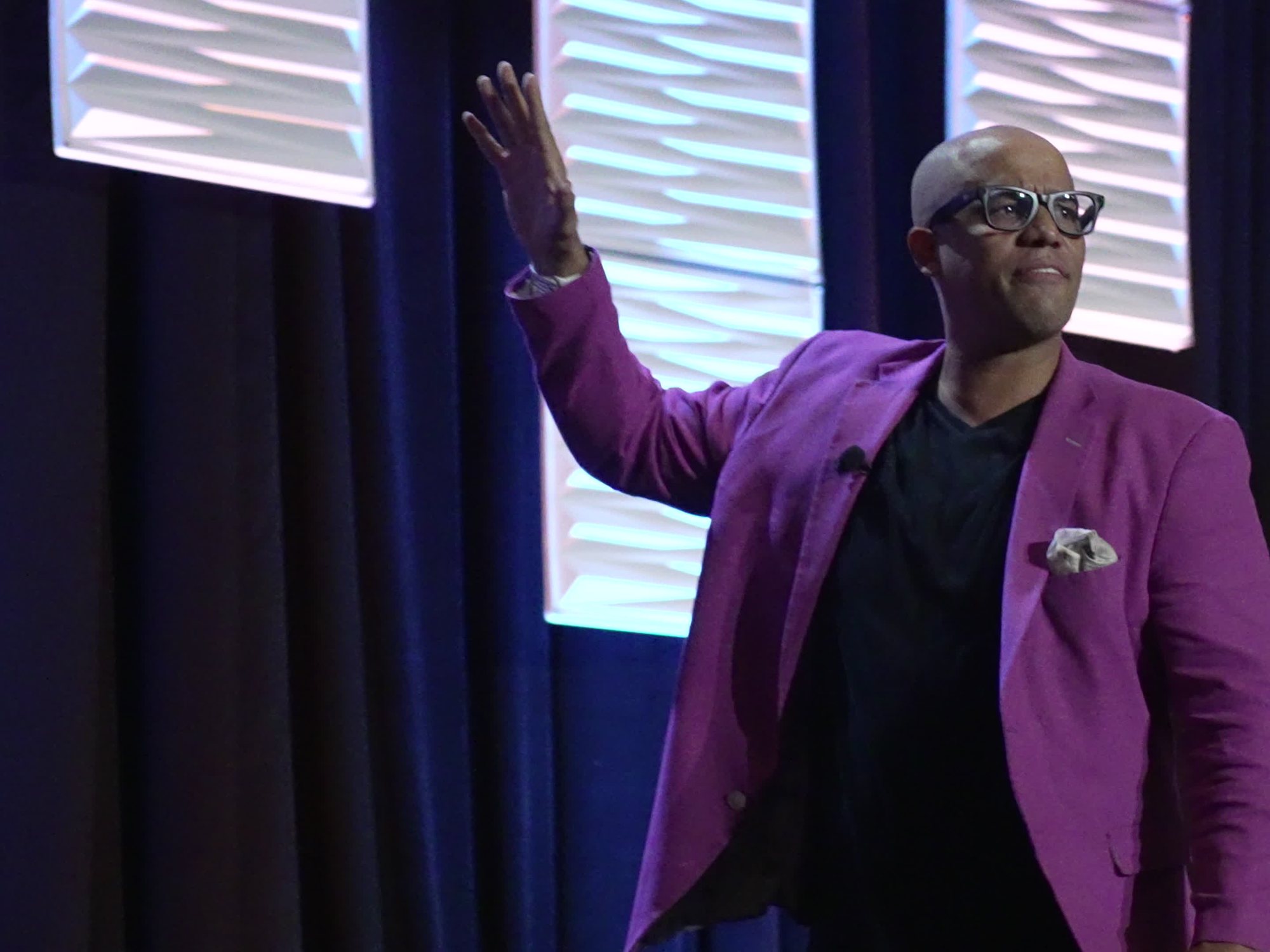
Jordache Johnson is an AI keynote speaker for senior living conferences. He helps operators, community leaders and care teams use AI to give time back to the people who care for residents, and to tell residents and families where it’s used. His talks also flag the rules, including AI-drafted care notes and camera consent.
Updated October 2026.
Where AI fits in senior living work.
Five examples of where senior living teams put AI to work. There are many more, and the talk is built around yours. What AI handles, and what stays with your people.
Sales follow-up
Drafting lead responses and follow-ups, and summarizing calls.
The conversations with prospective residents and their families. Recording laws vary by state, and some require everyone on the call to agree.
Shift summaries and care notes
Drafting shift summaries, care-plan notes, and clinical review summaries for directors of nursing.
Judgment about a resident. In skilled nursing, AI-drafted care notes are still the medical record.
Family updates
First drafts of family updates.
The relationship with the family, and telling them when AI is involved.
Onboarding and training
First drafts of onboarding and training content.
The hands-on training, and the mentoring new staff need on a stretched team.
Policy drafting
First drafts of policies.
The final wording, and the decisions behind it.
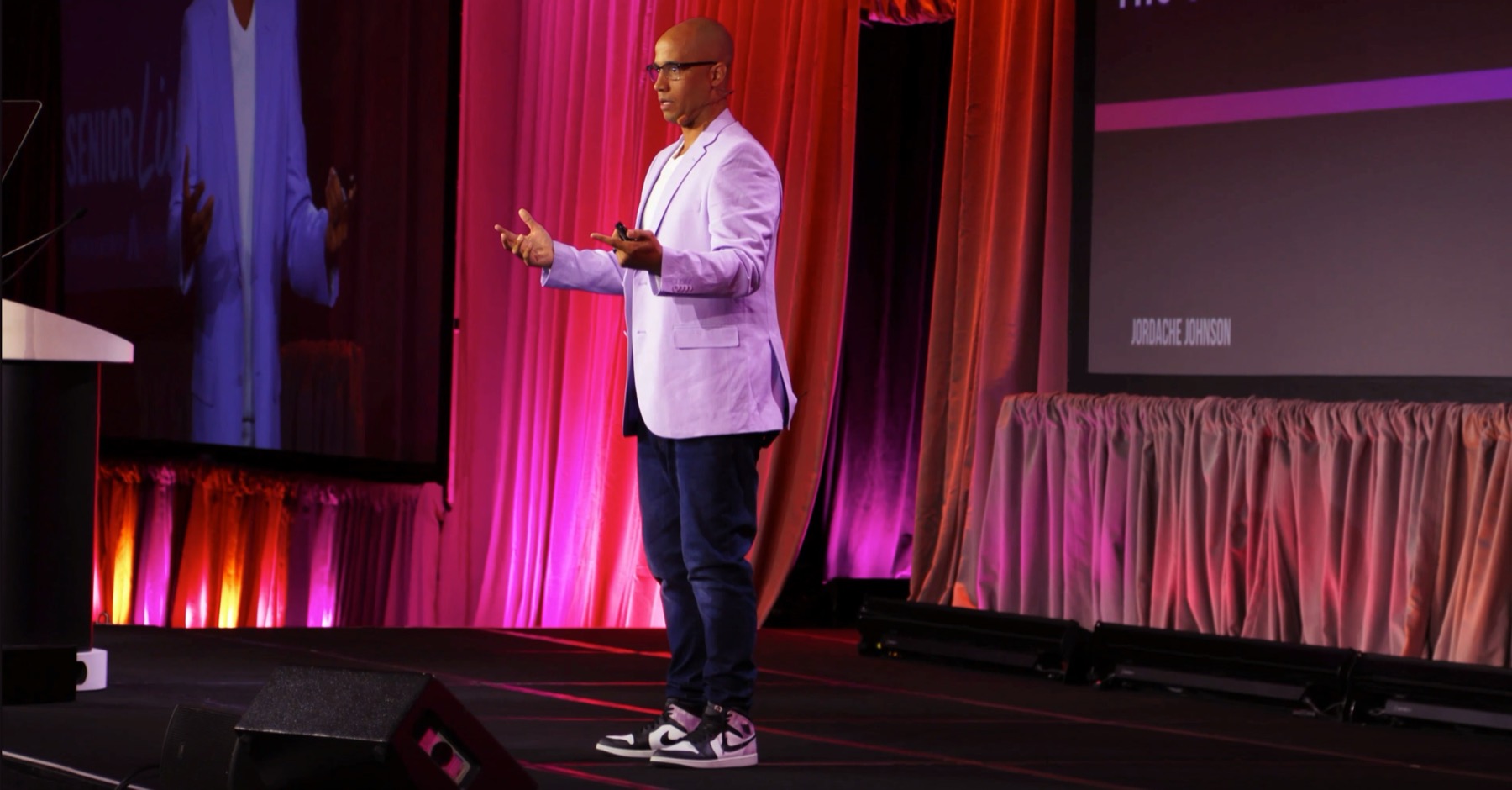
Four talks. Built for senior living rooms.
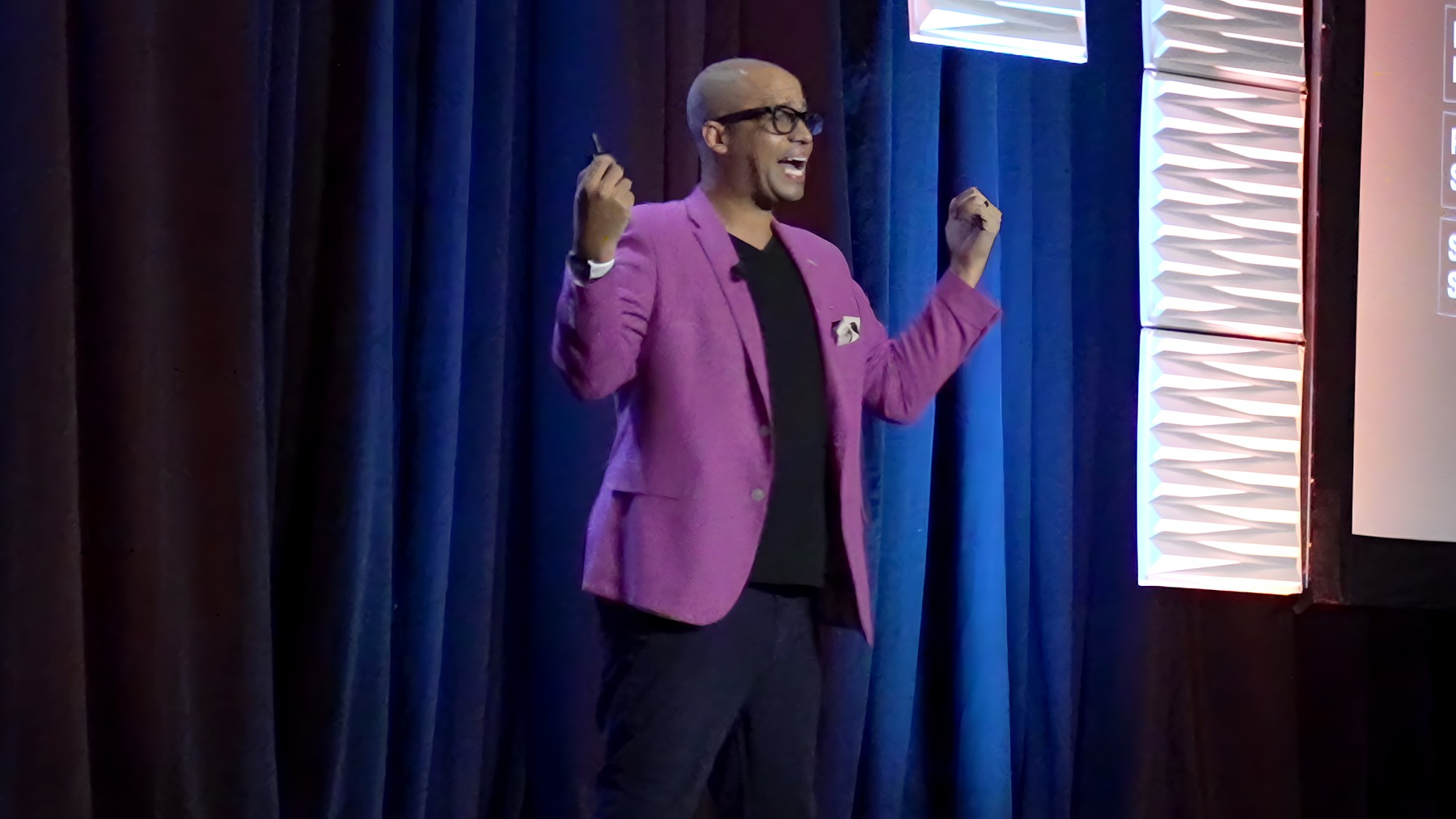
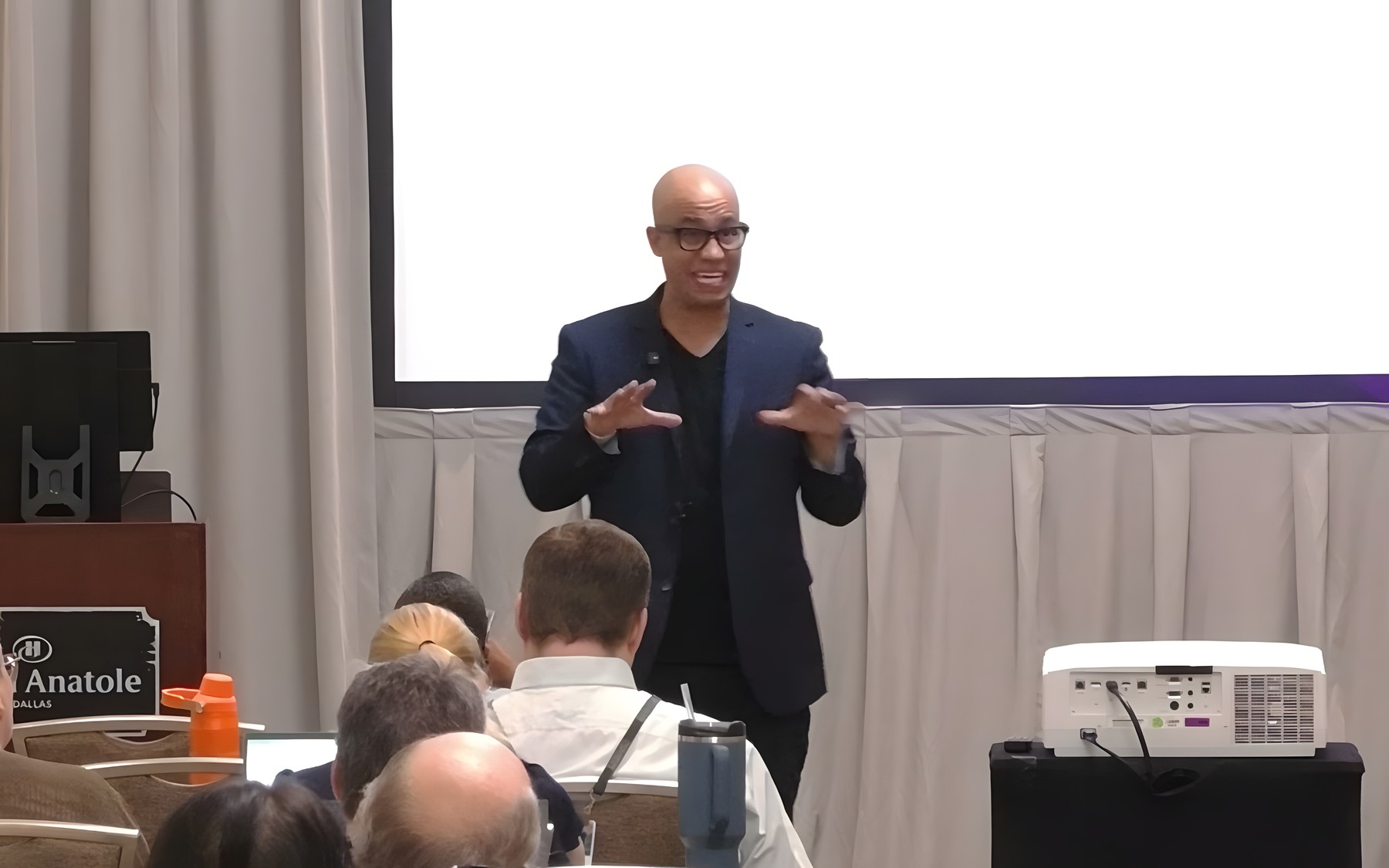
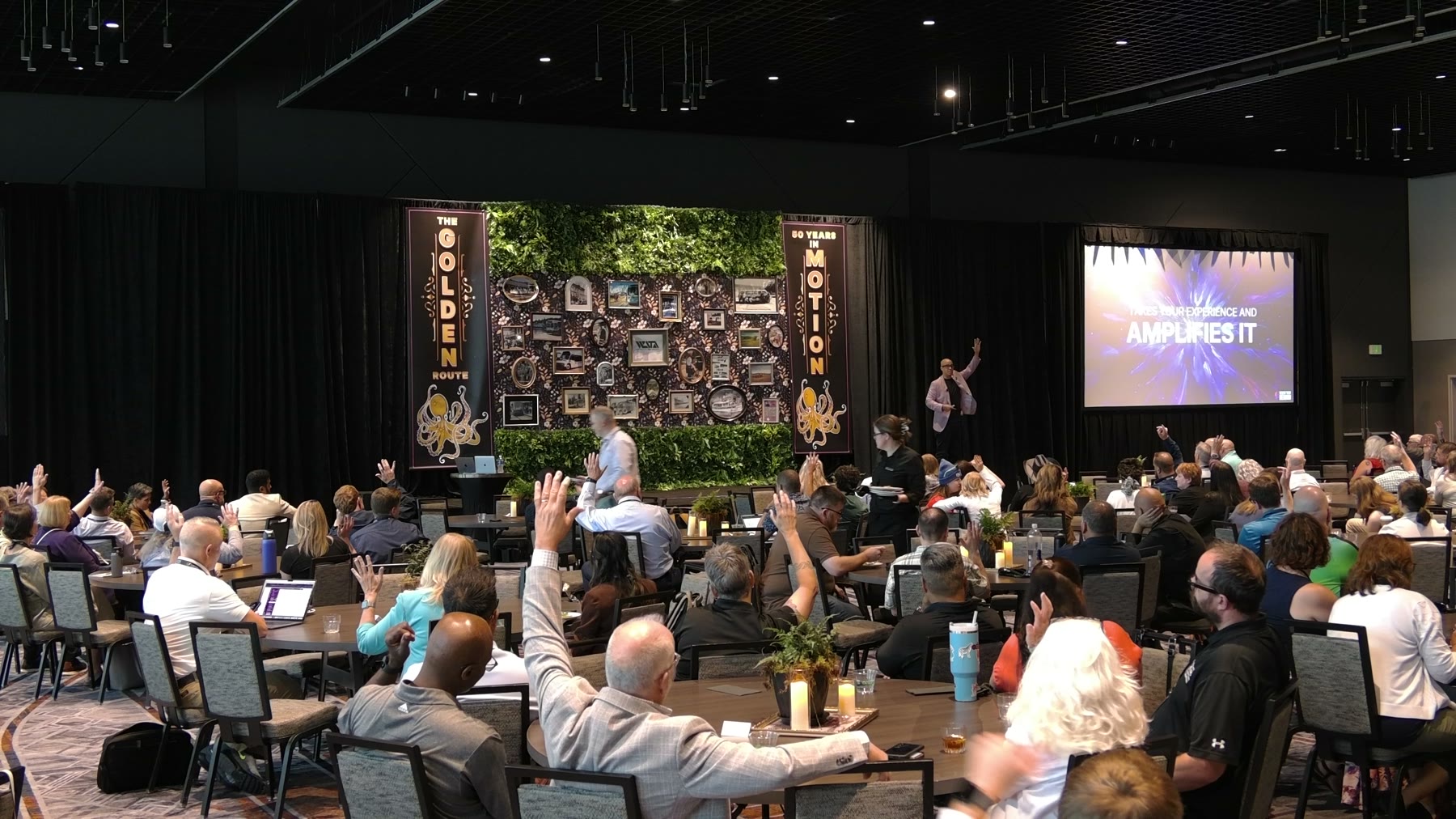
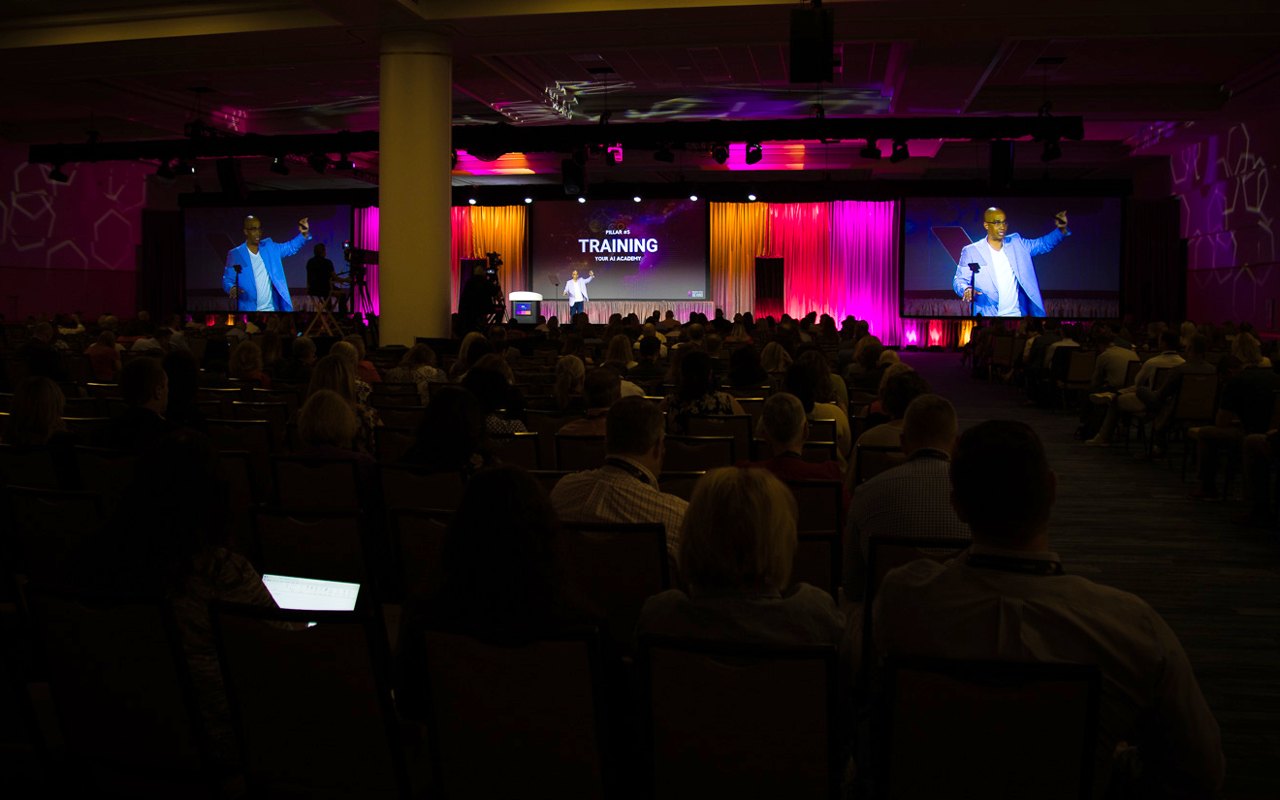
See Jordache in action
“You guys are in the human business, you guys are in the people business.”
What senior living teams are facing.
Senior living is filling up while it runs short of people.
- 90%
Occupancy
Senior housing occupancy in NIC’s 31 primary markets just passed 90%, the first time since 2014, and new supply is growing less than half a percent a year.
Source: NIC, Q3 2026
- 1in 3
Turnover
The typical senior living organization replaces about a third of its workforce every year, and RN turnover is above 40%. Labor is more than half the budget for most operators, and nine in ten saw staffing costs rise last year.
Source: Ziegler 2026 workforce survey
- 40,700
Rebuilding teams
Nursing homes added 40,700 jobs in 2025 and cut agency staffing by about 44% since late 2022.
Source: AHCA/NCAL, January 2026
- 8.3%
AI at scale
Most operators see AI as important, but very few have it working at scale: 8.3% have multiple AI systems fully in place.
Source: McKnight’s 2026 State of Technology Survey, 600+ leaders
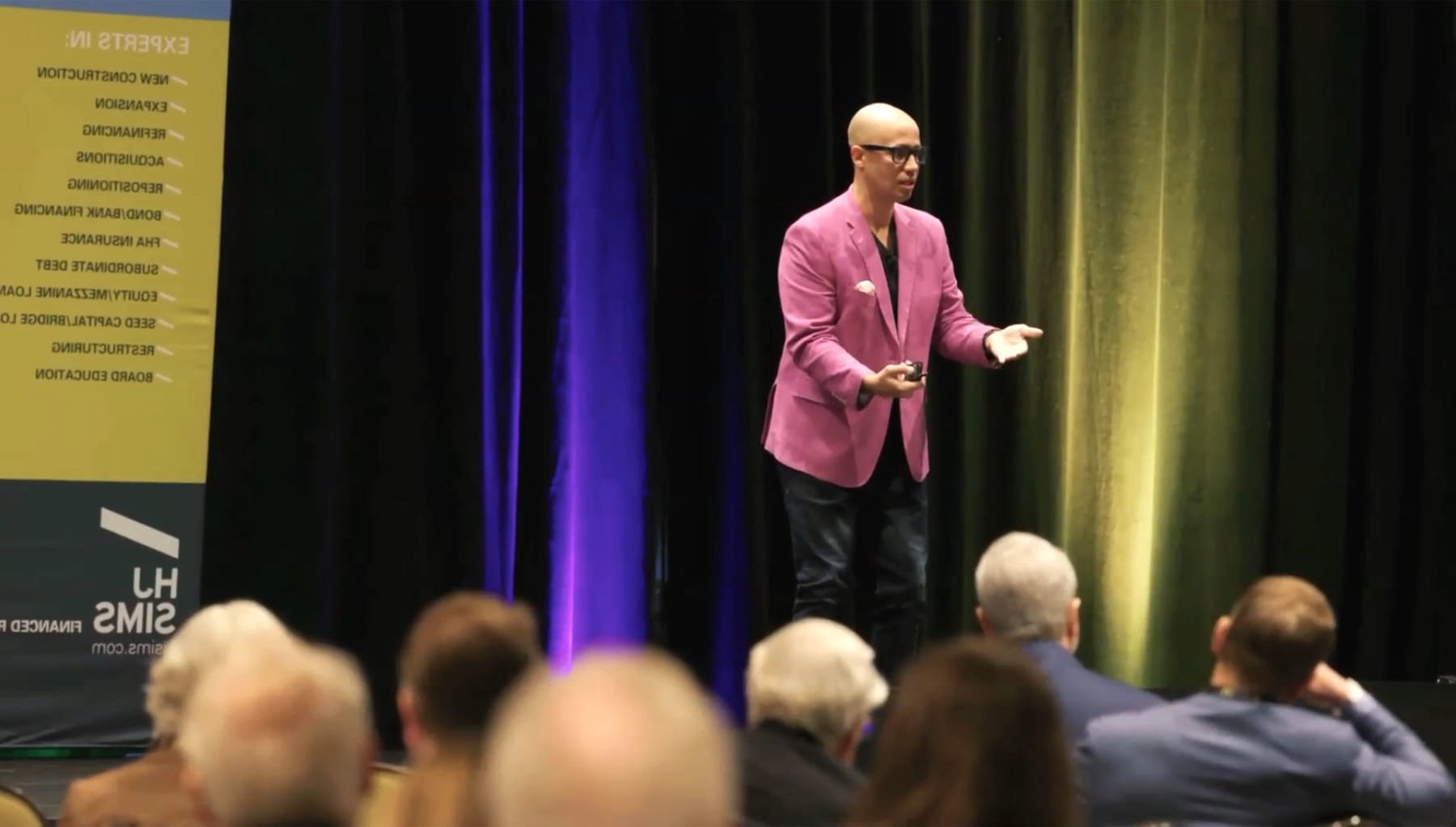
How Jordache sees it
In senior living, AI should give time back to the people who care for residents, and residents and families should know where it’s being used.
Older adults aren’t anti-AI. Adults 65 and older were the most optimistic age group about AI improving patient outcomes (Pew, survey June 2026). Older adults still want to know when they’re dealing with AI. Ninety-two percent of adults 50 and older said so (University of Michigan National Poll on Healthy Aging, 2025).
Confidence is rising. Among senior living technology leaders, those reporting some teams with AI capability jumped from 13% to 55% in a year, and legal and regulatory compliance is their top AI worry (2026 CTO Hotline, via Senior Housing News). So the talks stay practical: one change your staff and residents will feel, like shift handoff notes or family updates, measured in your own community.
The people who run senior living communities, and the teams who care for residents.
Your room
- Operator CEOs and presidents
- COOs
- CFOs
- Chief clinical officers
- Chief people officers
- Chief technology officers
- Regional directors
- Executive directors
- Administrators
- Directors of nursing
- Health and wellness directors
- Memory care directors
- Life enrichment directors
- Sales directors
- Business office managers
- RNs, LPNs and CNAs
- Resident assistants and personal care aides
- Dining staff
- Life plan community board members
Across independent living, assisted living, memory care, life plan communities and skilled nursing. The rules differ across them, and the talks say which apply where.
Your event
- National association conferences
- State association conferences
- Investor and operator conferences
- Executive director summits
- Operator leadership meetings
- Workforce symposiums
- Regional retreats
- Board retreats
Formats
The rules in your world.
The AI rules senior living already works within, in plain words. Jordache builds the talk with them in view. As of October 2026. General education from a non-lawyer, not legal advice or a substitute for the advice of an attorney. Confirm with your counsel.
Skilled nursing follows federal Medicare and Medicaid rules. Assisted living is licensed by each state, and the rules vary.
Every community
- Whether HIPAA covers a given assisted living operation is a question for your counsel. Ask which parts of your campus are covered before resident information goes into an AI tool.
Skilled nursing
- AI-drafted care notes are still the medical record. Federal rules require them to be complete, accurate and confidential, whatever form they take (42 CFR 483.70(h)).
- The federal nursing home staffing minimums were repealed in February 2026. The duty to staff sufficiently for your residents’ needs is still there (Federal Register 2025-21792).
- Medicare Advantage plans can use algorithms to help decide skilled nursing coverage, but the decision has to rest on the individual resident, and the plan carries the burden to justify ending coverage (CMS FAQ, February 2024).
Cameras in resident rooms (state laws; check where you operate)
- Several states, including Minnesota, Washington and Kansas, require resident consent, and roommate consent in shared rooms, before a camera goes in a resident’s room (Minn. Stat. 144.6502; WAC 388-78A-2690; K.S.A. 39-981).
Recording and records
- Recording laws vary by state, and some require everyone in the conversation to agree. Treat an AI notetaker as recording.
- AI transcripts, summaries and prompts can come out in a lawsuit. Once a lawsuit is reasonably foreseeable, the relevant ones have to be preserved.
“Jordache, thank you for your exceptional keynote at our conference. It was one of the highlights of our conference. Your presentation received rave reviews from our conference attendees. Your preparation was evident as you provided specific and relevant examples for both the senior living and charter school sectors.”
Related industries
Questions planners ask.
Who is a good AI keynote speaker for a senior living conference?
Jordache Johnson speaks to senior living operators, community leaders and care teams about using AI to give time back to the people who care for residents. He also flags the rules, including AI-drafted care notes, HIPAA questions and camera consent in resident rooms.
What are practical AI uses in senior living?
Common examples are the tasks around care: drafting shift summaries and care-plan notes for a nurse to review, follow-up emails and call summaries for the sales team, first drafts of family updates, and onboarding and training content. Judgment about a resident stays with the people who know that resident.
Can our staff put resident information into an AI chatbot?
Whether HIPAA covers a given assisted living operation is a question for your counsel. Ask which parts of your campus are covered before resident information goes into an AI tool. In skilled nursing, AI-drafted care notes are still the medical record. Federal rules require them to be complete, accurate and confidential, whatever form they take (42 CFR 483.70(h)). As of October 2026. General education, not a substitute for the advice of an attorney; confirm with your counsel.
Can the talk be customized, delivered virtually, or followed by a workshop?
Yes. Jordache builds every talk around your teams’ roles and examples. It can run in person or virtually as a keynote, a hands-on workshop, or both. Add the workshop when your leaders and teams want to try AI on their own work.
What does it cost to book Jordache?
It depends on the format, the length and travel. Book a call and we’ll talk through your event.
Book Jordache for your association conference, leadership meeting, executive director summit, workforce symposium or board retreat.
For operator CEOs, life plan community CEOs and board directors who want to use AI in their own work first: Executive AI Advisory