
AI keynote speaker forhospitality and travel conferences
Practical AI for hospitality leaders and the teams who make guests feel cared for, and who are stretched thin doing it.
The short answer
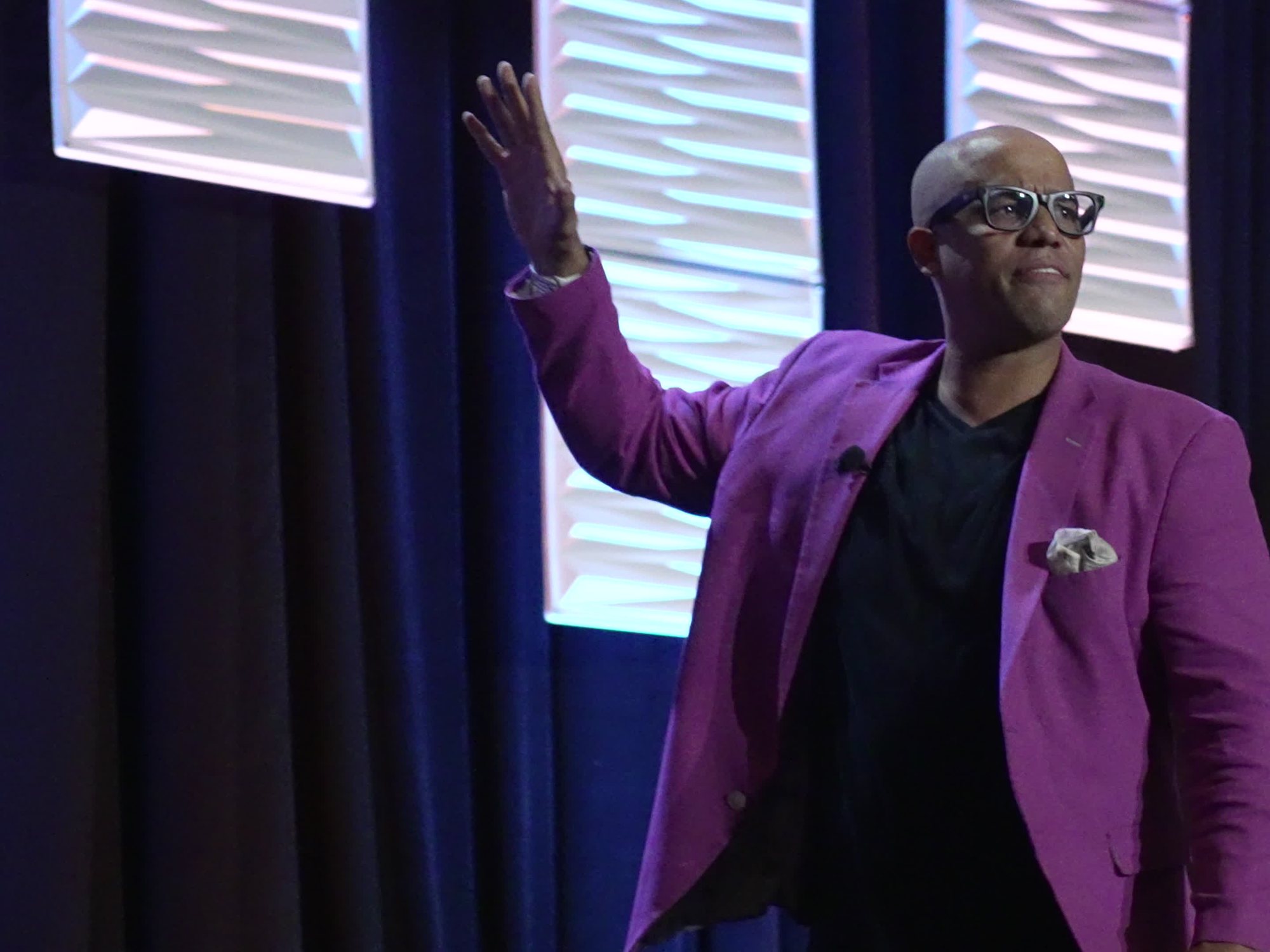
Jordache Johnson is an AI keynote speaker for hospitality and travel conferences, including hotel groups, travel organizations and destination marketing organizations. He helps leaders and their teams use AI to give stretched staff time back for guests, with a person in the moments that make a stay. His talks also flag the FTC’s rules on hotel fees and fake reviews.
Updated October 2026.
Where AI fits in hotel and destination work.
Six examples of where hotel and destination teams put AI to work. There are many more, and the talk is built around yours. What AI handles, and what stays with your people.
Guest messaging
Answering pre-arrival messages, FAQs and simple requests, and writing upsell offers, by chat or text.
The conversations that need a person, and the moments guests remember. Any rate the bot quotes has to include the mandatory fees.
Review responses
Drafting replies to real reviews.
What the property says in public. The FTC’s review rule bans fake reviews, including AI-generated ones from people who don’t exist.
Guest feedback summaries
Summarizing guest feedback.
The call on what to change, and the guests behind the comments.
Group sales and RFPs
Drafting RFP responses and proposals, and researching prospects.
The relationship and the site visit.
Listings and destination content
Room descriptions, listings and multilingual copy. For DMOs, itineraries and destination content.
Accuracy. Your reservations system still has to describe accessible rooms in enough detail for a guest to decide for themselves.
How you show up in AI answers
The trip-planning answer a guest gets, so your team can see whether your property or destination shows up and what it says.
The pages guests click through to, and the room details, fees and accessibility information on them.
Four talks. Built for hospitality rooms.
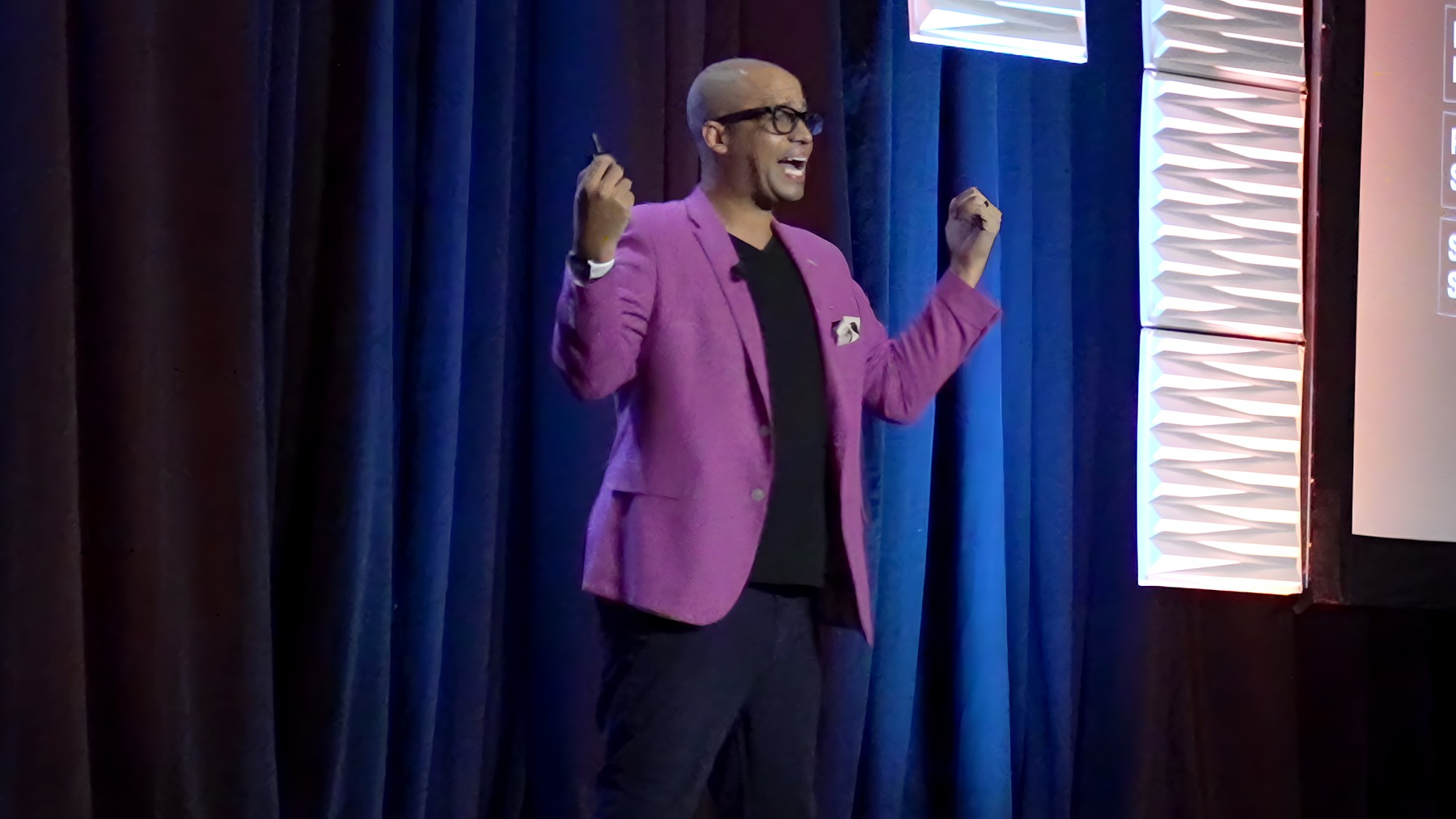
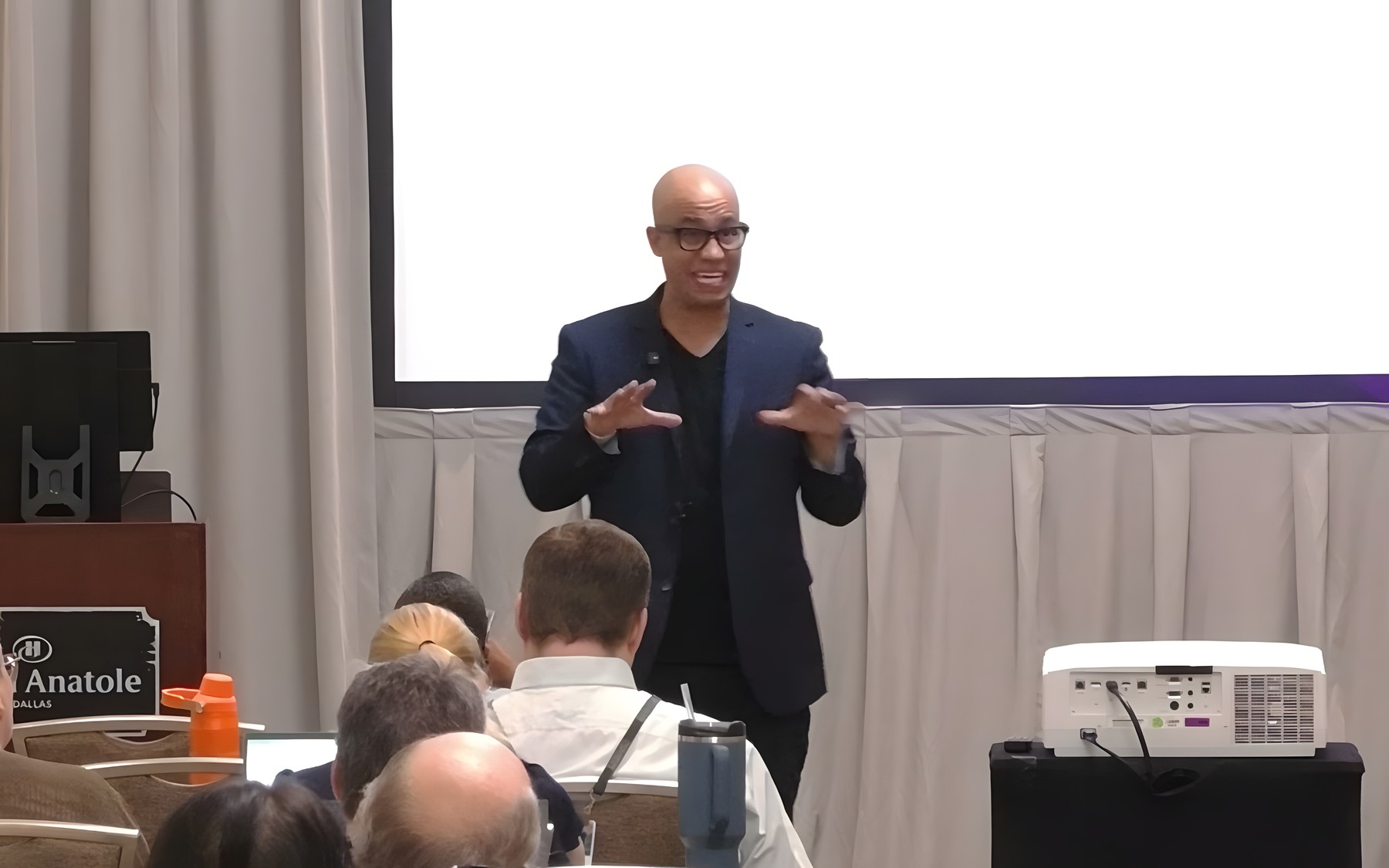
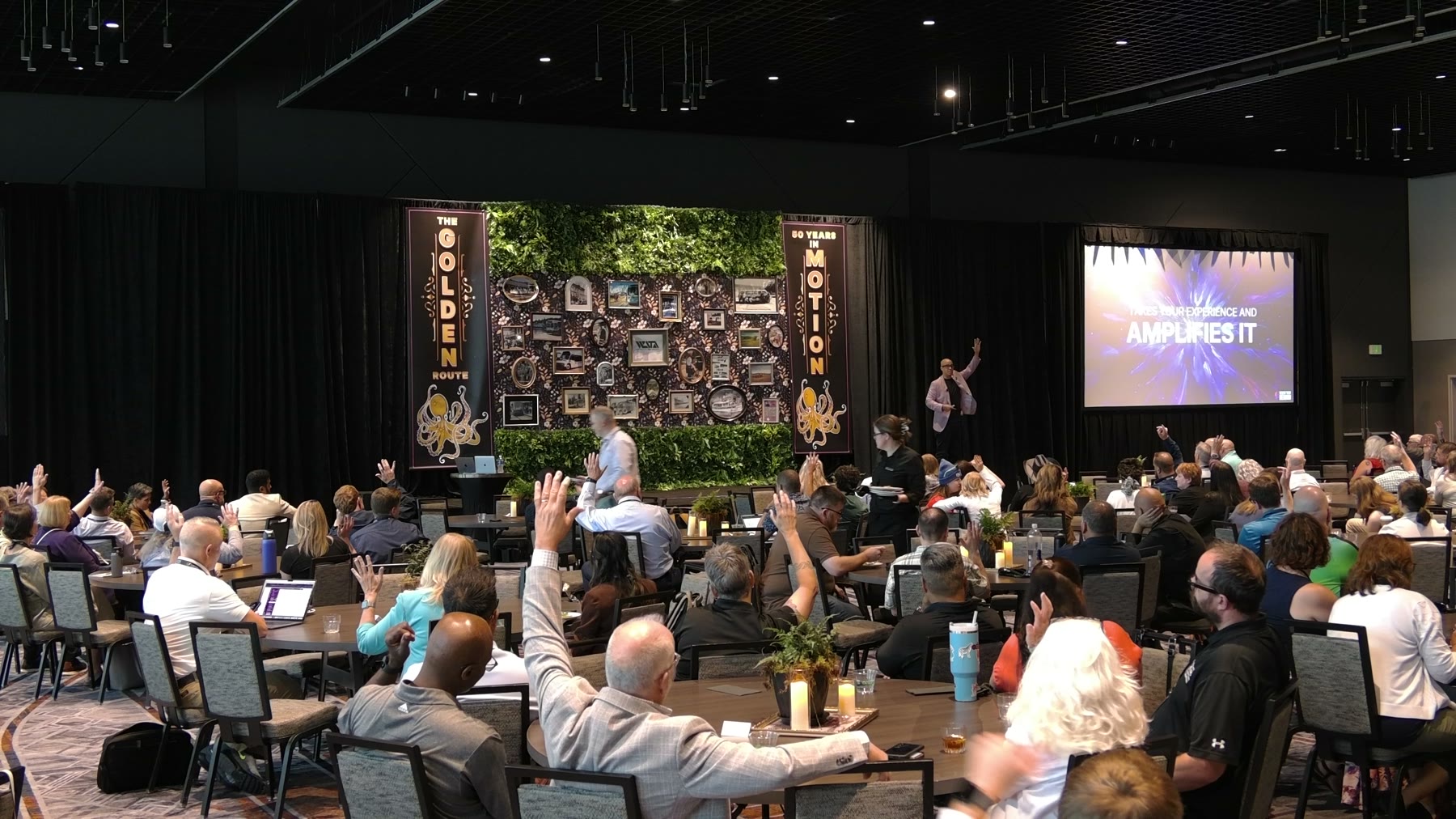
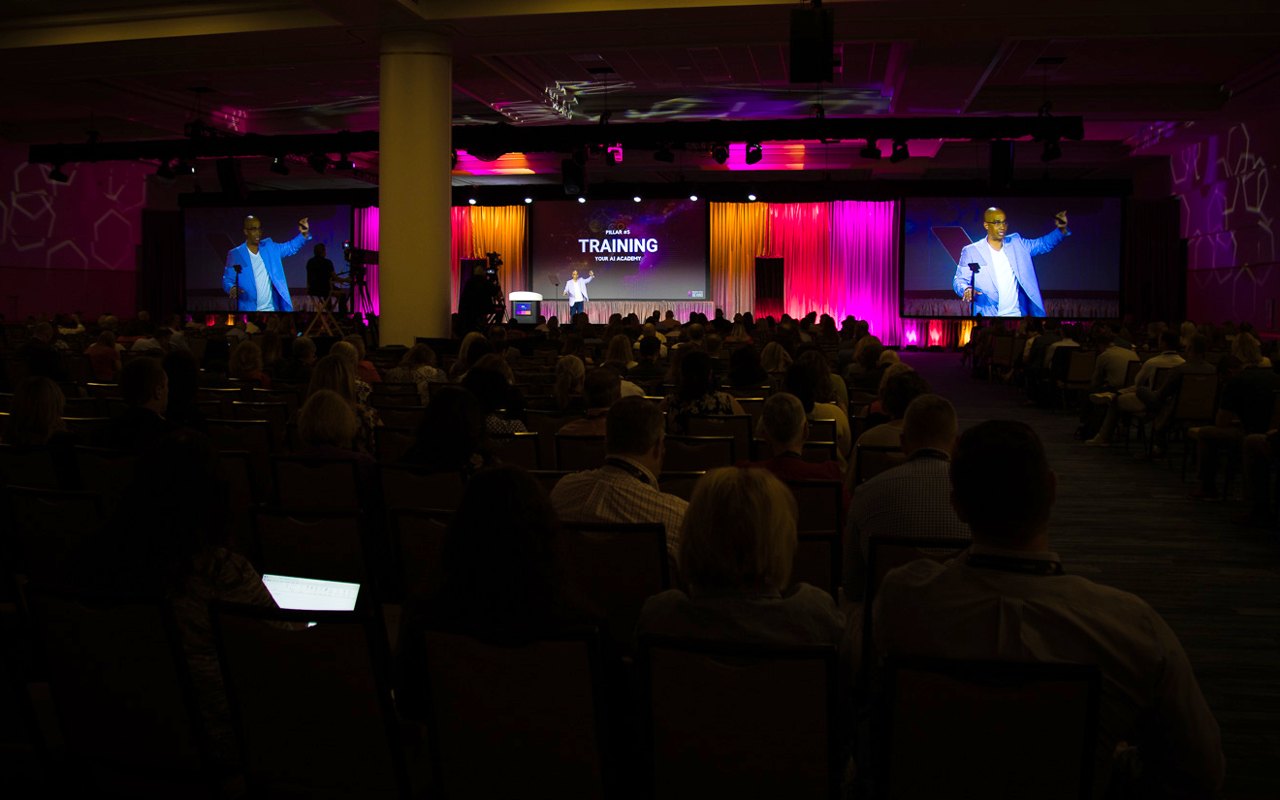
See Jordache in action
“Jordache, your presentation was energetic and highly informative. It gave me a new and positive view of AI and I look forward to using it more in the future!”
What hotel and destination teams are facing.
Hotels and destinations are serving guests who plan with AI, with teams that are already short-handed.
- Over50%
Short staffing
More than half of hoteliers in AHLA’s February 2026 survey said their properties are somewhat or severely understaffed. In the same survey, 70% of hotels said they had raised wages in response.
Source: AHLA, March 2026
- 4.4%
A stronger 2026 forecast
CoStar and Tourism Economics now expect U.S. RevPAR to rise 4.4 percent in 2026, helped by the World Cup.
Source: CoStar and Tourism Economics, August 2026 forecast
- 5.5%
Inbound travel still recovering
International visits to the U.S. fell 5.5 percent in 2025. U.S. Travel doesn’t expect a full return to 2019 levels until 2029.
Source: U.S. Travel Association, May 2026
- 56%
Guests plan with AI
Fifty-six percent of U.S. leisure travelers used AI for at least one trip in the past year, up from 33 percent in early 2025. But only 8 percent said AI answers alone were enough; about half click through to the source.
Source: Phocuswright, March 2026
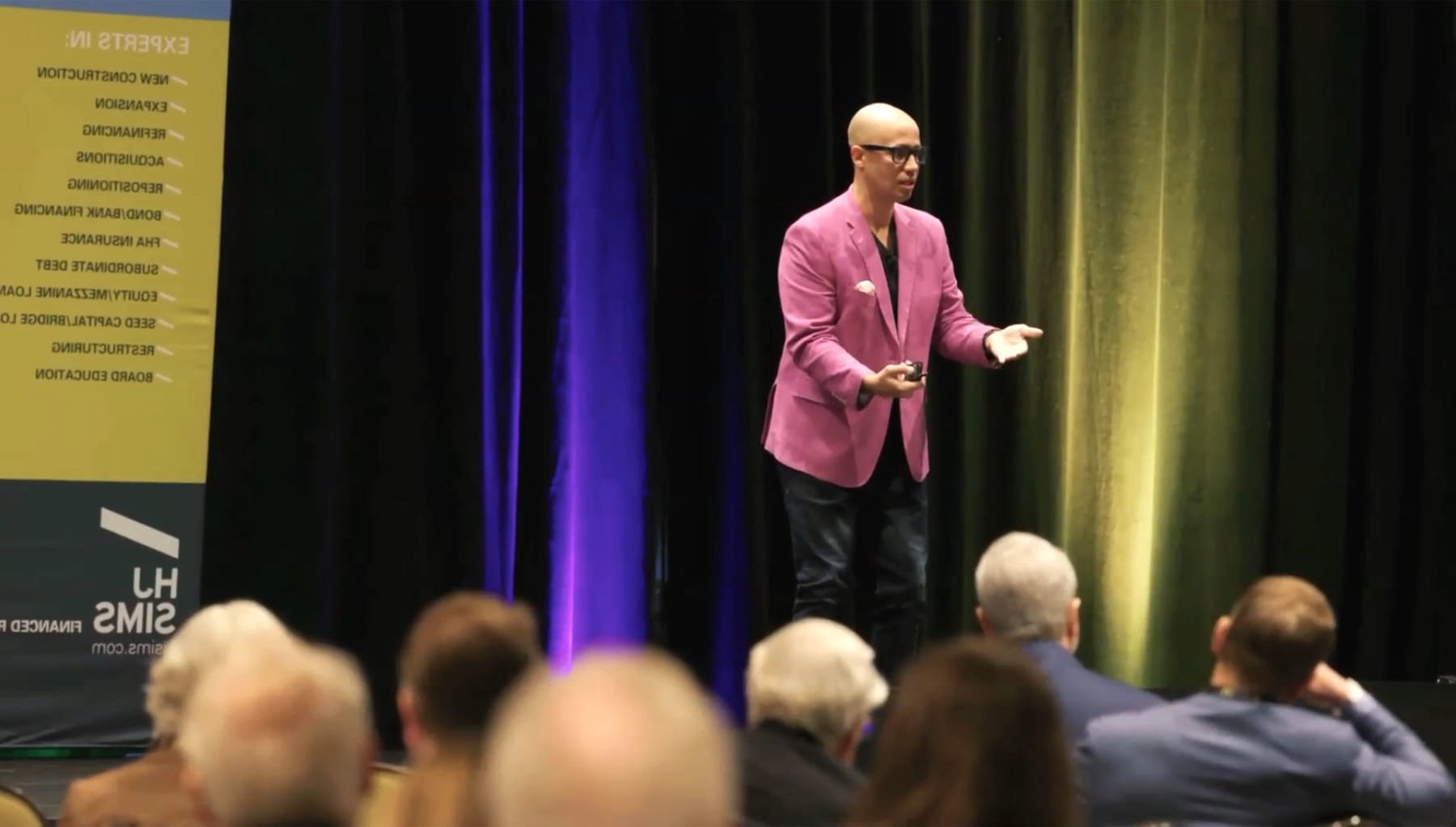
How Jordache sees it
In hospitality, AI should give stretched people time back for guests, and every answer it gives a guest should be one the property would stand behind.
Hospitality sells the feeling of being cared for. Guests plan with AI, then click through to check. That makes the page they land on, and the person who keeps it right, worth more.
One hotel software vendor’s survey of 500-plus hoteliers found they use AI in 11 of 19 tracked tasks on average (Mews, 2026; vendor survey). In the same vendor’s expert panel, none of the luxury hospitality experts would fully automate the concierge (Mews).
For hotel, travel and destination teams and the leaders who run them.
Your room
- General managers and assistant GMs
- Directors of sales and marketing
- Revenue managers and directors of revenue strategy
- Front office and guest experience managers
- Reservations and call center managers
- Front desk teams
- Housekeeping teams
- Food and beverage directors
- HR directors
- Owners and asset managers
- Hotel group and management company executives
- DMO and CVB leaders and staff
- Tourism board members
Your event
- National and state hotel and lodging association conferences
- Hospitality sales, marketing and finance association conferences
- Brand and franchise conventions
- Management company GM meetings
- Revenue and sales conferences
- DMO annual conventions and state tourism conferences
- Owner and investment conferences
Formats
The rules in your world.
The AI rules hotels and destinations already work within, in plain words. Jordache builds the talk with them in view. As of October 2026. General education from a non-lawyer, not legal advice or a substitute for the advice of an attorney. Confirm with your counsel.
Prices and fees
- Since May 2025, the FTC has required hotels and vacation rentals to show the total price, including mandatory fees, up front. That applies to any price your chatbot or voice agent quotes, too (FTC Rule on Unfair or Deceptive Fees).
- In plain words: fees are still allowed, and a bot’s rate quote has to include the mandatory ones.
Reviews
- The FTC’s review rule bans fake reviews, including AI-generated ones from people who don’t exist. Penalties can reach $53,088 per violation (16 CFR 465; FTC, December 2025; 2025 figure, kept for 2026).
Accessibility
- Your reservations system has to describe accessible rooms in enough detail for a guest to decide for themselves. That rule has been in place since 2012 (28 CFR 36.302(e)).
- AI-written room descriptions and chatbot answers have to keep that detail accurate.
Card data
- Card industry guidance says to consider an AI system a potential malicious insider in threat analysis and incident response (PCI SSC, September 2025). The cautious practice is to keep card numbers out of general AI tools; confirm with your payment security assessor.
- An AI notetaker on reservations calls where cards are read aloud likely pulls the transcript into PCI scope; confirm with your QSA.
AI calls
- AI voice calls for promotions need TCPA consent. FCC consent-revocation changes take effect November 25, 2026: callers may apply an opt-out from an informational message to that category only, and marketing opt-outs still stop all marketing. A caller can also limit opt-outs to one or more of three FCC-listed methods, if it says so clearly on each call or text. Otherwise any reasonable opt-out must be honored (FCC 26-67).
If you’re a government-run DMO
- Web accessibility compliance under ADA Title II is due April 26, 2027 (populations 50,000+) or April 26, 2028 (populations under 50,000 and special district governments).
State rules
- In California, using an online bot to make a sale is against the law when the bot is meant to mislead people about being a bot. Saying it’s a bot fixes that (Cal. Bus. & Prof. Code 17941).
Recording and records
- Recording laws vary by state, and some require everyone in the conversation to agree. Treat an AI notetaker as recording.
- AI transcripts, summaries and prompts can come out in a lawsuit. Once a lawsuit is reasonably foreseeable, the relevant ones have to be preserved.
Related industries
Questions planners ask.
Who is a good AI keynote speaker for a hospitality or travel conference?
Jordache Johnson’s talks help hotel, travel and destination teams use AI to give stretched staff time back for guests, with a person in the moments that make a stay. He also flags the rules to take to your counsel, including the FTC’s rules on mandatory fees and fake reviews, and accessible-room details.
What are practical AI uses for hotels and destination organizations?
Common examples are pre-arrival guest messaging, drafted review responses for a person to approve, group RFP responses, and listings and multilingual copy. Destination organizations often use AI for itineraries and content, and to check how their destination shows up in AI answers.
Does the FTC fee rule apply to prices our chatbot quotes?
Since May 2025, the FTC has required hotels and vacation rentals to show the total price, including mandatory fees, up front. That applies to any price your chatbot or voice agent quotes, too. Fees are still allowed; the quote has to include the mandatory ones. As of October 2026. General education, not a substitute for the advice of an attorney; confirm with your counsel.
Can hotels use AI for guest reviews?
The FTC’s review rule bans fake reviews, including AI-generated ones from people who don’t exist. Penalties can reach $53,088 per violation (16 CFR 465; FTC, December 2025; 2025 figure, kept for 2026). AI can help draft replies to real reviews for a person to approve. A person decides what the property says in public. As of October 2026. General education, not a substitute for the advice of an attorney; confirm with your counsel.
How are travelers using AI to plan trips?
Fifty-six percent of U.S. leisure travelers used AI for at least one trip in the past year, up from 33 percent in early 2025. But only 8 percent said AI answers alone were enough; about half click through to the source (Phocuswright, March 2026). So the page they click through to has to be right.
Is the talk a fit for a destination marketing organization?
Yes. For DMOs, Jordache focuses on how travelers plan with AI and whether your destination shows up accurately in those answers. He also covers inbound demand: international visits to the U.S. fell 5.5 percent in 2025, and U.S. Travel doesn’t expect a full return to 2019 levels until 2029 (U.S. Travel Association, May 2026). Government-run DMOs also have ADA Title II web accessibility deadlines in April 2027 or April 2028, depending on population. As of October 2026. General education, not a substitute for the advice of an attorney; confirm with your counsel.
Can the talk be customized or paired with a workshop?
Yes. Jordache builds every talk around your audience’s roles and examples. It can run as a keynote, a hands-on workshop, or both, or as a keynote with follow-through sessions for attendees afterward.
What does it cost to book Jordache?
It depends on the format, the length and travel. Book a call and we’ll talk through your event.
Book Jordache for your hotel association conference, brand convention, GM meeting or destination meeting.
For hotel group CEOs, owners and DMO chiefs who want to use AI in their own work first: Executive AI Advisory