
AI keynote speaker forfranchise conventions
Practical AI for the brand leaders who set the standard, and the owners and teams who run the units.
The short answer
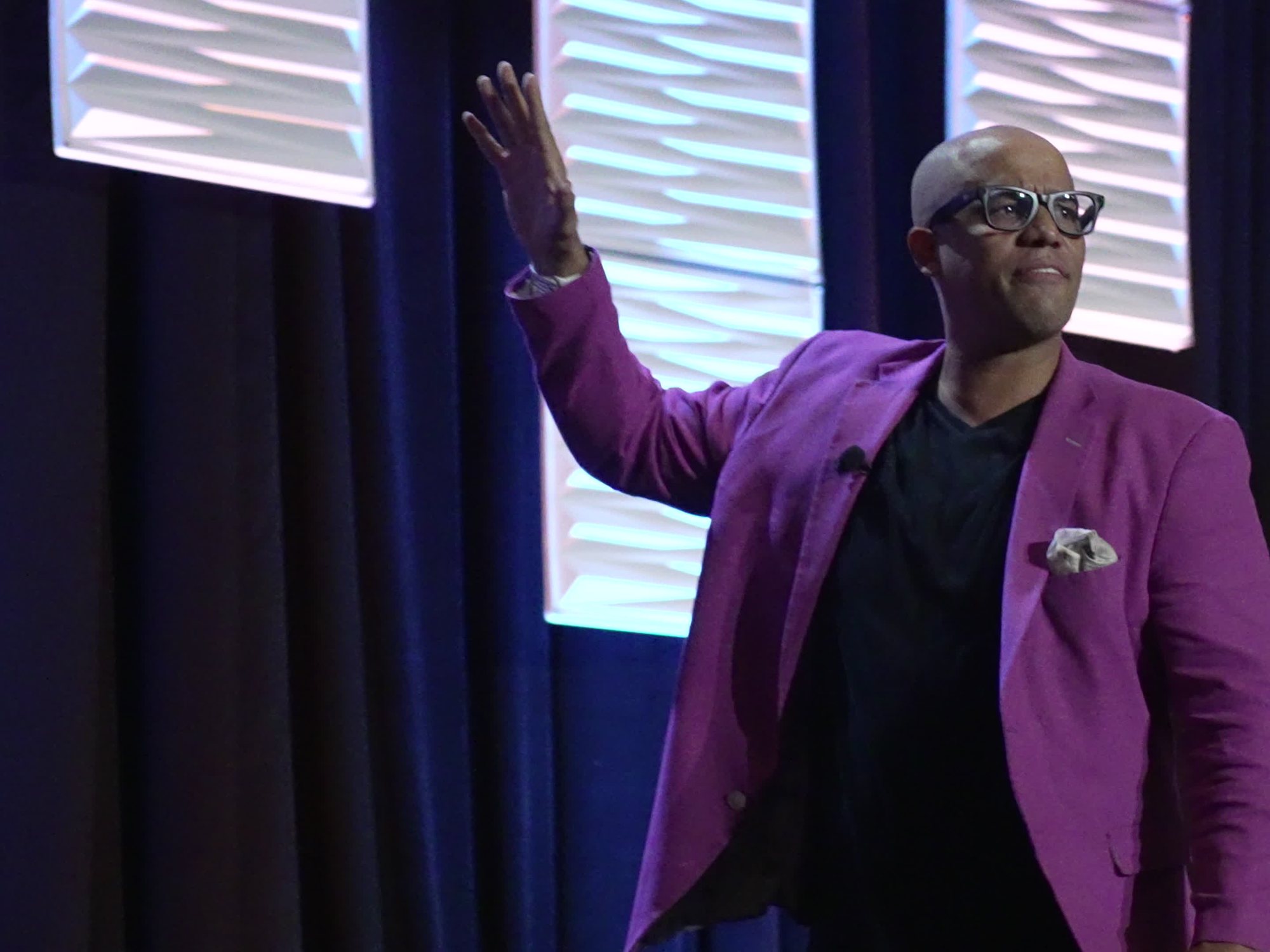
Jordache Johnson is an AI keynote speaker for franchise conventions. He helps franchisor leaders, franchisees and their teams put AI to work on everyday tasks, like local marketing, training and owner reporting, while the decisions stay with people. His talks also flag the rules to take to your counsel, including earnings claims under the Franchise Rule and the joint employer line.
Updated October 2026.
Where AI fits in franchise work.
Five examples of where franchise teams put generative AI to work, at the brand and at the unit. There are many more, and the talk is built around yours. What AI handles, and what stays with your people.
Local marketing
Localizing brand-approved templates, drafting local social posts and location pages, and first drafts of replies to real reviews.
The local voice, and what the brand will and won’t say. No AI reviews from customers who don’t exist.
Franchise development follow-up
First drafts of candidate follow-up emails and answers to common questions, from the brand’s approved language.
What anyone says about earnings, and the call on who joins the system. Earnings claims generally have to match Item 19.
Operations manual and training
Answering staff questions from the operations manual, and first drafts of training content for new hires and new owners.
The coaching, and the standards the brand stands behind.
Field visit prep
Summarizing a unit’s numbers and past notes, and drafting the agenda and follow-up for a field consultant visit.
The conversation with the owner, and the judgment about what to fix first.
Owner P&L review
Summarizing the P&L, explaining what moved from last month, and drafting questions for the bookkeeper or the field consultant.
The decisions about the crew and the money.
Four talks. Built for franchise rooms.
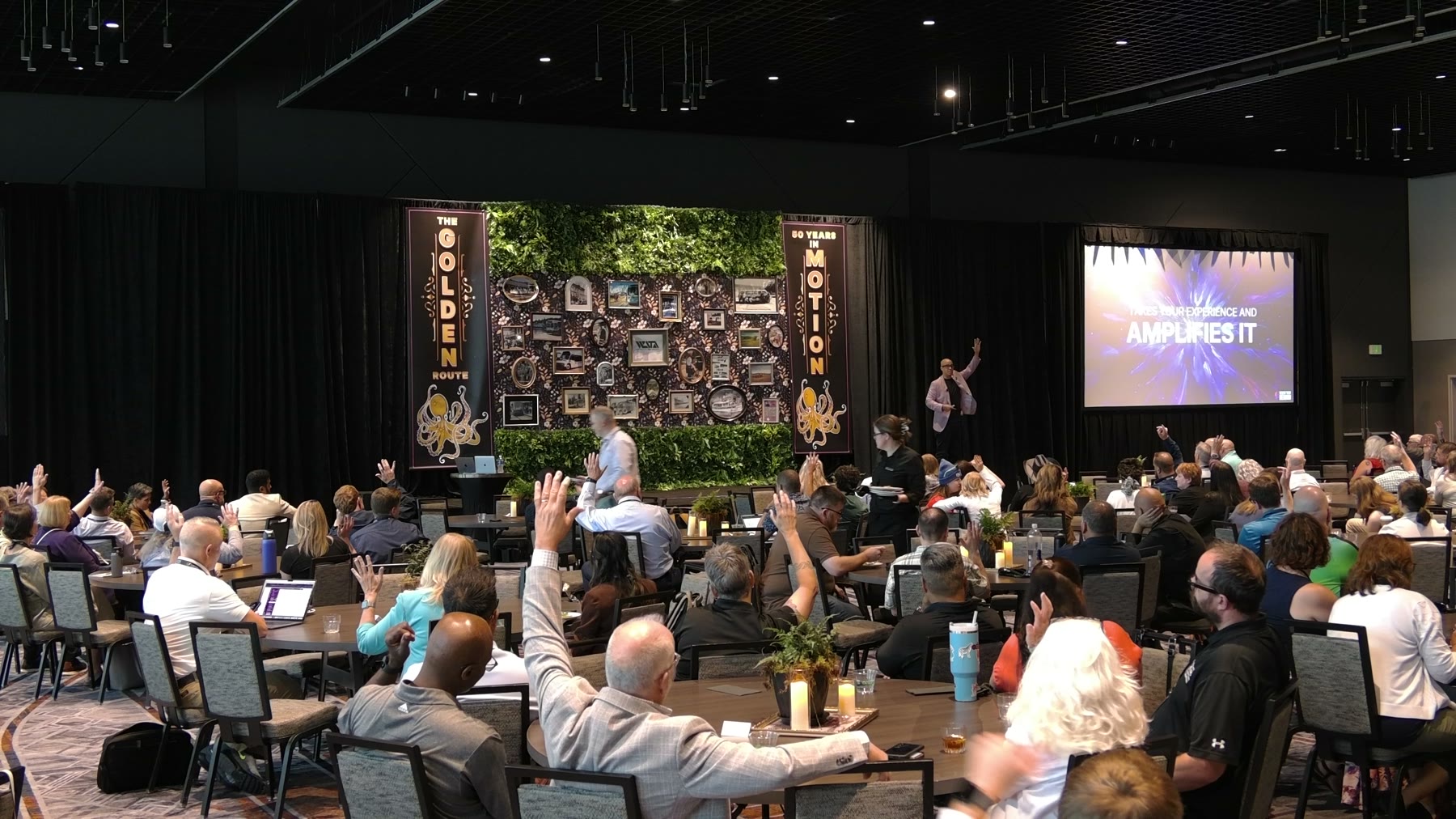
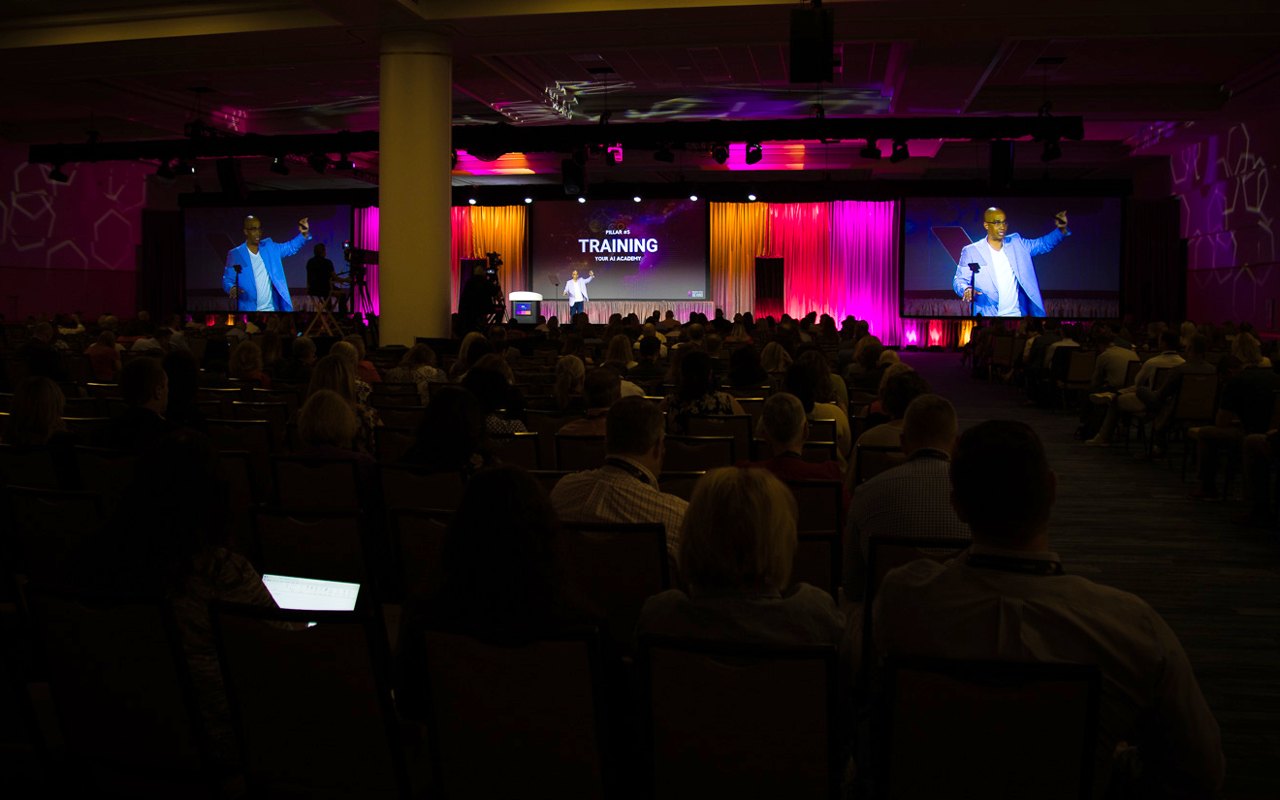
See Jordache in action
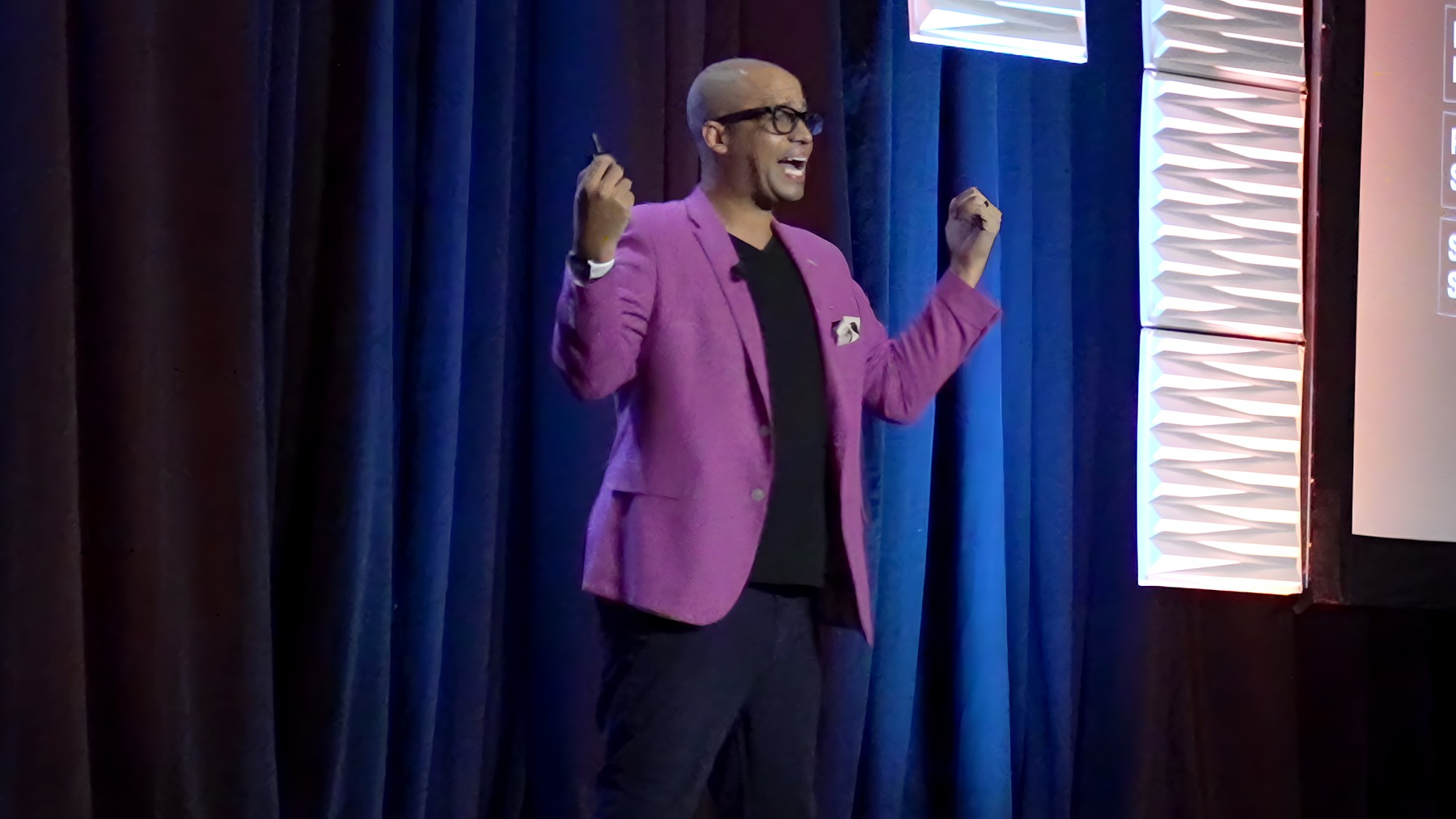
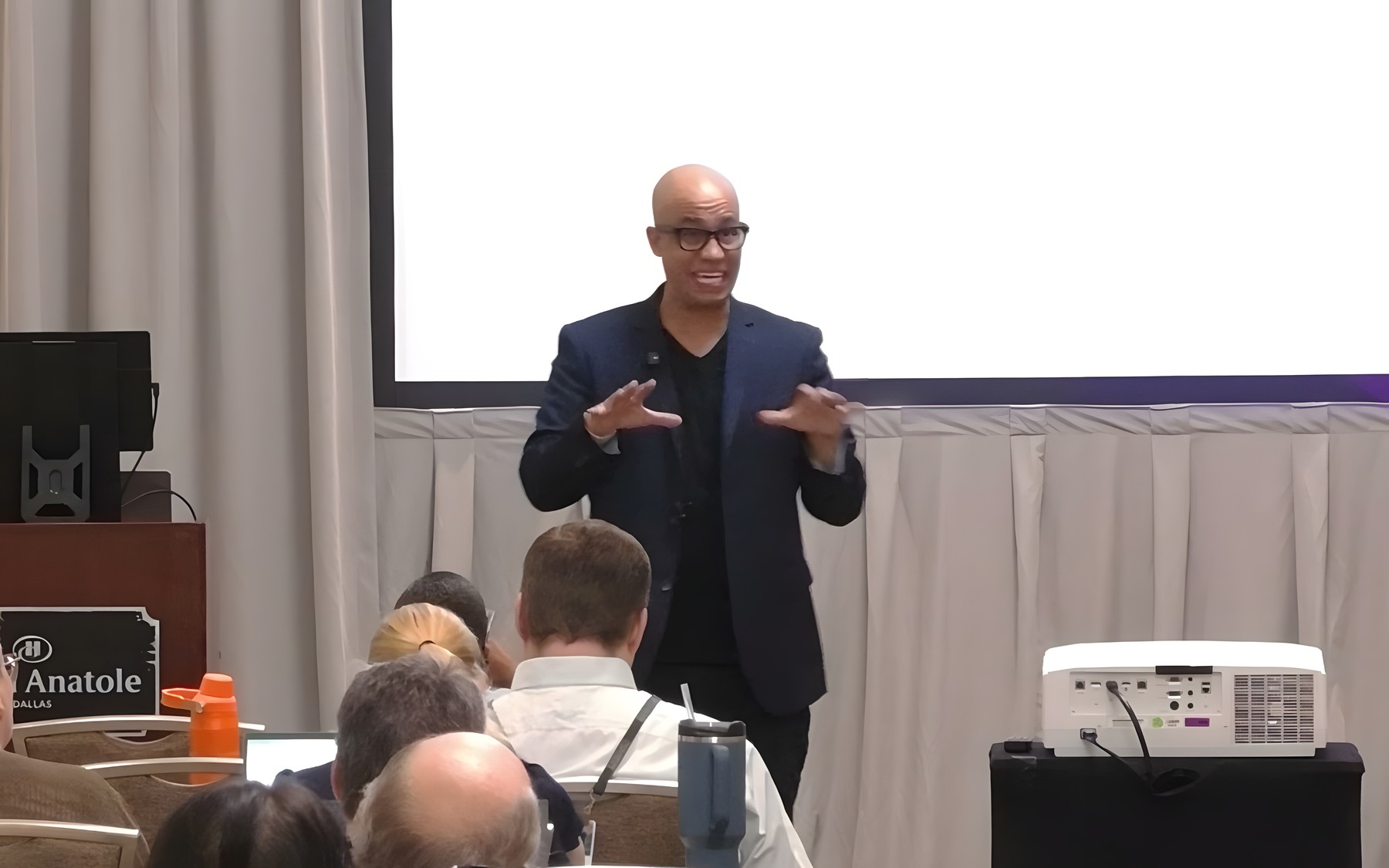
“Thank you! We truly appreciate the engagement and thoughtful perspective. It was energizing to see how quickly the conversation turned to real-world impact.”
What franchise systems are facing.
Growth is slow, labor is tight, and the FTC is enforcing the Franchise Rule. The talk starts from the pressure your room already feels.
- 0.5%
Slow growth
IFA’s 2026 growth forecast for quick service restaurants. Child services and home and commercial services lead at 3.2% output growth.
Source: IFA 2026 Franchising Economic Outlook, February 2026
- 54%
A shrinking labor pool
Share of 253 restaurant franchise leaders in a TD Bank survey who named a shrinking labor pool as their biggest talent concern for 2026.
Source: TD Bank survey, reported by Nation’s Restaurant News, December 2025
- 57%
Bigger operators
Share of US franchised units run by multi-unit owners.
Source: FRANdata analysis of 433,558 units, via IFA, 2026
- $17million
Sales claims under scrutiny
What the FTC secured for Xponential Fitness franchisees in March 2026, the largest amount ever returned to consumers in a franchise case. One allegation: telling buyers studios typically open within six months when most took more than a year.
Source: FTC, March 18, 2026
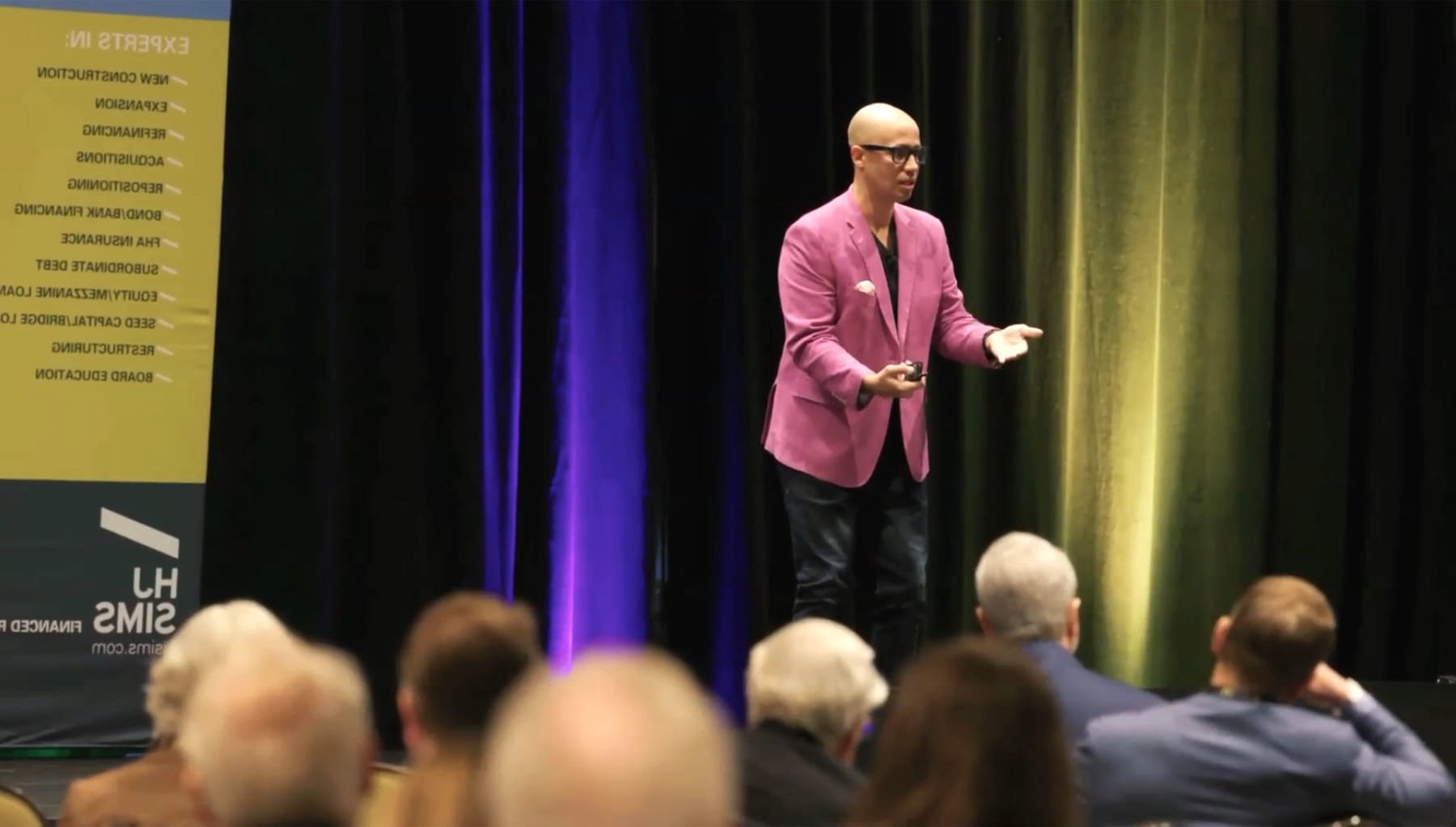
How Jordache sees it
One brand, two businesses. AI has to make sense to the brand that sets the standard and to the owner who runs the unit.
The brand can put AI into the templates, the manual and the development follow-up. The owner can put it to work on the local post, the training and the monthly numbers. AI can’t replace the owner who knows the crew and the neighborhood, or the field consultant who knows when to push. In IFA’s words, AI in franchise systems moved “from experimental use cases to a strategic capability” in 2025. IFA also expects AI to take a growing share of franchise capital spending, and franchisors to face higher training costs to upskill and reskill franchisees and employees.
IFA and FRANdata forecast about 845,000 US franchise establishments and nearly 8.9 million franchise jobs in 2026. So the talks stay practical: a few uses owners and brand teams can test, inside the rules franchising already lives by.
Franchisor and franchisee leaders and their teams, in the same room or their own.
Your room
- Franchise owners and operators
- Multi-unit and multi-brand operators
- Area developers
- General and district managers
- Store and studio managers
- Franchise business consultants
- Field operations and trainers
- Openings teams
- Franchise development and sales
- Franchise marketing teams
- Technology and data teams
- Supply chain teams
- Franchise legal and compliance
- Franchisor executives
The talk speaks to both sides of the agreement.
Your event
- Franchise association conventions
- Brand franchisee conventions
- Regional owner meetings
- Multi-unit operator conferences
- Franchisee association meetings
- Hotel owner conventions
Formats
The rules in your world.
The AI rules franchising already works within, in plain words. Jordache builds the talk with them in view. As of October 2026. General education from a non-lawyer, not legal advice or a substitute for the advice of an attorney. Confirm with your counsel.
Selling franchises
- Under the Franchise Rule, an earnings claim to a prospect, oral, written or visual, by the franchisor or anyone selling for it, generally has to match Item 19, with narrow exceptions, and be backed by a reasonable basis and written substantiation.
- The FTC hasn’t ruled on AI tools specifically. The cautious assumption is that an earnings figure from a chatbot or AI-written email counts the same as one from a salesperson. Ask counsel how to keep those tools inside Item 19.
- In October 2026, announcing proposed settlements that still need court approval, the FTC’s consumer protection director said franchisors are legally required to be upfront and honest about earnings potential and the associated risks.
- Fourteen states require franchisors to register or file before selling there, and their examiners read the same FDD.
- California’s franchise broker registration becomes mandatory July 1, 2027.
Technology, fees and data
- The FDD has to say whether the franchisor will have independent access to the data its required systems generate.
- FTC staff guidance from 2024, still posted, says a new fee added through the operations manual that wasn’t in the FDD and agreement may be unlawful. That includes technology fees. Status checked October 29, 2026; this guidance could change.
Who’s the employer
- Since February 27, 2026, the NLRB’s rule is formally back to the 2020 joint employer test: substantial direct and immediate control over essential terms like wages, hours, hiring and discipline. A union challenge is pending.
- The Labor Department’s April 2026 joint employer proposal says operating as a franchisor doesn’t by itself make joint employment more or less likely. It isn’t final.
Marketing, reviews and calls
- The FTC’s review rule bans fake reviews, including AI-generated ones from reviewers who don’t exist, and penalties can reach $53,088 per violation.
- Since 2024 the FCC treats an AI-generated voice as an artificial voice. Those calls need consent.
The franchise relationship
- Since October 1, 2026, Maryland law protects franchisees’ right to join an association of same-brand franchisees.
Recording and records
- Recording laws vary by state, and some require everyone in the conversation to agree. Treat an AI notetaker as recording.
- AI transcripts, summaries and prompts can come out in a lawsuit. Once a lawsuit is reasonably foreseeable, the relevant ones have to be preserved.
Related industries
Questions planners ask.
Who is a good AI keynote speaker for a franchise convention?
Jordache Johnson’s keynotes help franchisors and franchisees put AI to work on everyday tasks, like local marketing, training and owner reporting, while the decisions stay with people. He also flags the rules to take to your counsel, including earnings claims under the Franchise Rule and the joint employer line.
What are practical AI uses for a franchise system this year, at the brand and at the unit?
At the brand: localizing marketing templates, drafting follow-up to prospective franchisees from approved FDD language, and answering staff questions from the operations manual. At the unit: drafting local posts and replies to real reviews, prepping for a field consultant visit, and summarizing the monthly P&L. A person reviews what goes out, and the decisions stay with people.
If we roll out an AI scheduling or hiring tool to franchisees, does that make us a joint employer?
Since February 27, 2026, the NLRB’s rule is formally back to the 2020 joint employer test: substantial direct and immediate control over essential terms like wages, hours, hiring and discipline. A union challenge is pending. The Labor Department’s April 2026 joint employer proposal says operating as a franchisor doesn’t by itself make joint employment more or less likely. It isn’t final. Both turn on control of the franchisee’s workers, so bring counsel in before any brand-wide scheduling or hiring tool. As of October 2026. General education, not a substitute for the advice of an attorney; confirm with your counsel.
Our development team uses an AI chatbot and AI emails. What can they say about earnings?
Under the Franchise Rule, an earnings claim to a prospect, oral, written or visual, by the franchisor or anyone selling for it, generally has to match Item 19, with narrow exceptions, and be backed by a reasonable basis and written substantiation. The FTC hasn’t ruled on AI tools specifically. The cautious assumption is that an earnings figure from a chatbot or AI-written email counts the same as one from a salesperson. Ask counsel how to keep those tools inside Item 19. As of October 2026. General education, not a substitute for the advice of an attorney; confirm with your counsel.
What has to go in our FDD about AI tools, fees and our access to franchisee data?
The FDD has to say whether the franchisor will have independent access to the data its required systems generate. On fees, FTC staff guidance from 2024, still posted, says a new fee added through the operations manual that wasn’t in the FDD and agreement may be unlawful, including technology fees. Status checked October 29, 2026; it could change. Fourteen states require franchisors to register or file before selling there, and their examiners read the same FDD. As of October 2026. General education, not a substitute for the advice of an attorney; confirm with your counsel.
Can one talk work for franchisors and franchisees in the same room? Can it be virtual or a series?
Yes. Jordache builds every talk around your audience’s roles and examples, so the brand team and the owners both see their own work in it. It can run in person or virtually as a keynote, a hands-on workshop, or both, or as a series of sessions before and after your convention.
What does it cost to book Jordache?
It depends on the format, the length and travel. Book a call and we’ll talk through your event.
Book Jordache for your franchise convention, owner meeting or multi-unit conference.
For franchisor CEOs and multi-unit operators who want to use AI in their own work first: Executive AI Advisory