
AI keynote speaker forprivate equity conferences and portfolio company summits
Practical AI for PE firms and the portfolio companies they back, from the deal team to the people doing the work.

The short answer
Jordache Johnson is an AI keynote speaker for private equity conferences, firm meetings and portfolio company summits. He helps PE partners, deal teams, portfolio leaders and their people use AI in their own work first, so they can lead it from experience. His talks also flag where AI rules reach a fund and its portfolio.
Updated October 2026.
Where AI fits in fund and portfolio work.
Six examples of where PE firms and portfolio company teams put AI to work. There are many more, and the talk is built around yours. What AI handles, and what stays with your people.
Deal sourcing and screening
Market research, and a first screen of targets against the fund’s thesis.
Which deals are worth the time, and the first conversation with management.
Data room review
Reviewing and synthesizing data room documents.
What to dig into, and the questions the documents don’t answer. Deal documents usually sit under an NDA, and some are material nonpublic information. Use only tools your firm has approved for deal data.
The IC memo
A first draft of the investment committee memo.
The investment decision, and the questions the memo didn’t ask.
LP reports and fundraising materials
First drafts of LP reports and fundraising materials.
What the numbers mean, and every claim that goes to an investor. The SEC’s 2027 exam priorities check whether firms’ technology claims are fair and accurate.
Customer support
Answering routine customer questions, and drafting replies for the people answering the rest.
The customers who need a person, and the fixes behind the complaints.
Software engineering
First drafts of code, and a first review.
The design of the system, and what ships to customers.
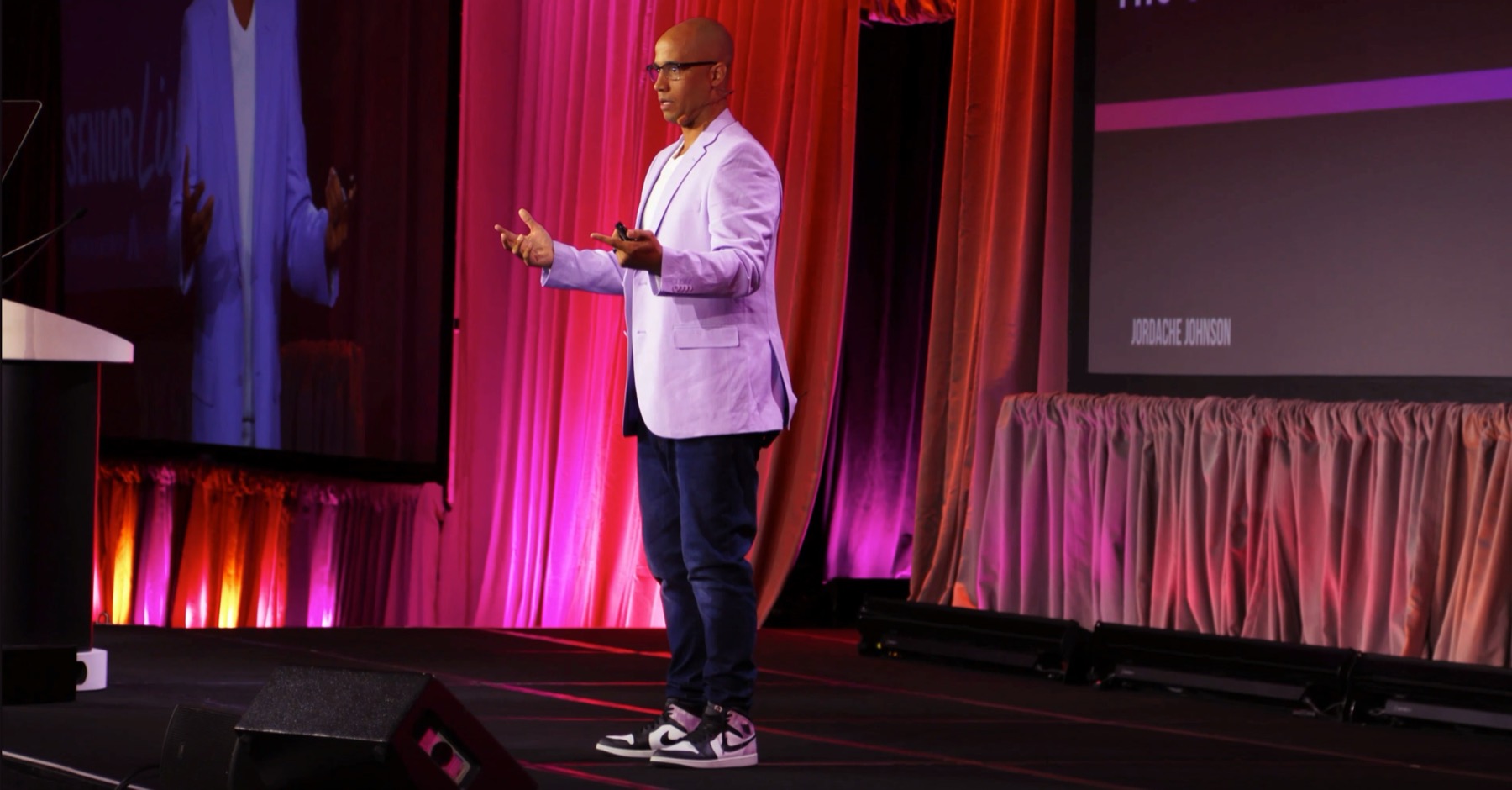
Four talks. Built for private equity rooms.
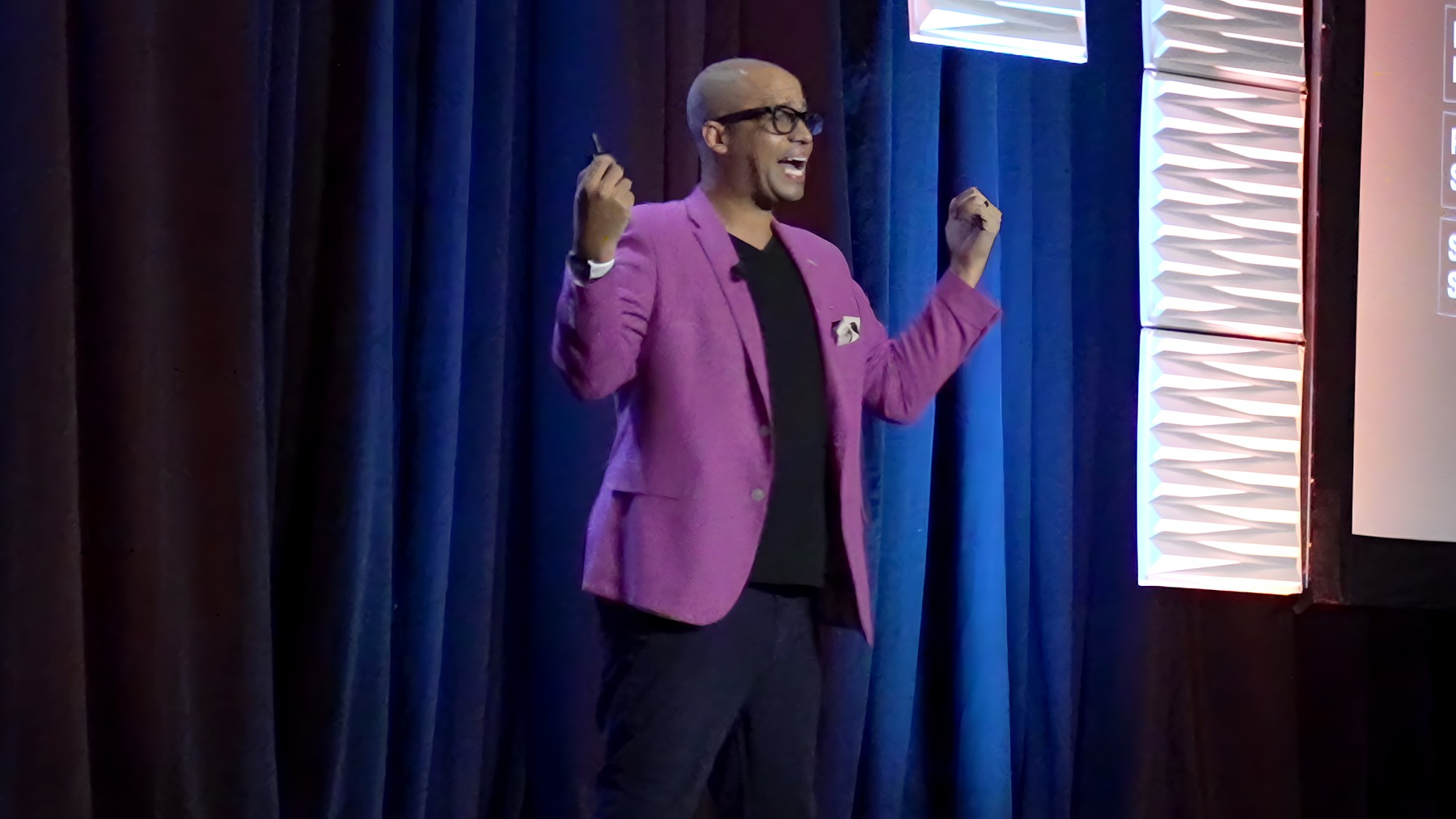
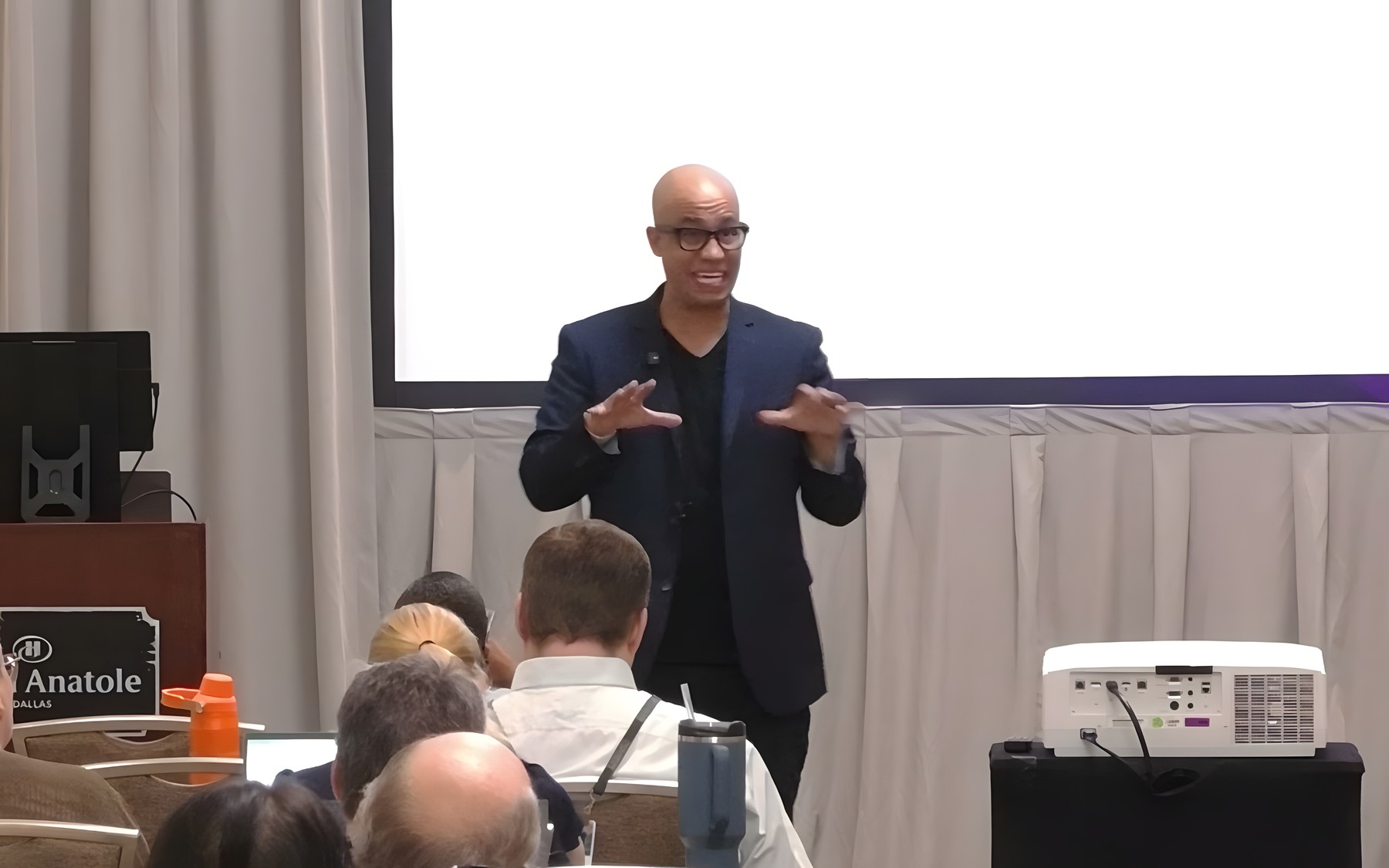

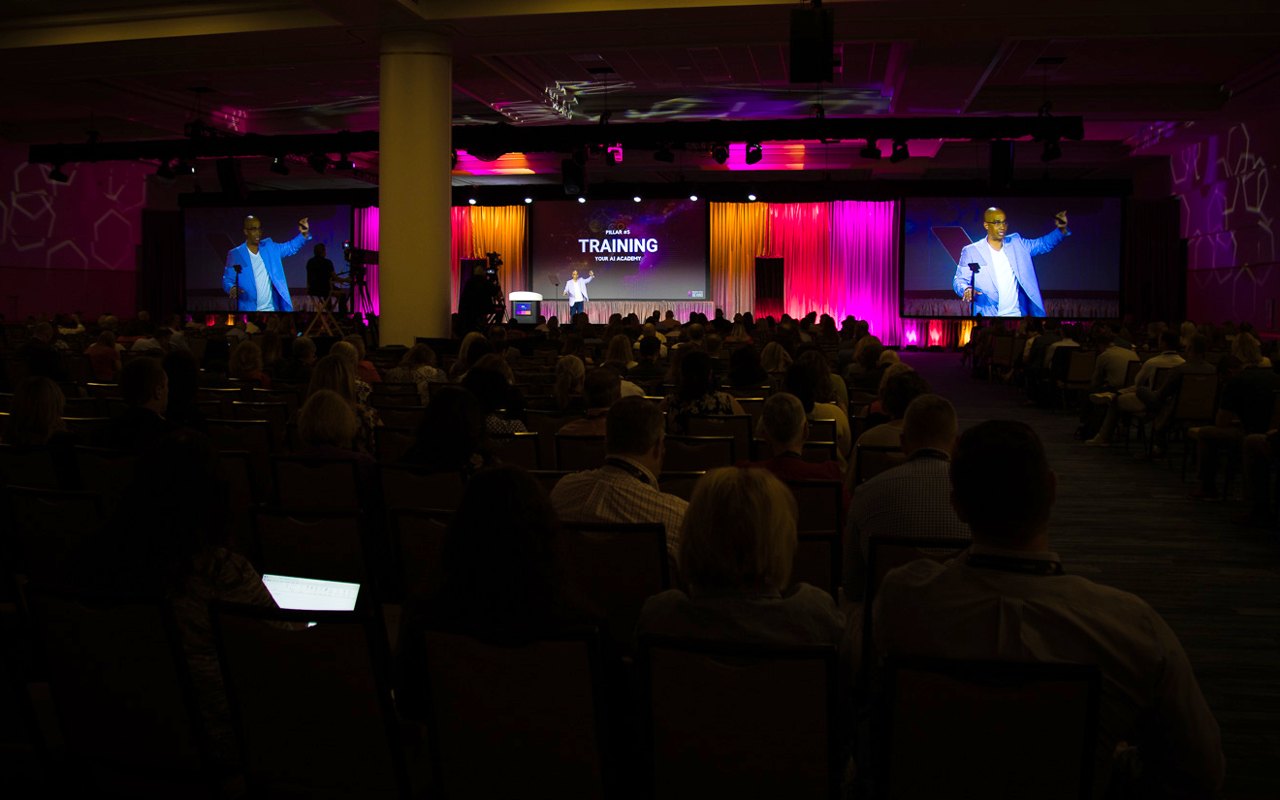
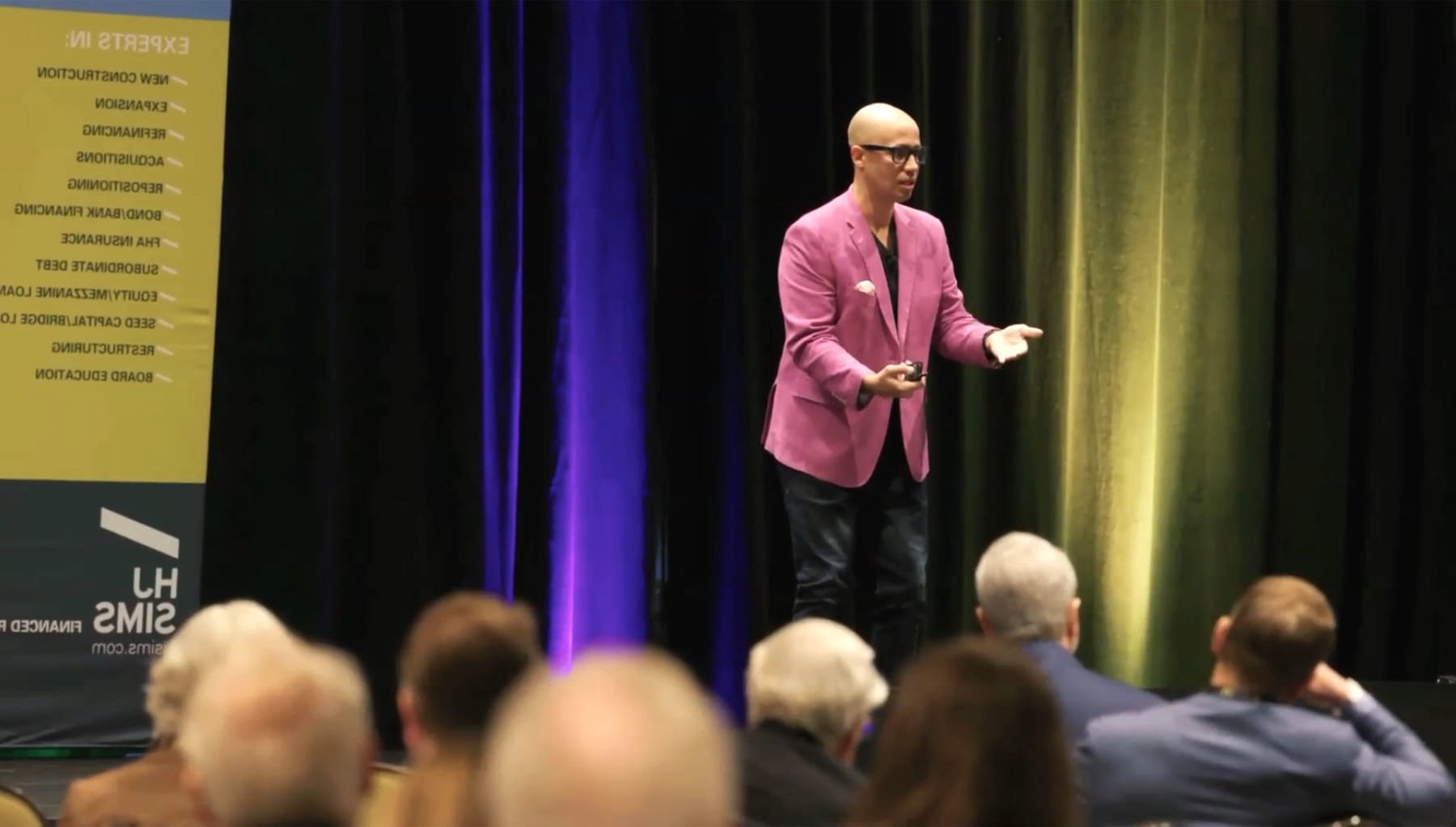
See Jordache in action
“You opened my eyes at the keynote. I was blown away at your breakout session. Literally blown away.”
What PE firms and portfolio companies are facing.
PE firms and their portfolio companies are working through longer holds with a higher bar for returns.
- 7years
Longer holds
Buyout holds now average about seven years at exit, up from five to six. Almost 40% of companies have been held more than five years.
Source: Bain, February 2026
- 10to 12%
A higher bar
Bain calls it “12 is the new 5.” Deals that once needed 5% EBITDA growth a year now need about 10% to 12% to hit the same return.
Source: Bain, February 2026
- Nearly2in 3
Pressure on the CEO
Nearly two-thirds of PE firms replace the portfolio CEO during the hold. In the same survey, “38% of portfolio company executives worry about losing their jobs due to disruption.”
Source: AlixPartners, March 2026
- 4in 10
Jobs on the line
Four in ten PE-owned companies expect AI to cut more than 10% of jobs. The people in the portfolio hear that number too.
Source: AlixPartners, March 2026
How Jordache sees it
Jordache’s view: the firm puts AI on the value creation plan and asks the portfolio CEO to deliver it, so the partner and the CEO both need to use it firsthand.
It takes firsthand use to judge AI output. A CEO who has run AI on a board deck or a pricing question asks the team better questions than one who has only seen the vendor demo. The same goes for the partner reading that CEO’s plan. How leaders talk about AI also shapes whether the people in the portfolio try it.
Only 21% of US buyout professionals rate their own AI expertise as advanced (L.E.K., April 2026 survey of 100). So try small, measured experiments in real work, at the firm and in the company. A small experiment gives the next decision some evidence to stand on.
PE firms and the portfolio companies they back: partners, deal and operating teams, portfolio leaders and the people doing the work.
Your room
- Partners
- Firm leadership
- Operating partners
- Value creation teams
- Deal team members
- Human capital partners
- Portfolio company CEOs
- CFOs
- COOs
- CHROs
- CIOs
- Functional heads
- Portfolio company teams
- Independent directors on portfolio boards
Often from many industries in one room.
Your event
- Firm annual meetings
- Partner and operating partner offsites
- Firm offsites
- Operating partner conferences
- Portfolio CEO summits
- CFO and CHRO peer forums
- Deal community chapter events
- Board retreats
Formats
The rules in your world.
The AI rules private equity already works within, in plain words. Jordache builds the talk with them in view. As of October 2026. General education from a non-lawyer, not legal advice or a substitute for the advice of an attorney. Confirm with your counsel.
For the fund
- The SEC’s private fund adviser rules were struck down in 2024. There’s no PE-specific AI rule. Your AI claims still have to be true.
- The SEC’s 2027 exam priorities look at private fund fees and expenses, fund-level credit lines and affiliated service providers, and whether firms’ technology claims are fair and accurate.
- The SEC’s 2026 exam priorities included reviewing the accuracy of firms’ claims about their AI capabilities, and whether firms monitor or supervise their use of AI.
For portfolio companies
- The AI rules that apply come from each portfolio company’s own industry and location.
- Colorado’s new AI law, from January 1, 2027, covers AI that materially influences consequential decisions in employment, education, housing, lending, insurance, health care and government services. Its text has no small business or headcount exemption. The attorney general’s enforcement is on hold under an April 2026 federal court order until after final rules and a court ruling. Still moving.
- California’s automated decision rules apply to significant decisions by CCPA-covered businesses from January 1, 2027, including employment decisions.
If a portfolio company operates in the EU
- The EU’s high-risk AI rules for things like hiring and credit scoring now start December 2, 2027.
- AI literacy duties have applied since February 2, 2025, and were softened in July 2026.
Deal information
- Advisers must keep and enforce written policies reasonably designed to prevent misuse of material nonpublic information (Advisers Act Section 204A). NDAs can also limit where deal data goes, so check both before it goes into an AI tool.
Recording and records
- Recording laws vary by state, and some require everyone in the conversation to agree. Treat an AI notetaker as recording.
- AI transcripts, summaries and prompts can come out in a lawsuit. Once a lawsuit is reasonably foreseeable, the relevant ones have to be preserved.
Related industries
Questions planners ask.
Who is a good AI keynote speaker for a private equity conference or portfolio company summit?
Jordache Johnson builds his talks for PE firms and the portfolio companies they back: partners, operating partners and deal teams, plus portfolio CEOs, their leadership teams and the people doing the work. His talks help them use AI in their own work first, so they can lead it from experience during a longer hold. He also flags where AI rules reach a fund and its portfolio companies.
Does the talk work for a firm meeting as well as a portfolio summit?
Yes. For a firm meeting, Jordache builds the demos around your own work: market research, data room review, the investment committee memo and LP reports. Only 21% of US buyout professionals rate their own AI expertise as advanced (L.E.K., April 2026 survey of 100). Judging AI output takes firsthand use, so your partners, operating partners and deal teams leave with a use tied to their own work and a first attempt to make. For a portfolio summit, he builds the talk around the room’s roles and examples, including the industries across your portfolio. It can run in person or virtually, as a keynote, a hands-on workshop, or both.
What are practical AI uses for PE firms and portfolio companies?
At the fund, GPs in a Bain and StepStone survey reported the highest generative AI returns in due diligence and deal sourcing (March 2026). L.E.K. says portfolio companies most often deploy AI for customer support and software engineering. Try AI on one small task in real work, at the firm or in a portfolio company, and measure it, so the next decision rests on evidence.
Our sponsor told us to “do AI.” Where does a portfolio CEO start?
Most portfolio CFOs are in the same spot. In Accordion’s 2025 survey, 98% of PE sponsors had told portfolio CFOs to prioritize AI. Most CFOs hadn’t acted, and 68% said the main reason was not knowing where to begin. (Accordion sells finance AI consulting.) Try AI on your own work: one real task, tried firsthand, so you can judge what AI does well before you set expectations for the team.
Is there an SEC rule on how private equity firms use AI?
The SEC’s private fund adviser rules were struck down in 2024. There’s no PE-specific AI rule. Your AI claims still have to be true. The SEC’s 2027 exam priorities look at private fund fees and expenses, fund-level credit lines and affiliated service providers, and whether firms’ technology claims are fair and accurate. As of October 2026. General education, not a substitute for the advice of an attorney; confirm with your counsel.
What AI rules reach our portfolio companies?
The rules that apply come from each portfolio company’s own industry and location. Colorado’s new AI law, from January 1, 2027, covers AI that materially influences consequential decisions in employment, education, housing, lending, insurance, health care and government services. The attorney general’s enforcement is on hold under an April 2026 federal court order until after final rules and a court ruling. The EU’s high-risk AI rules for things like hiring and credit scoring now start December 2, 2027. As of October 2026. General education, not a substitute for the advice of an attorney; confirm with your counsel.
Can PE partners and portfolio CEOs work with Jordache one on one?
Yes, through Executive AI Advisory. It’s one executive at a time, built around that leader’s own use of AI and their confidence leading AI change. A firm’s partners and several CEOs in one portfolio can each be advised, each in their own engagement.
What does it cost to book Jordache?
It depends on the format, the length and travel. Book a call and we’ll talk through your event.
Book Jordache for your firm annual meeting, firm offsite or portfolio CEO summit.
For PE partners and portfolio CEOs, one executive at a time: Executive AI Advisory