
AI keynote speaker forHR conferences and CHRO forums
Practical AI for HR leaders and the teams doing the work, now asked to lead an AI change they’re still learning.
The short answer
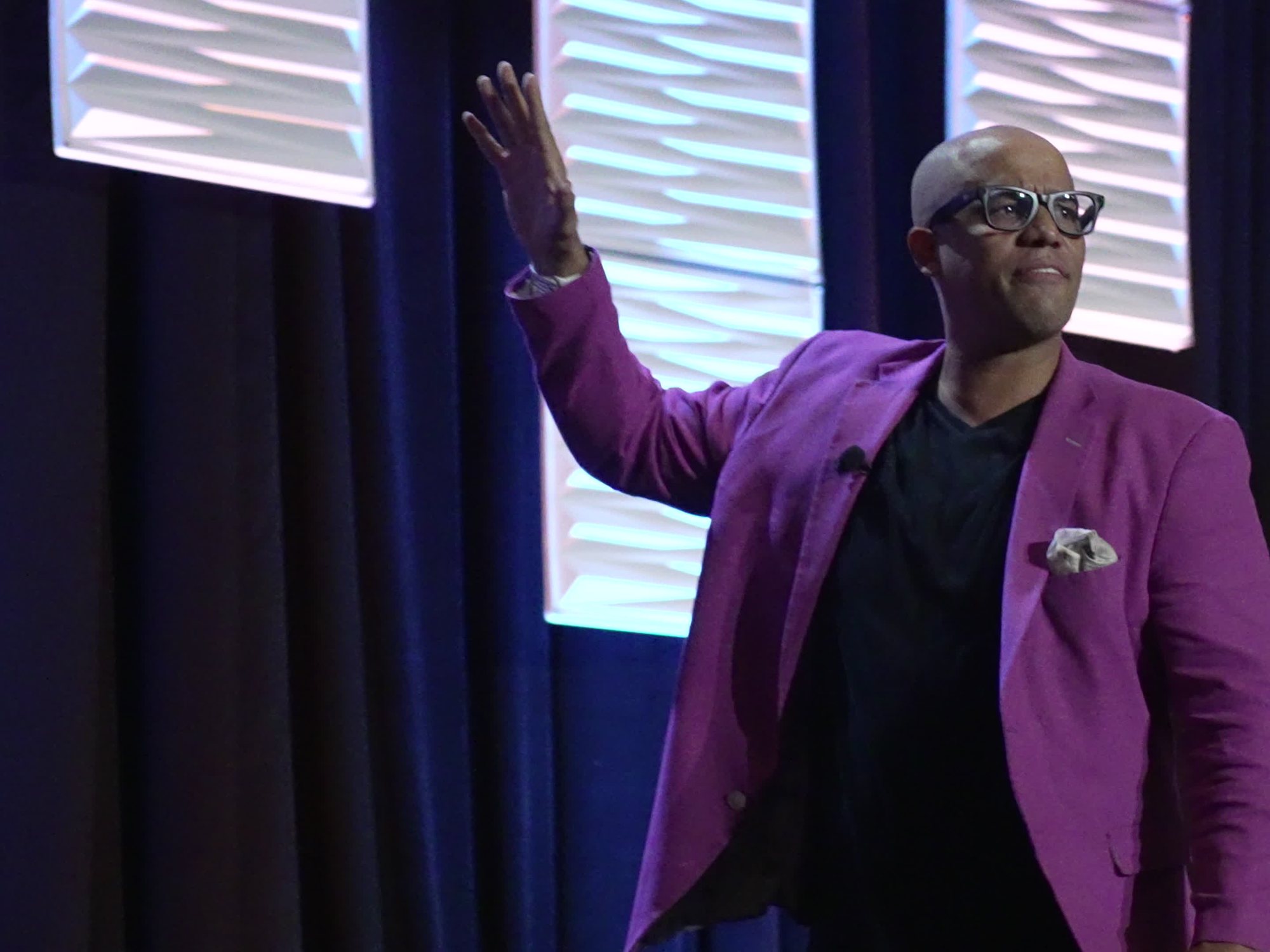
Jordache Johnson is an AI keynote speaker for HR conferences and CHRO forums. He helps HR leaders and teams hand AI the volume work, like first drafts of job postings and candidate updates, so recruiters and managers get time back for judgment. A person still owns every decision about a person. His talks also flag the hiring rules that apply.
Updated October 2026.
Where AI fits in HR and talent work.
Five examples of where HR and talent teams put AI to work. There are many more, and the talk is built around yours. What AI handles, and what stays with your people.
Job descriptions and postings
Writing and tightening job descriptions and postings.
What the role really needs, and the final read before anything goes out.
Course and learning content
Course outlines, storyboards, learning objectives, voice-over and translation.
Content and design calls, and measurement.
Candidate updates
Drafting candidate communication.
The conversations that build a candidate’s trust.
Policy and handbook questions
Answering employees’ policy and handbook questions.
The policy itself, and the questions that need a person.
Review drafts and manager talking points
First drafts of performance review language, manager talking points and team communications.
The judgment about the person, and the conversation itself. AI drafts and prompts about an employee can be requested in a workplace dispute.
Four talks. Built for HR rooms.
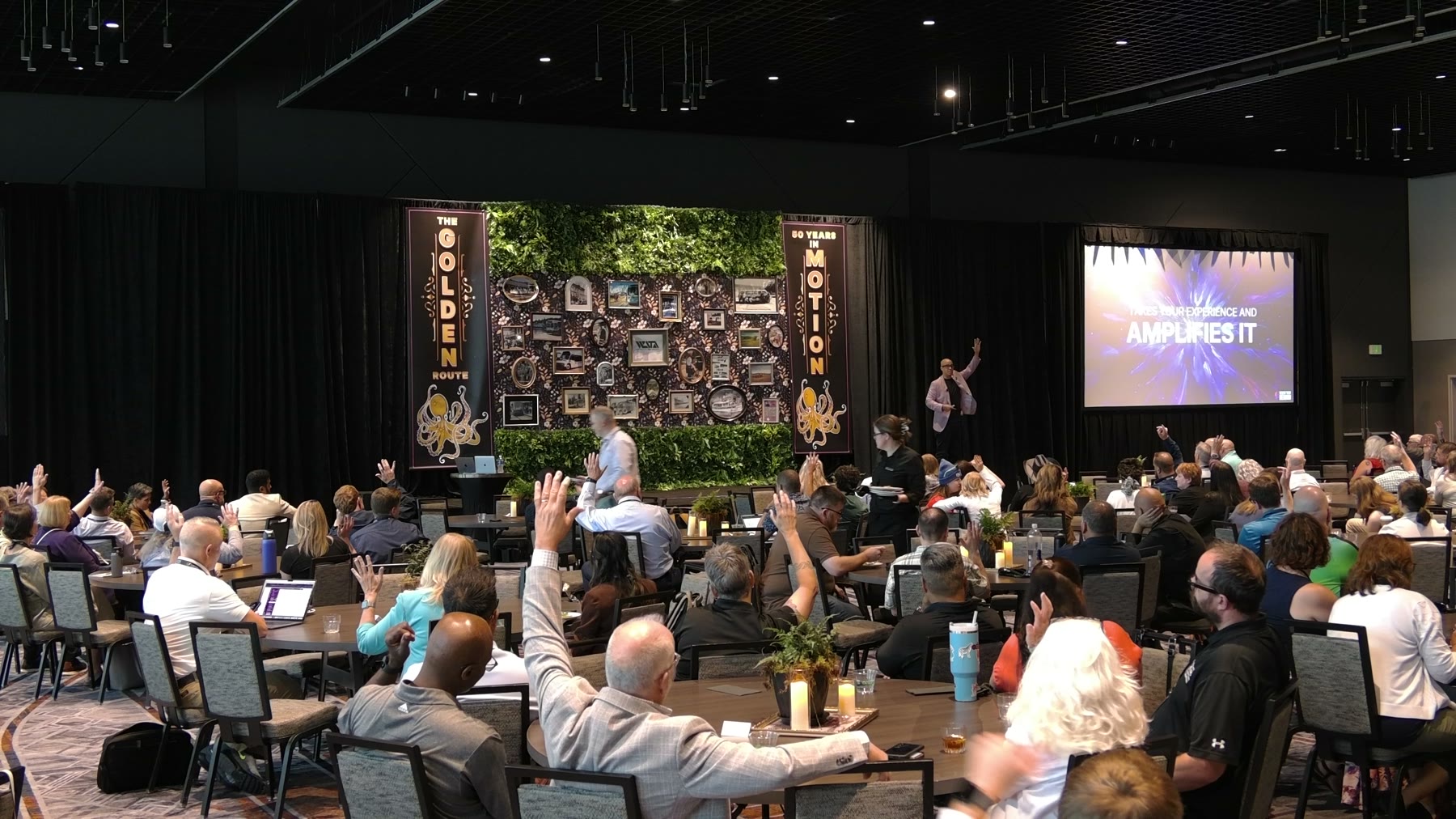
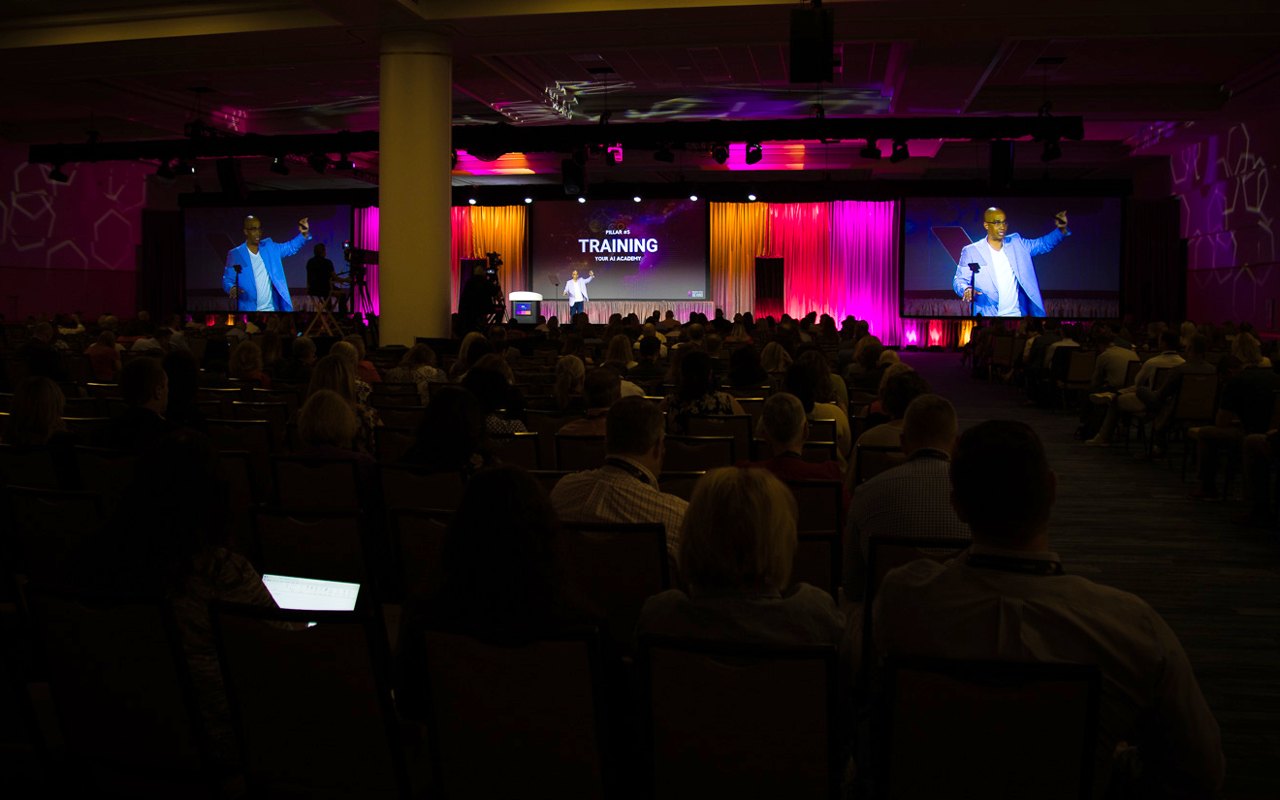
See Jordache in action
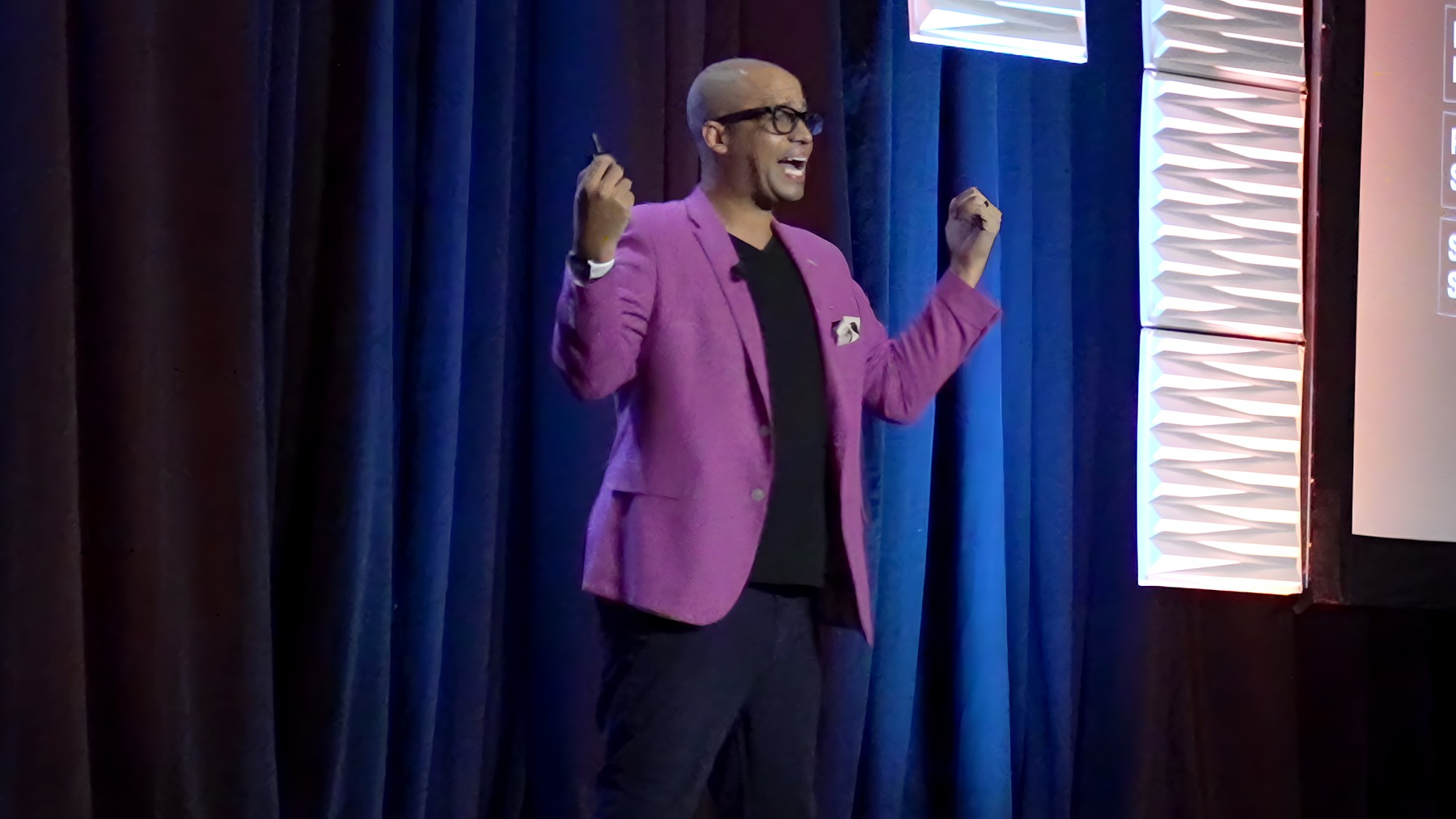
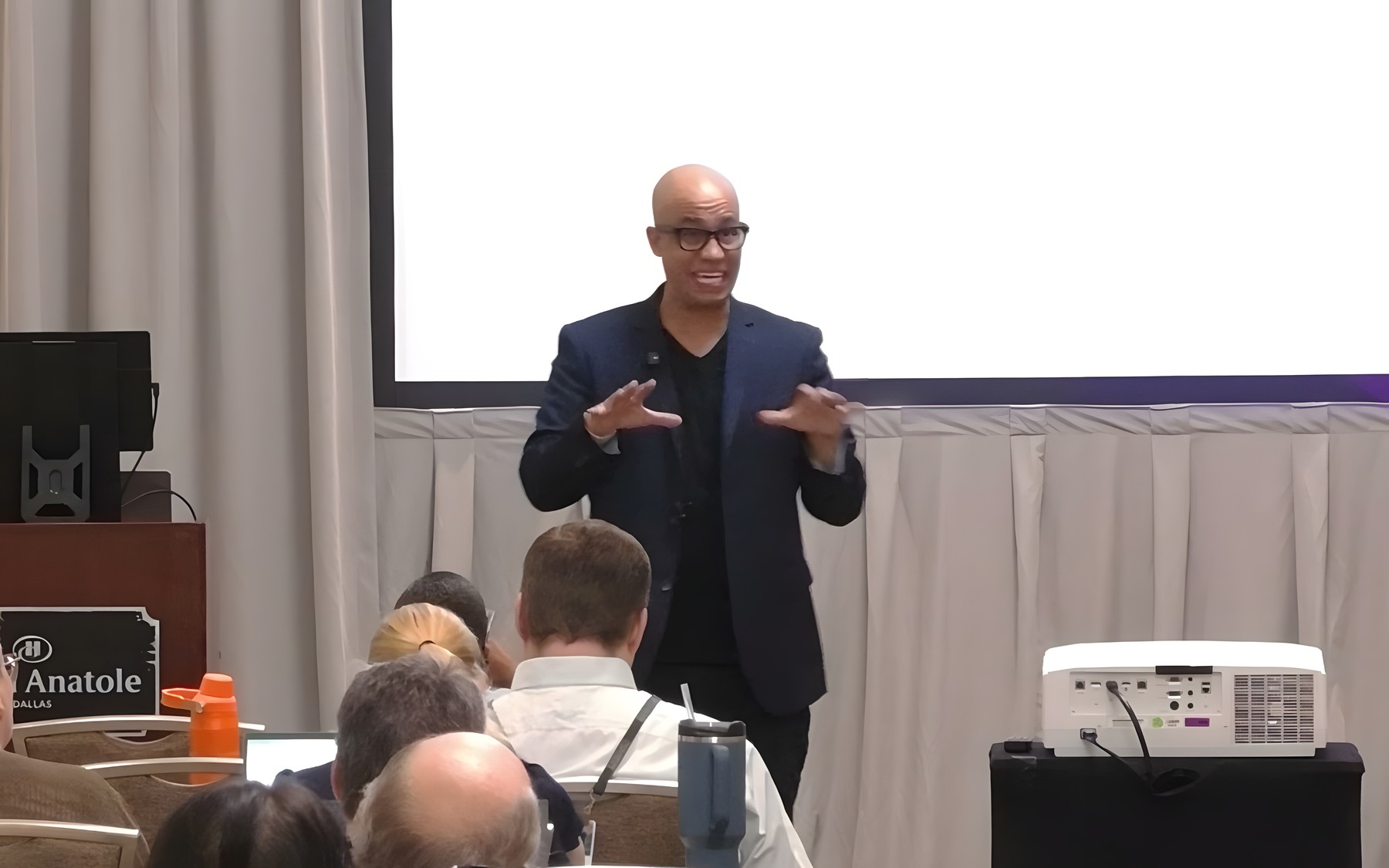
“Thank you! We truly appreciate the engagement and thoughtful perspective. It was energizing to see how quickly the conversation turned to real-world impact.”
What HR teams are facing.
HR is being asked to lead AI change while hiring volume climbs and managers run low.
- 52%
Left out of the strategy
In SHRM’s 2026 research, more than half of organizations don’t involve HR in AI strategy.
Source: SHRM, 1,908 HR professionals, December 2025
- 2x
Buried in applications
Recruiters are handling roughly twice the applications per job they did in 2022, with less than half the recruiting team. Two out of three HR leaders in a Robert Half survey say AI-written applications are slowing hiring down.
Source: Greenhouse platform data, 2022 to 2025; Robert Half, March 2026
- 22%
Managers running low
Manager engagement worldwide fell from 31% in 2022 to 22% in 2025. Only 8% of HR leaders think their managers have the skills to use AI well.
Source: Gallup, State of the Global Workplace 2026; Gartner, October 2025
- 19%
A thinner bottom rung
Stanford researchers find employment for 22- to 25-year-olds in the most AI-exposed jobs is about 19% below where it would be if it had kept pace with peers in less-exposed jobs. The gap comes mostly from companies hiring fewer young workers. They find no widespread job loss across the economy, and they present these as descriptive patterns that don’t establish cause.
Source: Stanford Digital Economy Lab, August 2026
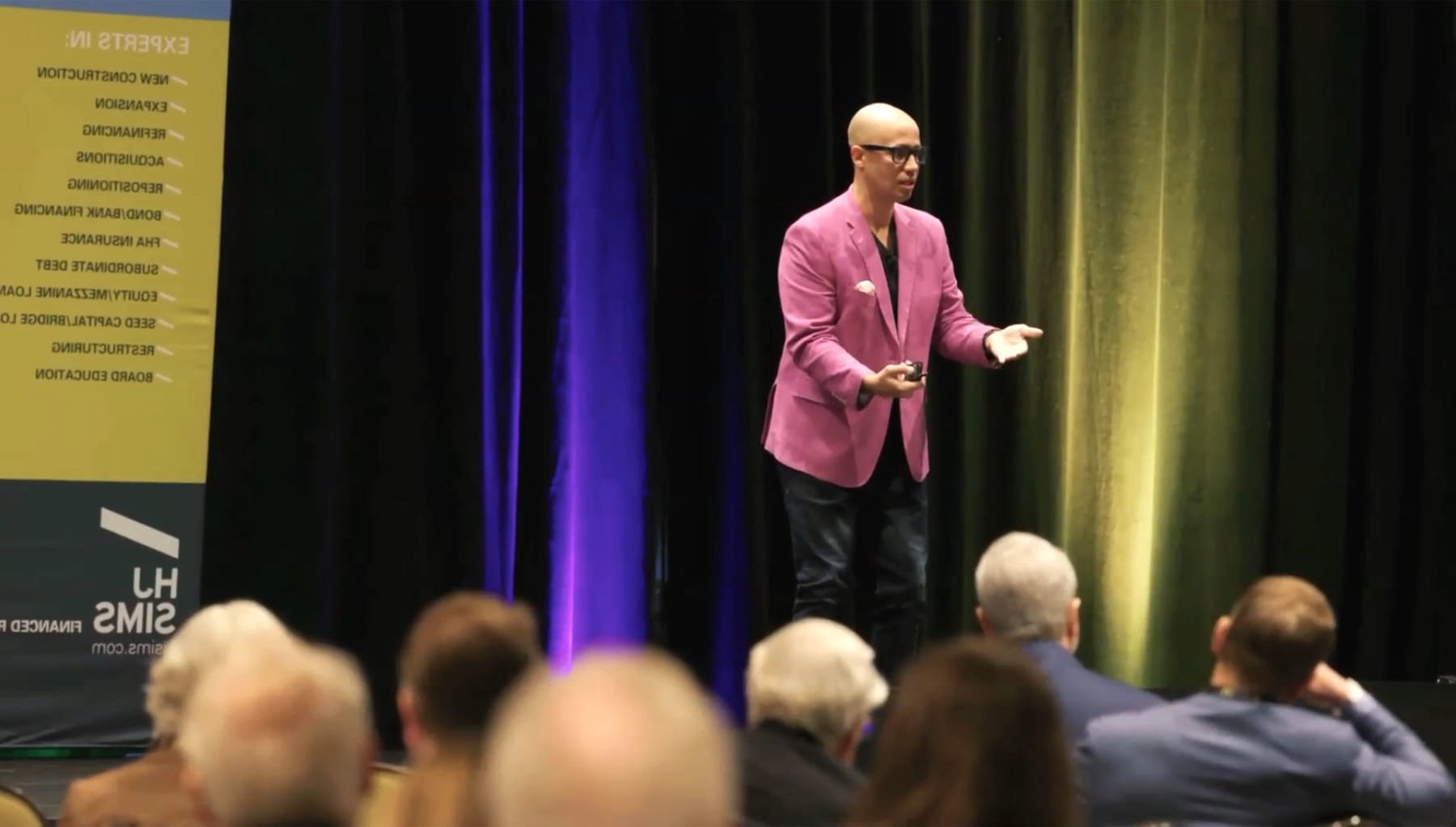
How Jordache sees it
In HR, AI should give recruiters and managers time back for judgment, and a person still owns every decision about a person.
HR owns the people side of AI and the people decisions the rules watch most closely. Yet it often isn’t at the table where AI strategy gets set. It can still bring the managers along. When managers actively support AI, employees are far more likely to use it, and far more likely to say it changed how work gets done (Gallup).
Gartner found 88% of HR leaders say their organizations haven’t realized significant business value from AI yet (Gartner, October 2025). That value is easier to spot once you’ve used AI on your own work. So the talks start there, with job postings and course drafts, well before AI goes near a decision about an applicant.
HR, talent and learning professionals, and the leaders who run those teams.
Your room
- CHROs and chief people officers
- VPs of HR
- Talent acquisition leaders
- Recruiters
- Sourcers and recruiting coordinators
- Chief learning officers
- L&D teams
- Instructional designers
- HR business partners
- HR generalists
- Compensation and benefits staff
- Employee relations and HR compliance staff
- People analytics staff
- Hiring managers
Your event
- State HR association conferences
- HR and talent development chapter meetings
- HR technology conferences
- CHRO roundtables
- L&D summits
- HR team offsites
- Company all-hands events
- Leadership offsites where HR co-leads the AI agenda
Formats
The rules in your world.
The AI rules HR already works within, in plain words. Jordache builds the talk with them in view. As of October 2026. General education from a non-lawyer, not legal advice or a substitute for the advice of an attorney. Confirm with your counsel.
Federal enforcement and lawsuits
- The EEOC’s AI guidance is gone, and the agency says it won’t litigate disparate impact cases. The law didn’t change. Private lawsuits and state laws are where the risk is now.
- As of October 2026, more than 15,000 people had opted into the age discrimination case against Workday’s screening tools. It hasn’t been decided.
State and city hiring rules
- Since January 1, 2026, Illinois law makes it a civil rights violation for an employer to fail to notify an employee that it uses AI in listed employment decisions. It reaches employers with as few as one employee in Illinois.
- Since 2020, Illinois has required employers hiring for Illinois-based jobs to tell applicants, explain, and get consent before AI analyzes a recorded video interview.
- In New York City, employers can’t use a covered automated hiring tool (one that substantially assists or replaces discretionary decisions) unless it had a bias audit within one year before use, the audit information is public, and the required notices were given. The city has enforced this since July 5, 2023.
- California SB 947, signed September 30, 2026 and operative July 1, 2027, bars an employer from relying solely on an automated decision system to discipline or fire someone, and requires human corroboration and written notice when it relies primarily on one.
- Colorado’s replacement law covers tools that materially influence employment decisions made on or after January 1, 2027, and its text has no small business exemption. It’s still settling: the Attorney General’s rules aren’t adopted yet, and enforcement is on hold under an April 2026 federal court order until after final rules and a court ruling.
If you have staff or candidates in the EU
- In the EU, AI that reads employees’ emotions at work has been banned since February 2025. The high-risk rules for hiring tools now start December 2, 2027.
Recording and records
- Recording laws vary by state, and some require everyone in the conversation to agree. Treat an AI notetaker as recording.
- AI transcripts, summaries and prompts can come out in a lawsuit. Once a lawsuit is reasonably foreseeable, the relevant ones have to be preserved.
“I’m incredibly grateful to Jordache for delivering such a powerful keynote at our event. His session on AI in the workplace was truly eye-opening and packed with practical, actionable insights. It wasn’t just informative. His energy was infectious, and his genuine personality made the content resonate even more. As someone who is always looking for ways to work smarter and more efficiently, I’m excited to start implementing some of the AI strategies and tools he shared into my own daily workflow. Thank you, Jordache, for inspiring our group and challenging us to think differently about how we adopt and scale AI within our organizations.”
Related industries
Questions planners ask.
Who is a good AI keynote speaker for an HR conference?
Jordache Johnson’s talks help HR leaders and talent and learning professionals hand AI the volume work and keep every decision about a person with a person. He also flags the employment rules that apply, including the EEOC’s enforcement shift and the state and city hiring laws.
What are practical AI uses for an HR team?
A common example is HR’s own drafting work, like job postings and course outlines, with a person reviewing before anything goes out. Decisions about candidates and employees stay with a person who can explain them.
Do we have to tell candidates and employees when AI is used in hiring?
Some state and city laws require it. Since January 1, 2026, Illinois law makes it a civil rights violation for an employer to fail to notify an employee that it uses AI in listed employment decisions. Since 2020, Illinois has required employers hiring for Illinois-based jobs to tell applicants, explain, and get consent before AI analyzes a recorded video interview. In New York City, employers can’t use a covered automated hiring tool (one that substantially assists or replaces discretionary decisions) unless it had a bias audit within one year before use, the audit information is public, and the required notices were given. As of October 2026. General education, not a substitute for the advice of an attorney; confirm with your counsel.
Can the talk be customized, delivered virtually, or run as a series?
Yes. Jordache builds every talk around your audience’s roles and examples. It can run in person or virtually as a keynote, a hands-on workshop, or both, or as a series of sessions before and after your conference.
What does it cost to book Jordache?
It depends on the format, the length and travel. Book a call and we’ll talk through your event.
Book Jordache for your HR conference, CHRO forum, HR team offsite or all-hands.
For CHROs and people leaders who want to use AI in their own work first: Executive AI Advisory