
AI keynote speaker forreal estate conferences
Practical AI for real estate leaders and the people whose name is on the listing, the lease and the deal.

The short answer
Jordache Johnson is an AI keynote speaker for real estate conferences. He helps brokerage leaders, agents, commercial teams and property managers use AI to draft and summarize the routine work, while pricing, advice and the name on the listing stay with people. His talks also flag the rules, including fair housing and altered listing photos.
Updated October 2026.
Where AI fits in real estate work.
Six examples of where real estate teams put generative AI to work. There are many more, and the talk is built around yours. What AI handles, and what stays with your people.
Listing descriptions and marketing
First drafts of listing descriptions, property websites, social posts and email campaigns.
What’s true about the property, the fair housing read on every word, and the name on the listing. NAR’s AI policy template says agents and staff are “fully accountable for any AI-generated content they use, share or publish.”
Listing photos and virtual staging
Adding furniture to empty rooms, removing clutter, sky and day-to-dusk edits.
A true picture of the property, and the disclosure. Since January 1, 2026, a California agent who digitally adds, removes or changes elements in a listing photo has to say so next to the image and link to the original. Routine edits like cropping and color correction don’t count, as long as they don’t change how the property is represented.
Client and lead follow-up
Drafting replies, follow-up emails and nurture messages.
The relationship, and the conversations that need a person. AI voice calls need consent.
Market summaries, CMAs and investment memos
Market summaries for clients, a first draft of the CMA for the agent to check, and first drafts of commercial investment memos and market reports.
The comps you trust, the price, and the read on the seller, the neighborhood or the deal.
Contracts, disclosures and leases
Summaries of disclosures, inspection reports, leases and HOA documents; key terms pulled from commercial leases; a list of purchase agreement deadlines for a person to confirm.
The deadlines, and the advice to the client.
Prospect and resident messages
Drafting answers to prospect questions, routine resident messages and maintenance request write-ups.
The tour, the upset resident, and every decision about who gets approved.

Four talks. Built for real estate rooms.

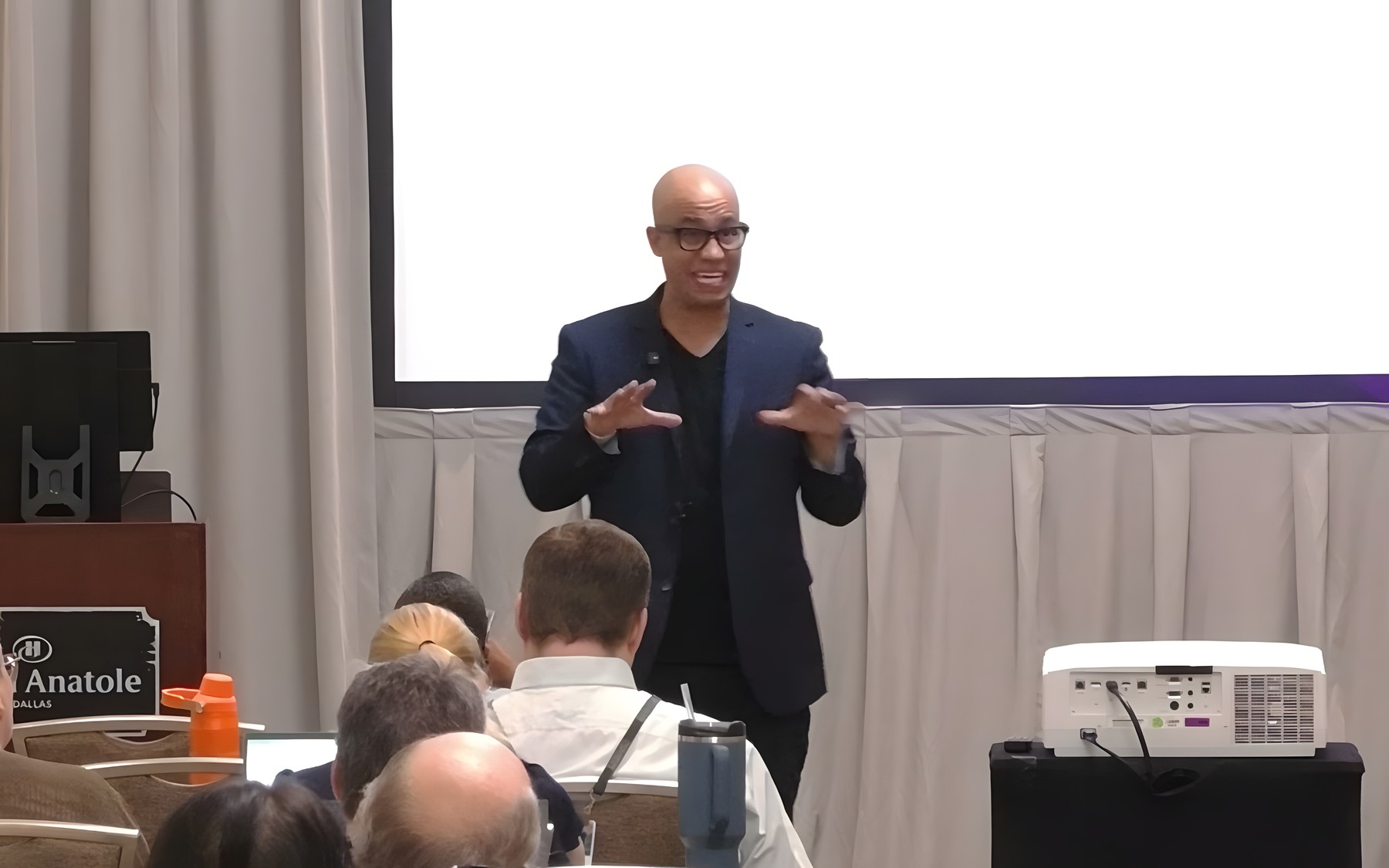


See Jordache in action
“Thank you! We truly appreciate the engagement and thoughtful perspective. It was energizing to see how quickly the conversation turned to real-world impact.”
What real estate teams are facing.
Sales are slow, commercial debt is under strain, and fraud losses are climbing. The talk starts from the pressure your members already feel.
- 3.99million
A slow sales market
Existing-home sales ran at a 3.99 million annual pace in September 2026. The median price was $417,500, up 1.3% from a year earlier.
Source: NAR, October 13, 2026
- 8.02%
Commercial debt under strain
The delinquency rate on commercial mortgage-backed securities in September 2026, the highest since late 2020, with office at 12.16%.
Source: Trepp, via Scotsman Guide, October 2026
- $275million
Fraud losses
Real estate fraud complaints to the FBI reached 12,368 in 2025, with $275 million in reported losses, up from $174 million in 2024. The category covers real estate investment, rental and timeshare fraud.
Source: FBI IC3 2025 report
- 16%
Buyers doubt AI
Only 16% of US prospective buyers trust AI tools to help find a home, down from 30% a year earlier.
Source: Cotality, a property-data vendor, Q1 2026
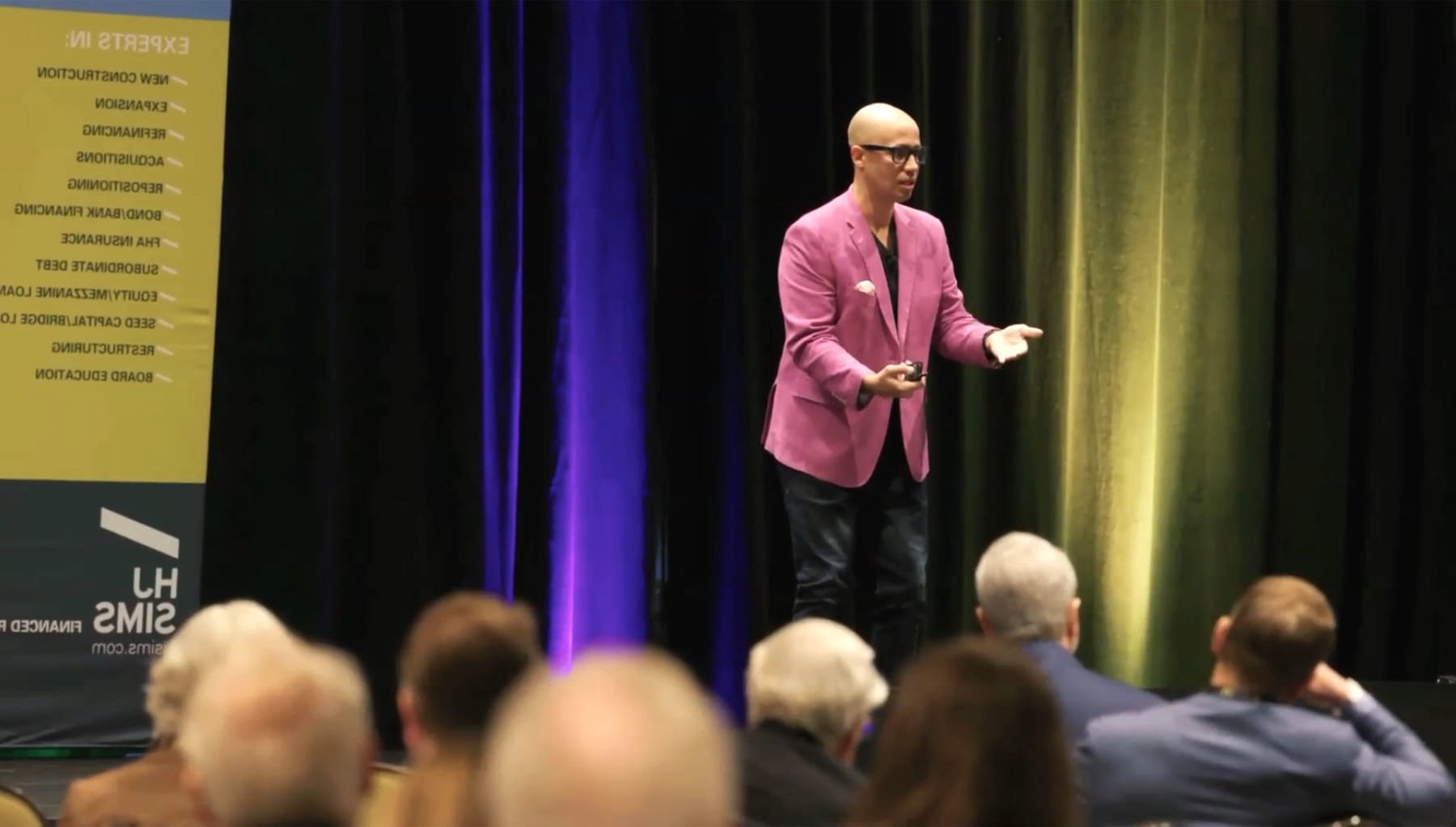
How Jordache sees it
In real estate, your name is on everything AI writes, and trust is what your clients buy.
AI can draft the listing description, summarize the disclosure packet and write the first version of the market summary. It can’t price the house, read the seller or walk the building. Hand AI the first drafts, check every word and every photo, and your people get more time with the clients who keep the referrals coming.
Agents are already using it. Nearly half of agents use AI daily or weekly (48%). About one in five (21%) hadn’t used it, down from 32% in 2025; 12% say they have no plans to. Source: NAR 2026 REALTORS Technology Report, June 2026 survey, 1,165 responses. So the talks stay practical: a few uses your people can test, inside the rules your work already lives by.
Brokers, agents, commercial teams and property managers, and the leaders who run them.
Your room
- Broker-owners
- Managing brokers
- Team leaders
- Agents
- Transaction coordinators
- Marketing staff
- Relocation and referral directors
- Commercial brokers and leasing agents
- Investment sales teams
- Analysts and asset managers
- Portfolio managers
- Development leads
- Corporate real estate and facilities leaders
- Regional and property managers
- Community managers
- Leasing teams
- Maintenance supervisors
- Building engineers
- Resident services staff
- Compliance staff
- Association and MLS staff
Mortgage and title partners are often in the room too.
Your event
- Local and state real estate association conventions
- Broker forums and member breakfasts
- Member days
- MLS user conferences
- Agent rallies and annual kickoffs
- Commercial real estate chapter luncheons and forecasts
- Apartment association conferences
- Property management leadership retreats
Formats
The rules in your world.
The AI rules real estate already works within, in plain words. Jordache builds the talk with them in view. As of October 2026. General education from a non-lawyer, not legal advice or a substitute for the advice of an attorney. Confirm with your counsel.
Fair housing
- HUD withdrew its 2024 guidance on AI and digital housing ads. The Fair Housing Act didn’t change, and HUD says actions that break it are still subject to enforcement.
- HUD’s 2024 tenant screening guidance, which covered AI, is unsettled. It was never formally withdrawn on the public record, but HUD no longer presents it as current; it sits in HUD’s archive. Still moving.
- HUD has proposed removing its disparate impact rule (January 2026, with a supplemental proposal in August 2026). There’s no final rule, and the rule is still on the books as of October 2026. Still moving.
Who’s responsible for what AI writes
- In California, the real estate regulator says that when an AI tool produces misleading advertising, responsibility rests with the licensee and their responsible broker, not the technology provider.
- NAR’s AI policy template says agents and staff are “fully accountable for any AI-generated content they use, share or publish.”
Listing photos
- Since January 1, 2026, a California agent who digitally adds, removes or changes elements in a listing photo has to say so next to the image and link to the original. Routine edits like cropping and color correction don’t count, as long as they don’t change how the property is represented.
- From January 1, 2027, California extends that rule to rental ads by anyone, including images made entirely by AI.
- Starting January 1, 2027, Wisconsin licensees must disclose advertising altered with technology, including AI, when it creates a false or misleading impression of the property.
- New York’s Department of State warned homebuyers in November 2025 about a “significant rise” in AI images used to sell homes. There’s no AI-specific New York statute yet. New York City has announced a disclosure rule for AI-altered rental listings that isn’t written yet, and New York State and New Jersey bills are pending. Still moving.
- MLS photo rules vary. Check yours.
Marketing and outreach
- Any public marketing of a listing starts Clear Cooperation’s one-business-day filing clock, no matter who or what wrote it. NAR’s examples include public-facing websites and email blasts, and some MLSs name social media outright. NAR’s rule doesn’t mention AI, so confirm how your MLS applies it.
- Since 2024 the FCC treats an AI-generated voice as an artificial voice. Those calls need consent. For telemarketing, FCC rules require prior express written consent.
- From November 25, 2026, a caller can limit opt-outs to one or more of three FCC-listed methods, if it says so clearly on each call or text. Otherwise any reasonable opt-out must be honored (FCC 26-67).
Tenant screening and rent pricing
- From 2027, Colorado’s new law covers AI that materially influences a decision to lease or buy a home in Colorado: notice up front, an explanation after a denial, and a way to fix wrong data and ask for human review. The attorney general’s enforcement is on hold under an April 2026 federal court order until after the state’s final rules and a court ruling. The rules weren’t adopted as of October 29, 2026. Still moving.
- Tenant screening reports are consumer reports. An AI score or recommendation from a screening company doesn’t remove the landlord’s adverse action duties (Fair Credit Reporting Act; confirm with counsel).
- A federal court entered the Justice Department’s settlement with RealPage on May 19, 2026. It bars using competitors’ nonpublic data in the software’s live rent recommendations, and limits model training to older data.
- New York’s ban on algorithmic rent-setting is partly on hold. A federal judge blocked its core section in September 2026, and the state has asked her to reconsider. Still moving.
Recording and records
- Recording laws vary by state, and some require everyone in the conversation to agree. Treat an AI notetaker as recording.
- AI transcripts, summaries and prompts can come out in a lawsuit. Once a lawsuit is reasonably foreseeable, the relevant ones have to be preserved.
Related industries
Questions planners ask.
Who is a good AI keynote speaker for a real estate conference?
Jordache Johnson builds his AI keynotes around the room. For real estate, that means agents, brokers, commercial teams and property managers use AI to draft and summarize, while pricing, advice and the name on the listing stay with people. He also flags the rules to take to your counsel, including fair housing, altered listing photos and consent for AI voice calls.
What are practical AI uses for agents and brokerages?
Common examples are tasks where a person already checks every word: first drafts of listing descriptions and social posts, follow-up emails, market summaries for clients, and summaries of disclosures, inspection reports and leases. Among agents who use AI, three in four use it to write listing descriptions (NAR 2026 REALTORS Technology Report). The price, the advice and the final wording stay with the agent.
Can agents use AI to write listing descriptions? Who’s responsible if it gets something wrong?
Yes, with a person checking every word, including the fair housing read. HUD withdrew its 2024 guidance on AI and digital housing ads, but the Fair Housing Act didn’t change, and HUD says actions that break it are still subject to enforcement. NAR’s AI policy template says agents and staff are “fully accountable for any AI-generated content they use, share or publish.” In California, the real estate regulator says that when an AI tool produces misleading advertising, responsibility rests with the licensee and their responsible broker, not the technology provider. As of October 2026. General education, not a substitute for the advice of an attorney; confirm with your counsel.
Is virtual staging allowed? What do we have to disclose?
Since January 1, 2026, a California agent who digitally adds, removes or changes elements in a listing photo has to say so next to the image and link to the original. Routine edits like cropping and color correction don’t count, as long as they don’t change how the property is represented. From January 1, 2027, California extends that rule to rental ads by anyone, including images made entirely by AI. Starting the same day, Wisconsin licensees must disclose advertising altered with technology, including AI, when it creates a false or misleading impression of the property. MLS rules vary, so check yours. As of October 2026. General education, not a substitute for the advice of an attorney; confirm with your counsel.
Can we use AI calling or texting for prospecting?
Since 2024 the FCC treats an AI-generated voice as an artificial voice. Those calls need consent. For telemarketing, FCC rules require prior express written consent. From November 25, 2026, a caller can limit opt-outs to one or more of three FCC-listed methods, if it says so clearly on each call or text. Otherwise any reasonable opt-out must be honored (FCC 26-67). As of October 2026. General education, not a substitute for the advice of an attorney; confirm with your counsel.
Can our property management company use AI tenant screening?
Tenant screening reports are consumer reports, so an AI score from a screening company doesn’t remove the landlord’s adverse action duties. That comes from the Fair Credit Reporting Act; confirm with counsel. From 2027, Colorado’s new law covers AI that materially influences a decision to lease or buy a home in Colorado: notice up front, an explanation after a denial, and a way to fix wrong data and ask for human review. The attorney general’s enforcement is on hold under a federal court order until after the state’s final rules and a court ruling. HUD’s 2024 tenant screening guidance is unsettled: never formally withdrawn, but no longer presented as current. As of October 2026. General education, not a substitute for the advice of an attorney; confirm with your counsel.
What does it cost to book Jordache?
It depends on the format, the length and travel. Book a call and we’ll talk through your event.
Book Jordache for your association convention, broker forum, agent rally or leadership retreat.
For brokerage owners, commercial real estate principals and property management leaders who want to use AI in their own work first: Executive AI Advisory