
AI keynote speaker forenergy and utility conferences
Practical AI for utility leaders and the crews, operators and agents doing the work, on a grid where safety comes first.
The short answer
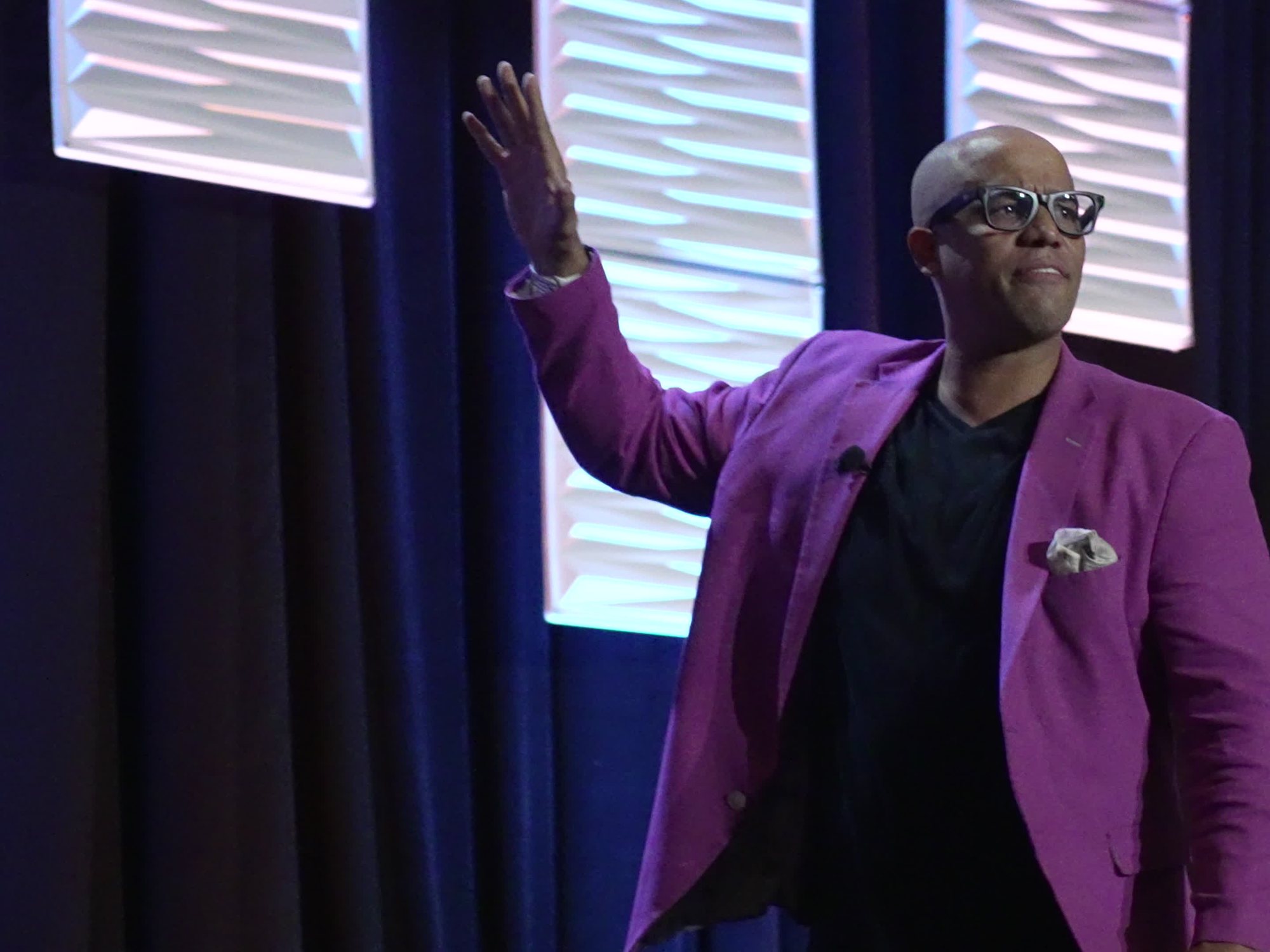
Jordache Johnson is an AI keynote speaker for energy and utility conferences. He helps utility leaders and their teams find where AI gives experienced people time and better information, while anything that touches the grid or a customer’s bill stays with a person. His talks also flag the rules, including how NERC CIP access rules apply to AI tools.
Updated October 2026.
Where AI fits in utility work.
Four examples of where utility teams put AI to work. There are many more, and the talk is built around yours. What AI handles, and what stays with your people.
Contact center call summaries
Drafting call summaries and wrap-up codes, and help for the agent during the call.
The conversation with the customer. Some utilities keep AI behind the agent, out of the customer’s view. Recording laws vary by state, and some require everyone on the call to agree.
Manuals and know-how search
Searching manuals and procedures, and a first draft that captures what retiring workers know.
What years in the field taught them, and the final word on any procedure.
Regulatory reports
First drafts of regulatory reports.
What goes to the regulator, and the explanation behind it.
Customer notices and letters
First drafts of customer communications.
What the customer reads, and the explanation behind it.
Four talks. Built for utility rooms.
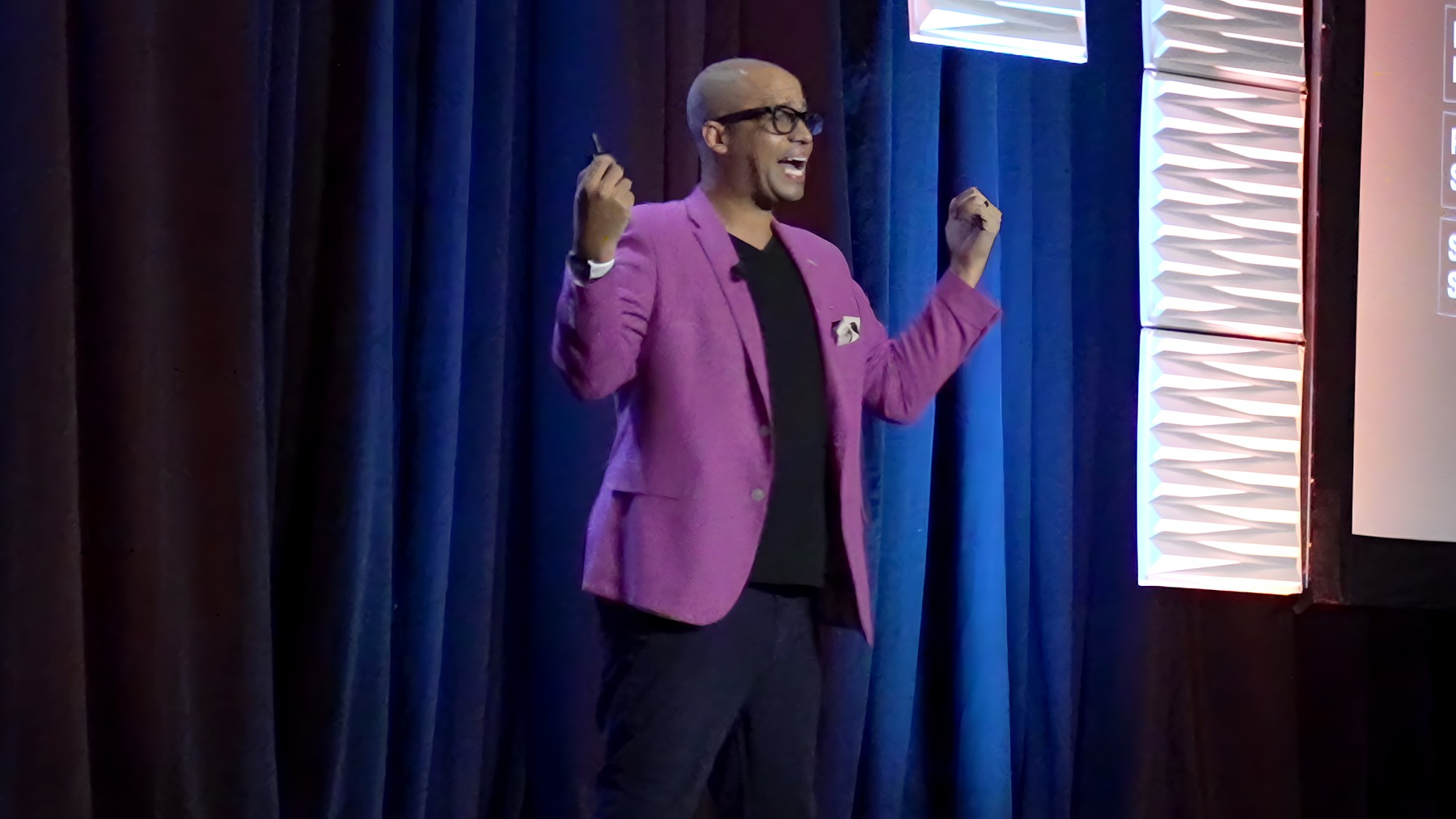
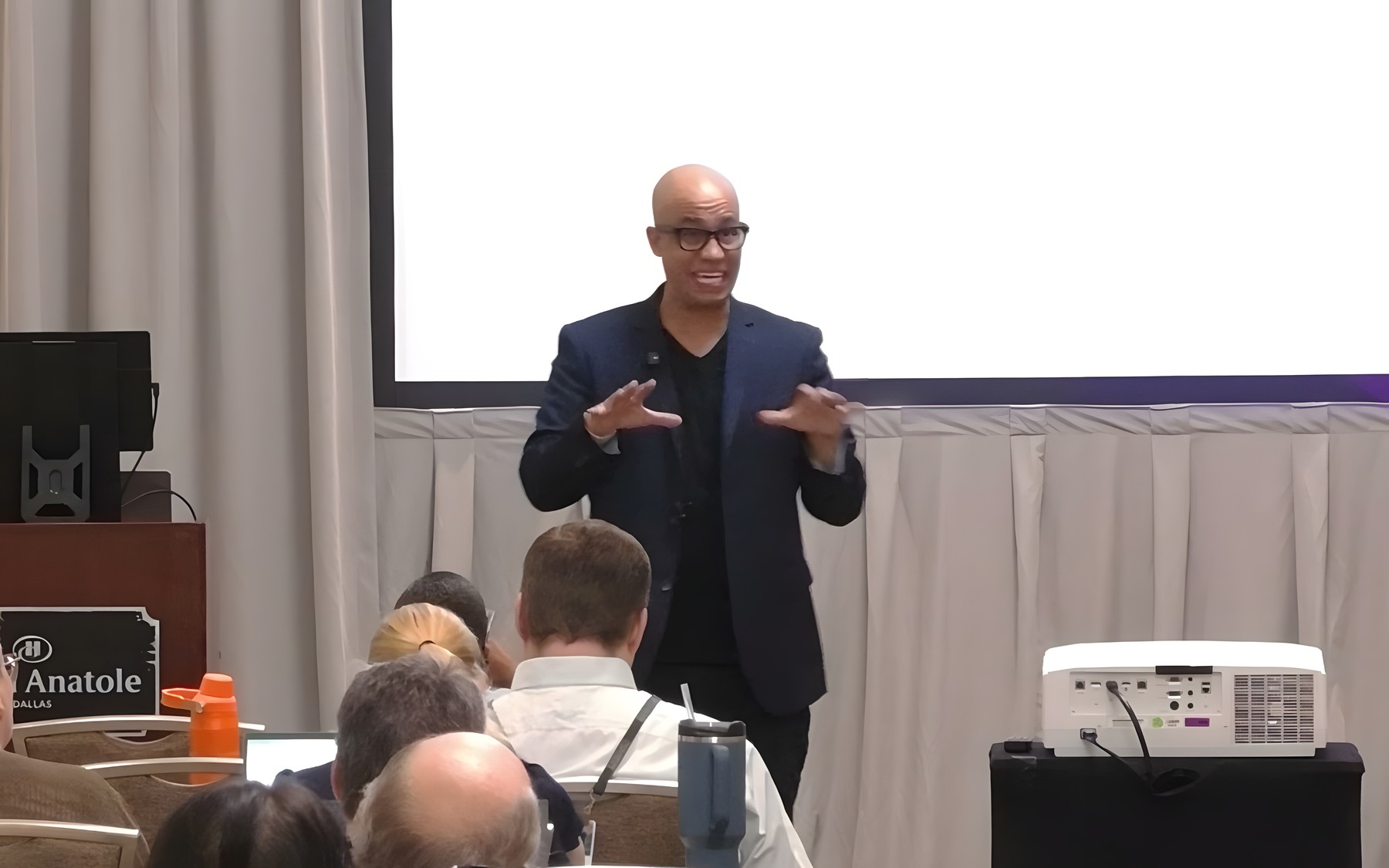
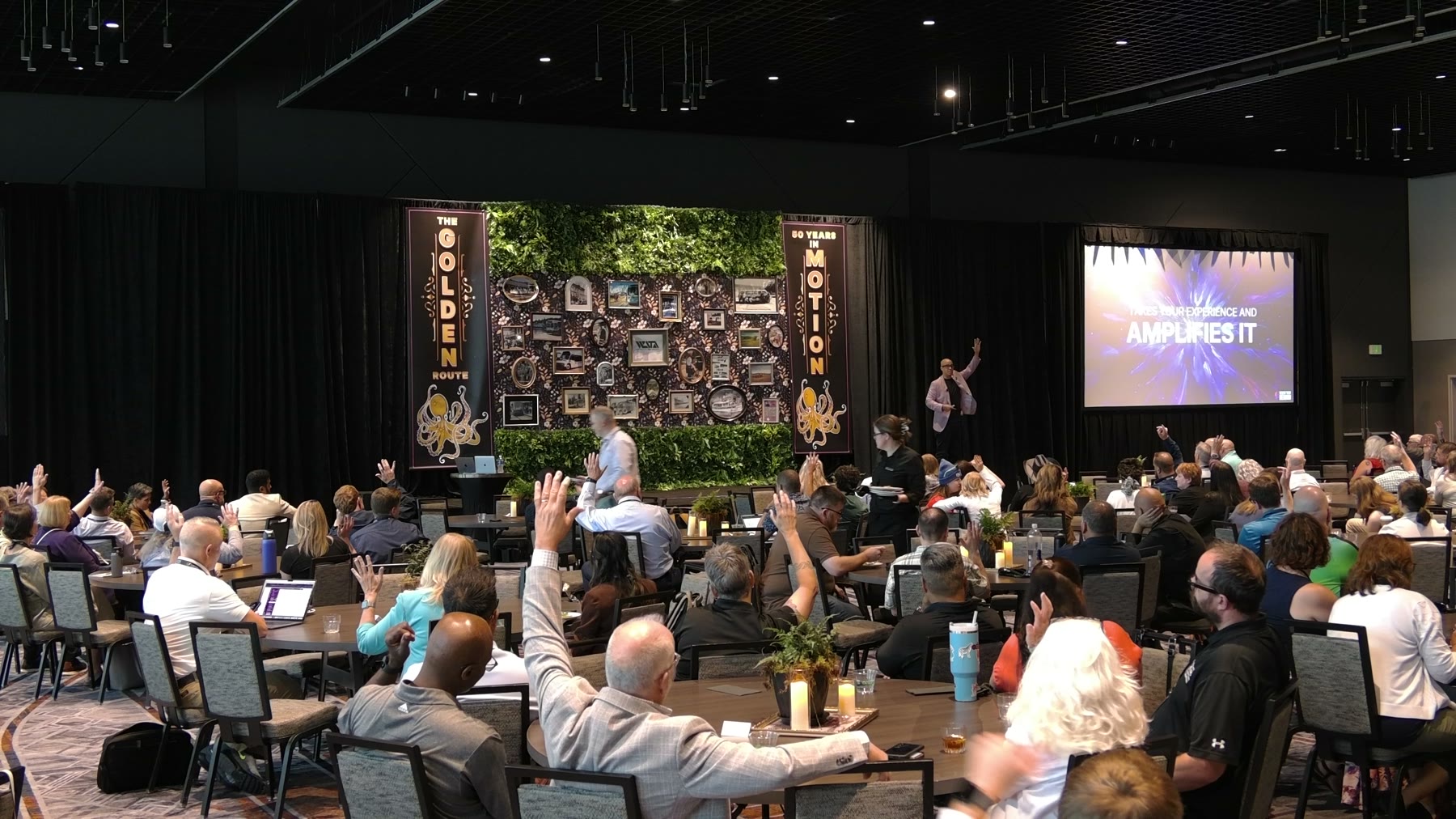
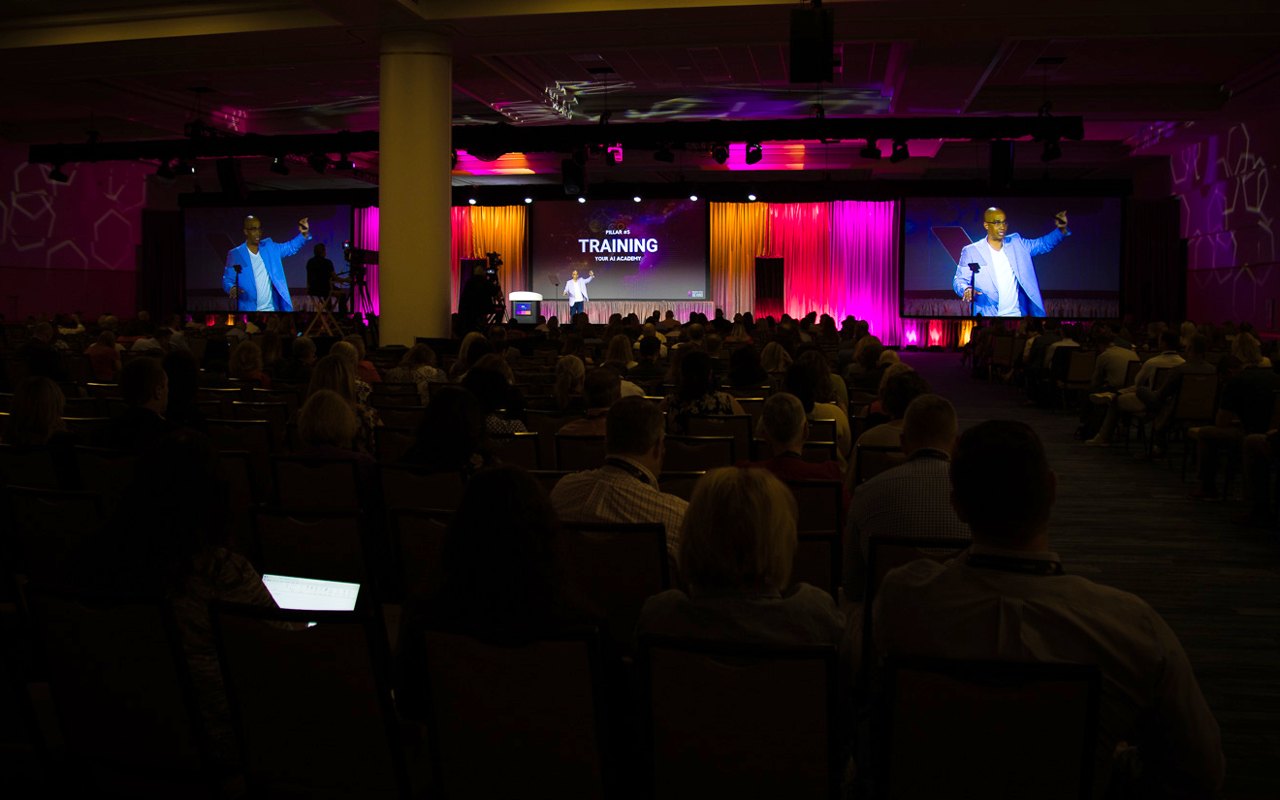
See Jordache in action
“You opened my eyes at the keynote. I was blown away at your breakout session. Literally blown away.”
What utilities are facing.
Utilities are being asked to carry more load, with people who are hard to replace, while customers push back on rising bills.
- 224GW
Load growth
NERC expects summer peak demand to grow by more than 224 gigawatts over the next ten years, mostly from new data centers. That forecast is about 69 percent higher than the year before.
Source: NERC 2025 LTRA, January 2026
- 13of 23
Supply risk
By one count of NERC’s risk map, 13 of its 23 assessment areas face elevated or high supply risk in the next five years.
Source: POWER magazine on the NERC LTRA, January 2026
- $23billion+
Rising bills
Utilities asked for more than 23 billion dollars in electric and gas rate increases in the first three quarters of 2026. EIA expects record U.S. electricity use in 2026, and residential prices up about five percent this year.
Source: PowerLines, consumer advocacy nonprofit, October 2026; EIA STEO, September and October 2026
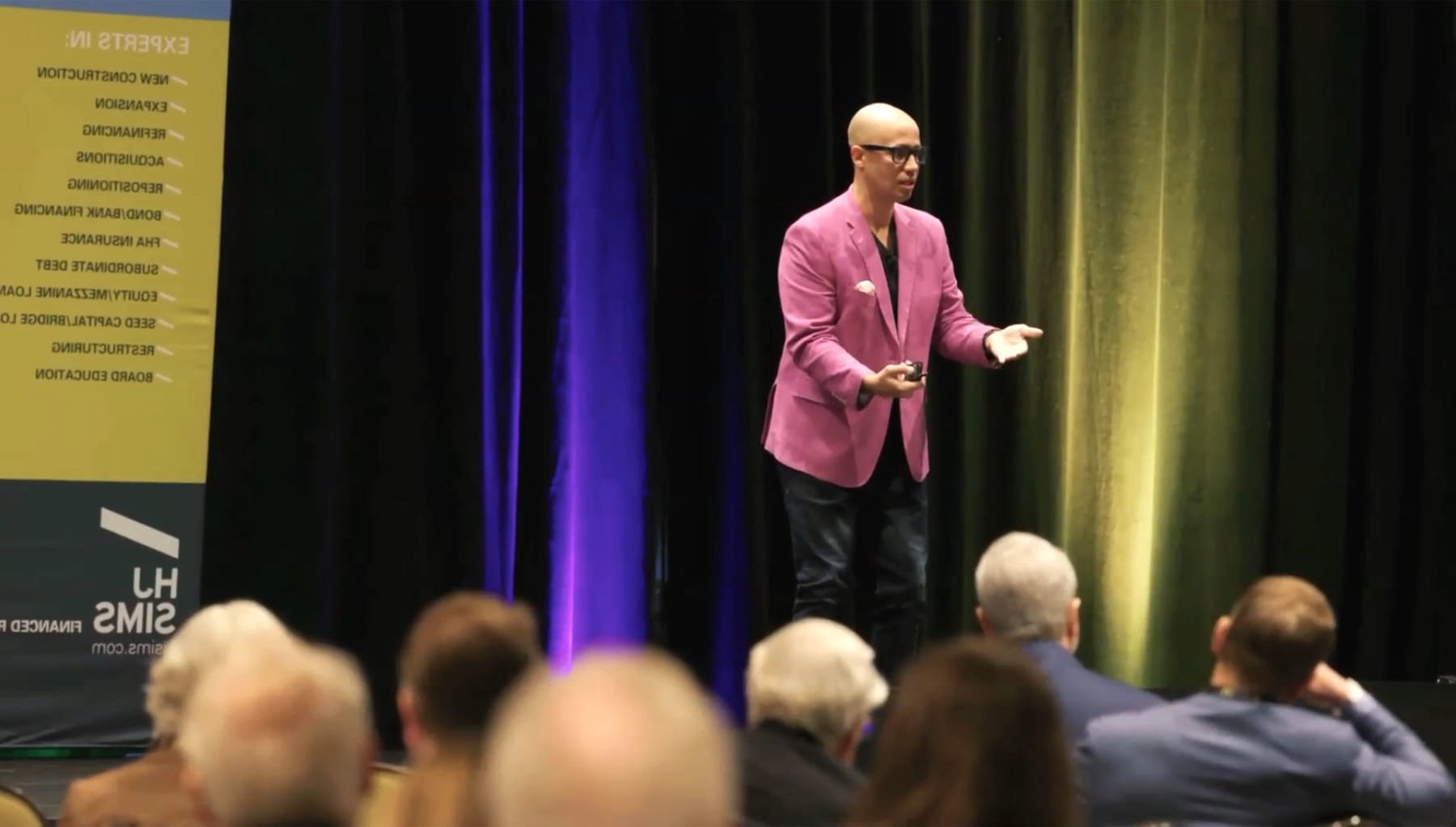
How Jordache sees it
At a utility, AI should give your people time and better information, inside the rules that protect the grid.
Your field crews and control room operators work where mistakes are dangerous, and they’re hard to replace. The IEA says line worker shortages are especially acute in utilities, because of high retirement rates, hard working conditions and a thin apprentice pipeline (IEA World Energy Employment 2025). So the tool supports the person on the pole or at the console, and that person makes the call.
One public power utility uses AI to summarize calls for its agents and cut about twenty seconds of wrap-up per call, without putting a bot in front of customers (APPA, July 2026). The safest examples sit away from operational systems: call summaries for your contact center, and document search over manuals and procedures. Measure each one before you decide what to keep.
Electric and gas utility leaders at investor-owned utilities, cooperatives and public power, and the teams who run the grid and serve customers.
Your room
- Utility executives and senior managers
- Co-op CEOs
- Co-op board directors
- Municipal utility general managers
- Mayors and city council members
- Chief customer officers
- CHROs and workforce development leads
- Operations, engineering and grid planning leaders
- Lineworkers and field crews
- Control room operators
- Customer service and contact center managers
- Contact center agents
- Safety leaders
- Key accounts managers
- Regulatory affairs staff
- IT and OT security teams
Key accounts managers are the ones handling data center requests.
Your event
- National utility association meetings
- State co-op and municipal association conferences
- CEO and director conferences
- Customer service and key accounts workshops
- Safety summits
- Cybersecurity conferences
- Financial and accounting conferences
- Internal leadership retreats
Formats
The rules in your world.
The AI rules utilities already work within, in plain words. Jordache builds the talk with them in view. As of October 2026. General education from a non-lawyer, not legal advice or a substitute for the advice of an attorney. Confirm with your counsel.
NERC CIP and AI tools (for entities with bulk electric system obligations)
- FERC staff say the cybersecurity standards don’t explicitly allow or prohibit AI tools. The existing access, information-protection and supply-chain rules apply.
- FERC’s auditors found AI chatbots and assistants inside protected grid networks, and said access through those tools has to be authorized like any other access. Most utilities they audited already had controls.
- The access rule FERC cites is CIP-004-7 (R4 to R6). FERC staff also recommend limiting AI tools’ access to BES Cyber System Information (CIP-011), assessing AI vendors in CIP-013 supply chain plans, and using the NIST AI Risk Management Framework. The report is staff guidance; the CIP requirements it cites are mandatory.
- FERC approved CIP-015-2, which extends internal monitoring to access-control and physical-access systems outside the perimeter, on August 10, 2026.
- The Order 919 virtualization standards take effect July 1, 2028. They include CIP-004-8, which will replace CIP-004-7. Plans for AI near operational systems have to fit the version in force.
- A September 2026 executive order has federal agencies write “SI” (Super Intelligence) in place of “AI.” FERC’s audit report already does, so search federal sources for both terms. Existing regulations, including the CIP standards, still say AI.
Regulators asking what AI you run
- In New York, regulators gave major utilities 60 days to file an inventory of every AI use case and the policies that govern them (NY PSC, September 2026).
- Connecticut’s AG and Consumer Counsel petitioned PURA on October 13, 2026 for a review of AI use by public utilities. It’s open as Docket 26-10-11, Eversource and Avangrid have responded, and PURA hadn’t ruled as of October 30, 2026.
Voluntary federal guidance
- Federal guidance for AI in operational technology comes down to four things: understand it, assess the use case, govern it, and build in safety and security, including human oversight (CISA and partners, December 2025).
Recording and records
- Recording laws vary by state, and some require everyone in the conversation to agree. Treat an AI notetaker as recording.
- AI transcripts, summaries and prompts can come out in a lawsuit. Once a lawsuit is reasonably foreseeable, the relevant ones have to be preserved.
Related industries
Questions planners ask.
Who is a good AI keynote speaker for an energy or utility conference?
Jordache Johnson’s talks help utility leaders and their teams put AI to work where it gives experienced people time and better information, while grid and billing decisions stay with a person. He flags the rules in play, including how NERC CIP access rules apply to AI tools and the AI use inventories New York regulators now require of major utilities.
Where is AI actually working at utilities right now?
Mostly in narrow tools that support people. Utility executives say the industry is a long way from letting AI take actions on physical infrastructure. Most of today’s tools support human decisions (Utility Dive reporting, October 2026). Common uses include contact center help, search over manuals and procedures, and first drafts of regulatory reports and customer communications. One public power utility uses AI to summarize calls for its agents and cut about twenty seconds of wrap-up per call, without putting a bot in front of customers (APPA, July 2026).
How do we use AI without putting our NERC CIP compliance at risk?
FERC staff say the cybersecurity standards don’t explicitly allow or prohibit AI tools. The existing access, information-protection and supply-chain rules apply. FERC’s auditors found AI chatbots and assistants inside protected grid networks, and said access through those tools has to be authorized like any other access. Most utilities they audited already had controls. In plain words: if an AI assistant can reach a protected system or its information, that access needs the same authorization a person’s would. As of October 2026. General education, not a substitute for the advice of an attorney; confirm with your counsel and your CIP compliance lead.
What would we show regulators if they asked for an inventory of our AI use?
In New York, regulators gave major utilities 60 days to file an inventory of every AI use case and the policies that govern them (NY PSC, September 2026). A useful frame for that inventory is federal guidance for AI in operational technology, which comes down to four things: understand it, assess the use case, govern it, and build in safety and security, including human oversight (CISA and partners, December 2025). Co-ops can also start from NRECA’s updated sample AI policy (August 2026), which covers risk tiers and agentic AI and suggests naming a staff “human-in-the-loop.”
How do we capture what our retiring lineworkers and operators know?
One example: AI can make your manuals, procedures and after-action notes searchable, and your experienced people can check and add to what it finds. The IEA says line worker shortages are especially acute in utilities, because of high retirement rates, hard working conditions and a thin apprentice pipeline (IEA World Energy Employment 2025).
Can the talk be customized, delivered virtually, or run as a series?
Yes. Jordache builds every talk around your audience’s roles and examples, whether it’s a co-op board or a customer service team. It can run as a keynote, a hands-on workshop, or both, in person or as a virtual session, or as a series before and after your conference.
What does it cost to book Jordache?
It depends on the format, the length and travel. Book a call and we’ll talk through your event.
Book Jordache for your utility conference, association meeting, safety summit or leadership retreat.
For utility CEOs, co-op general managers and board directors who want to use AI in their own work first: Executive AI Advisory