
AI keynote speaker forgovernment agency and public sector conferences
Practical AI for public sector leaders and the staff doing the work, who stand behind every decision in public.
The short answer
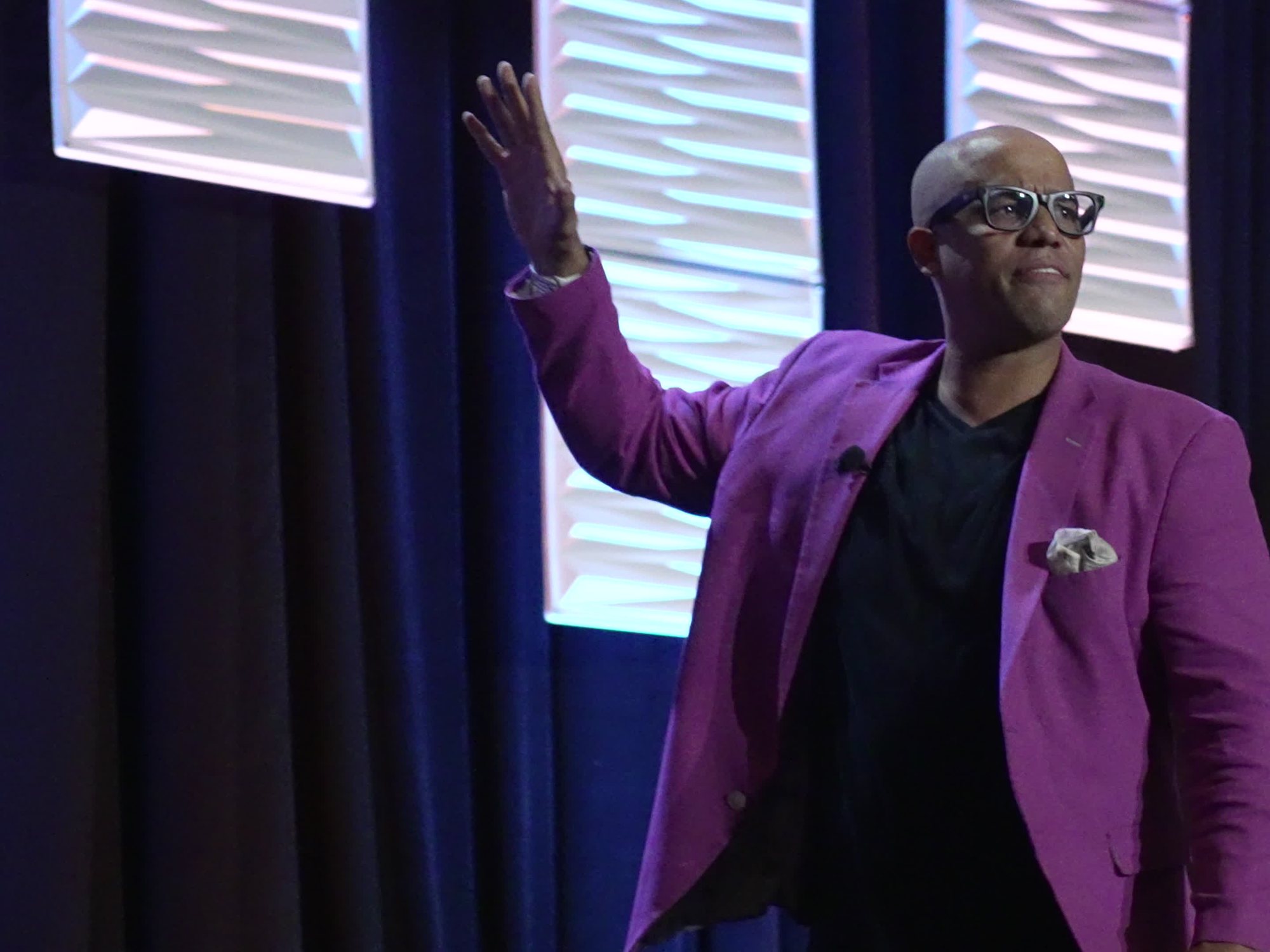
Jordache Johnson is an AI keynote speaker for government agencies and public sector conferences. He helps state and local government leaders and their staff put AI to work on the paperwork while every public decision stays with a person who can explain it. His talks also flag the rules to take to your counsel, including public records and AI disclosure to residents.
Updated October 2026.
Where AI fits in state and local government work.
Five examples of where state and local government teams put AI to work. There are many more, and the talk is built around yours. What AI handles, and what stays with your people.
Drafting and research
First drafts of letters, resident replies and policy text, plus summaries and research.
The fact check and the final word. In Washington, an AI chat about public business is a public record for retention purposes, even on a personal account.
Meeting notes and summaries
Transcripts, summaries and first drafts of meeting notes.
What goes in the official record. Recording a private conversation in Washington needs everyone’s consent. An AI notetaker on a private call is a recording.
Resident service and 311
Answering residents’ common questions and taking service requests, by chat or voice.
The residents who need a person, and any decision about their rights or benefits. In Texas, a government agency that offers residents an AI system has to tell them it’s AI, even if that’s obvious. If a voice agent records or transcribes the call, recording laws apply too.
HR work
First drafts of job descriptions and interview questions.
The hiring decision, and the check for bias.
Translation and language access
Translating notices, replies and web content.
The check on every translation that reaches a resident. If AI translates for you, accuracy is on you.
Four talks. Built for public sector rooms.
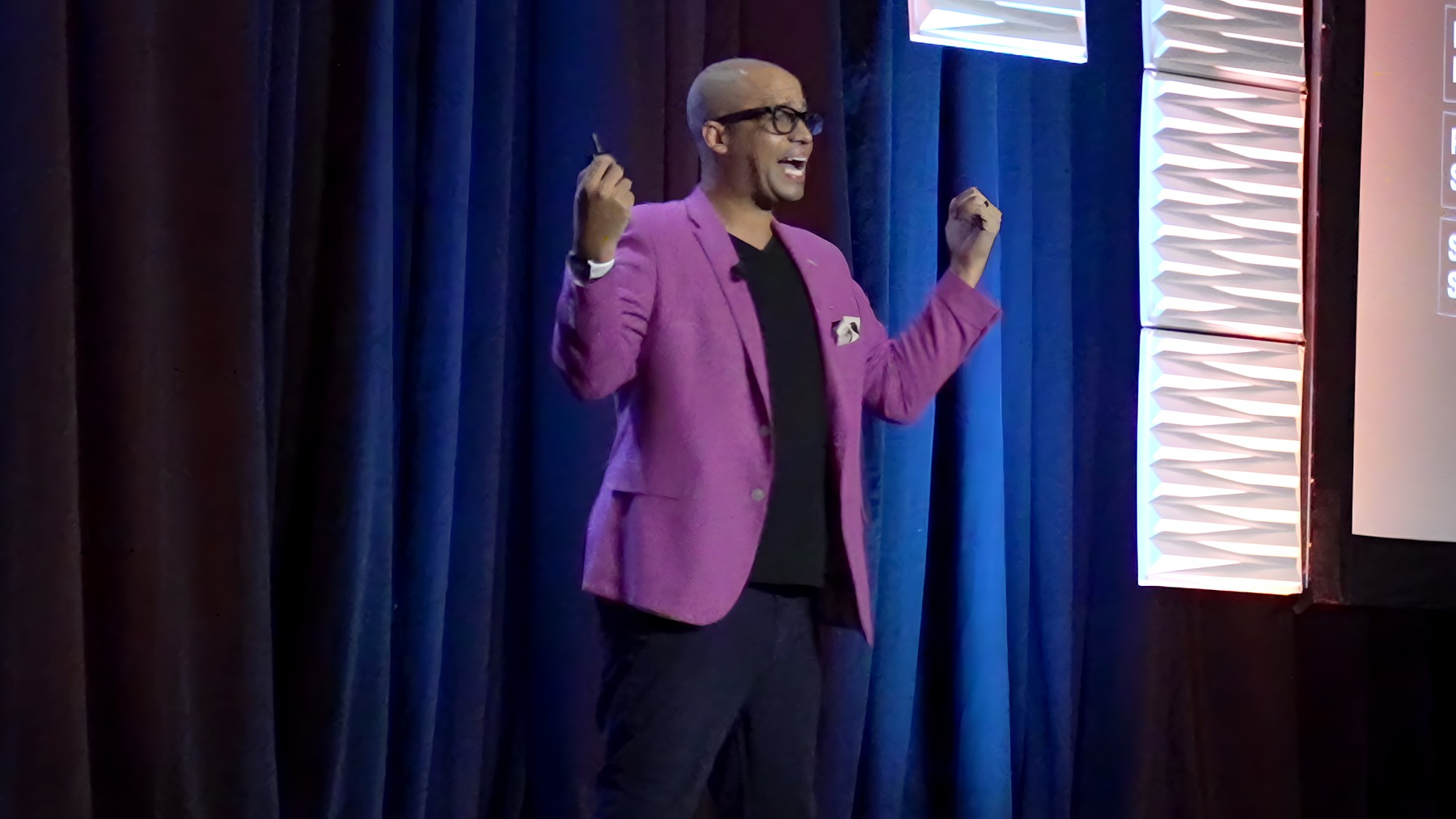
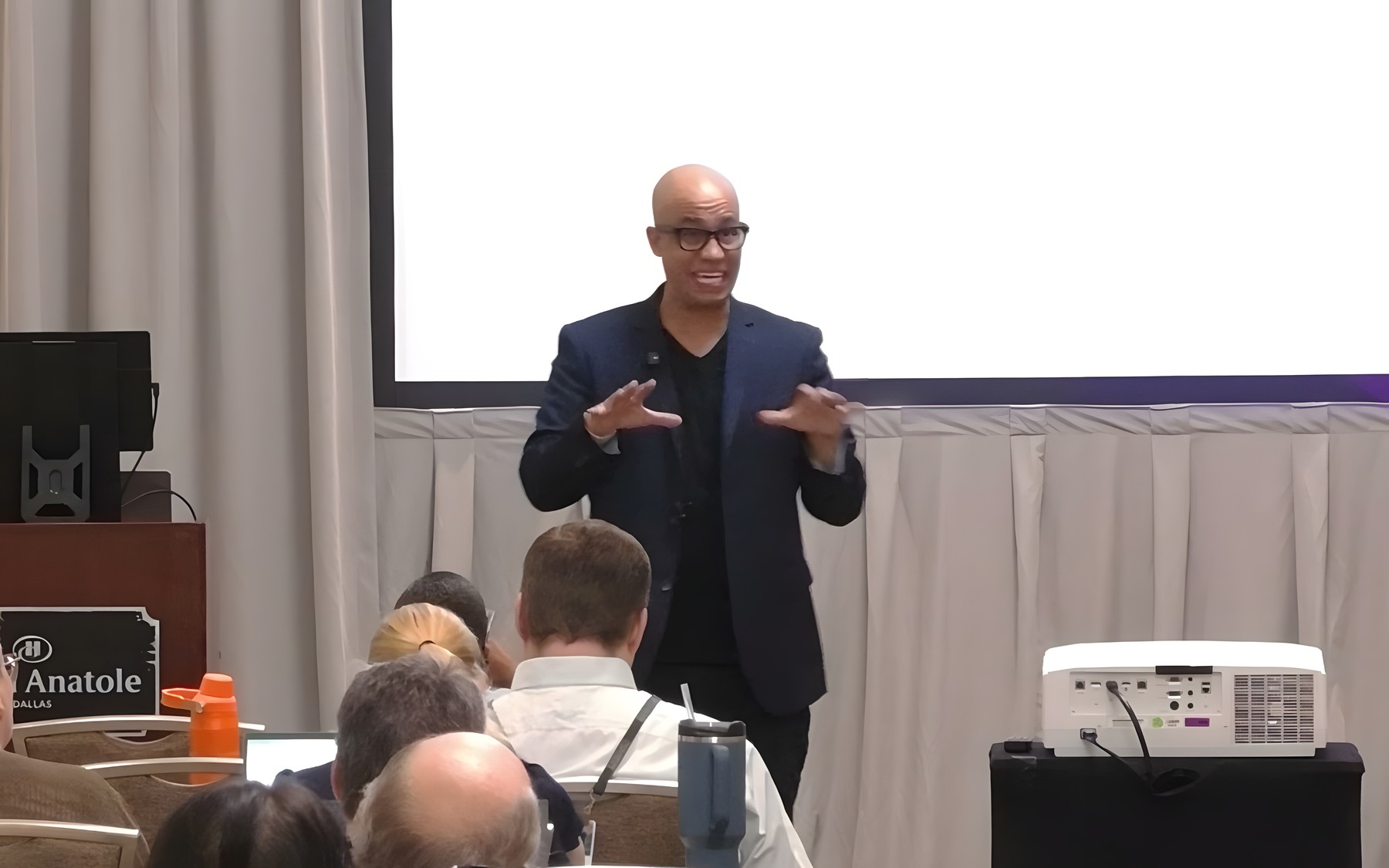

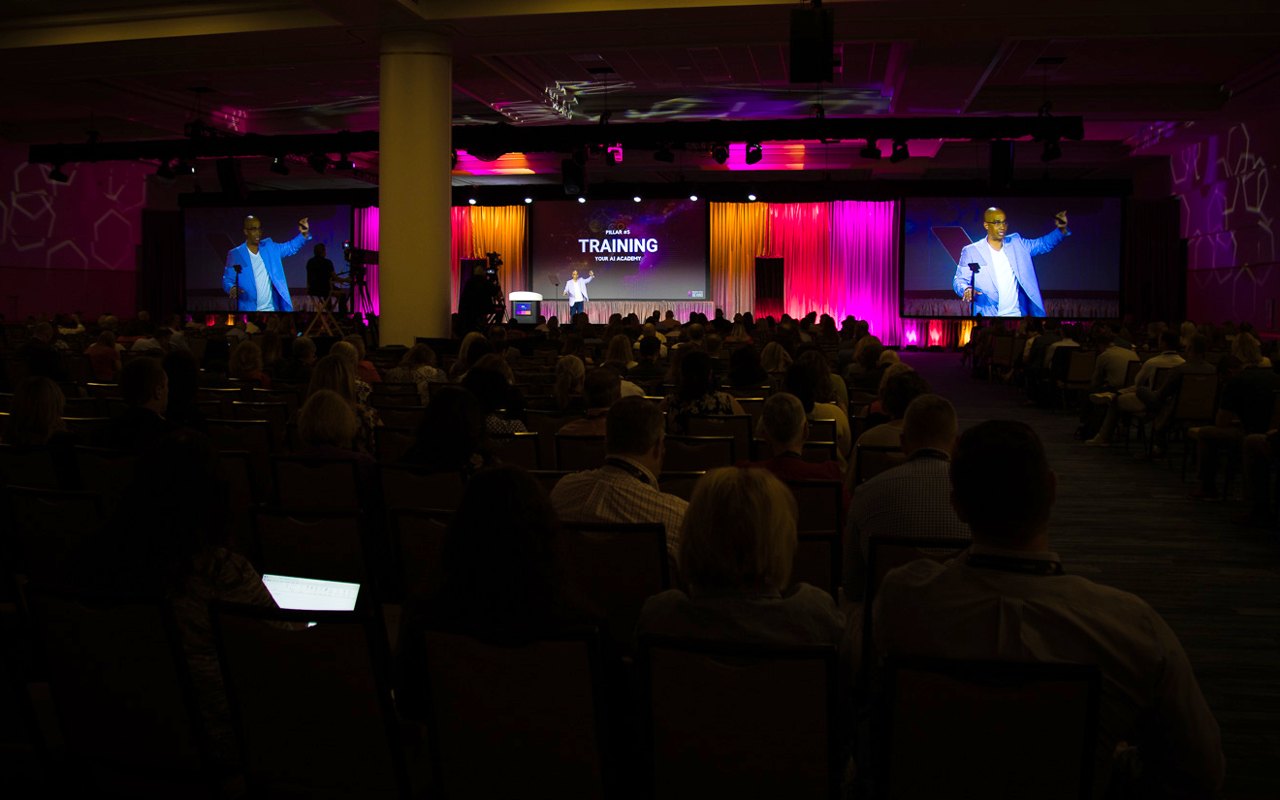
See Jordache in action
“Jordache, your presentation was energetic and highly informative. It gave me a new and positive view of AI and I look forward to using it more in the future!”
What state and local governments are facing.
State and local leaders are being asked to adopt AI fast and govern it carefully, often with no new money.
- 46%
Staff got there first
In a survey of about 2,000 state and local employees, 46 percent use AI at work, 17 percent daily. 62 percent got no training from their employer, and 28 percent say AI output is rarely or never reviewed.
Source: MissionSquare, January 2025
- 45%
Tight budgets
Only 45 percent of city finance officers felt optimistic about meeting FY2026 needs, down from 64 percent. The federal cybersecurity grant program for states and localities ran out of authority September 30, 2026.
Source: NLC, November 2025; grant status as of October 2026
- 53%
A thin bench
53 percent of state and local HR shops have no formal succession planning process. One in five state and local employees is very or extremely concerned about job loss or retraining.
Source: 2026 State and Local Workforce Survey, 606 HR managers; MissionSquare, January 2025
- 2in 3
Trust to protect
Two-thirds of Americans trust their local government. Two-thirds have little or no confidence in the U.S. government to regulate AI effectively.
Source: Gallup, September 2026; Pew, February 2026
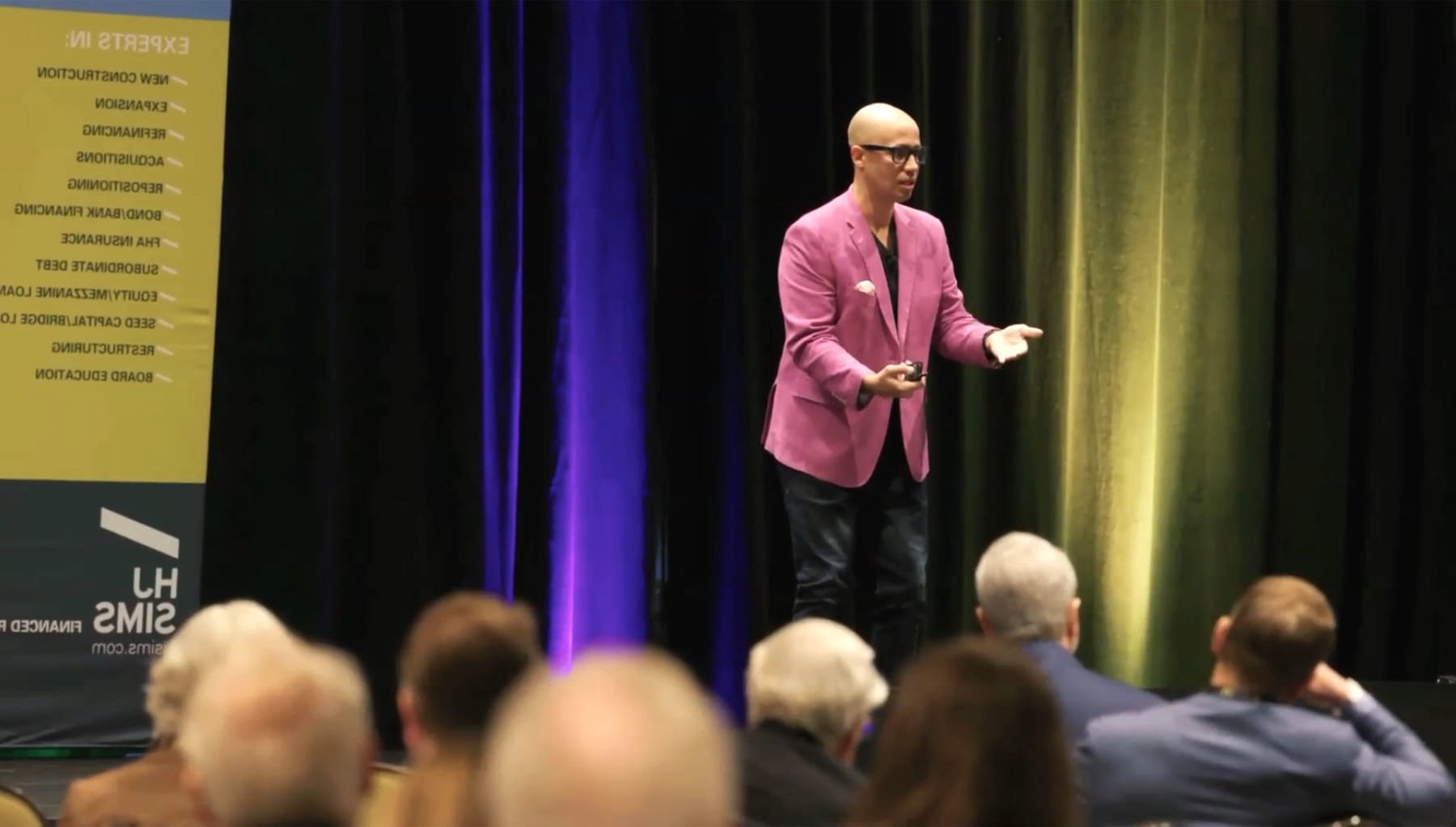
How Jordache sees it
Public servants are already using AI, so the leader’s first job is to catch up with what staff do, while the public watches.
AI is the No. 1 priority for state CIOs for the first time, ending cybersecurity’s 12-year run (NASCIO, December 2025). Down the hall, staff are drafting and summarizing with it, often by their own choice. So Jordache starts where your people are: the drafting they already do, with a person who owns the review. A small public pilot, reported with its limits, earns trust faster than a big announcement.
Pennsylvania’s 175-person ChatGPT pilot reported 95 minutes saved per day, self-reported (Commonwealth of Pennsylvania, March 2025). That’s a promising number, and the honest way to share it is with “self-reported” attached.
State and local government leaders, their teams, and the staff who carry the AI questions day to day.
Your room
- City managers
- Assistant city managers
- County administrators and assistants
- State agency executives
- Department heads
- Department staff
- Public works, planning and permitting leaders
- Parks, libraries and human services leaders
- Finance and HR leaders
- Police and fire command staff
- CIOs, CISOs and data officers
- AI officers
- Clerks and records officers
- Public records staff
- Public information officers
- Mayors and council members
- County commissioners
- State legislators and their staff
About half of states have someone with “AI” in their title (NASCIO).
Your event
- State municipal league and county association conferences
- City and county manager association meetings
- Regional manager meetings
- CIO forums
- Legislative staff trainings
- Council and commission retreats
- Leadership retreats
- All-staff days
- Finance, HR and clerks’ association meetings
- Internal AI kickoffs and in-service days
Formats
The rules in your world.
The AI rules state and local governments already work within, in plain words. Jordache builds the talk with them in view. As of October 2026. General education from a non-lawyer, not legal advice or a substitute for the advice of an attorney. Confirm with your counsel.
Federal AI policy and your state
- Federal AI memos M-25-21 and M-25-22 bind federal agencies only. Cities, counties and states can use them as a model.
- The December 2025 executive order goes after state AI laws. Its proposal to Congress leaves out a state’s own purchasing and use of AI. An executive order can’t erase a state law by itself, and Congress hasn’t passed a preemption law. Commerce’s list of “onerous” state laws was due in March. We found no published list as of late October 2026.
Federal rules that reach state and local governments
- Your website, apps and any chatbot on them have to meet WCAG 2.1 AA by April 26, 2027 if you serve 50,000 or more people, or April 26, 2028 if you’re smaller or a special district.
- Federal agencies have dropped disparate-impact liability from their Title VI rules. Intentional discrimination is still banned, outcome data can still show intent, and state anti-discrimination laws and the ADA still apply.
- Federal language-access guidance was withdrawn and its replacement is overdue. Denying language help can still be evidence of discrimination, and state laws still apply. If AI translates for you, accuracy is on you.
- Federal grant money can’t buy Hikvision, Dahua or Hytera cameras for public safety or critical infrastructure surveillance, or Huawei and ZTE telecom gear.
State examples (check your own state’s rules)
- In Texas, a government agency that offers residents an AI system has to tell them it’s AI, even if that’s obvious. Since March 2026, Texas state agencies, cities, counties and special districts must adopt the state’s AI code of ethics, name an AI Risk Officer, and risk-assess high-stakes AI before turning it on.
- Washington state agencies must name an AI Contact, train every employee on AI every year, and include a clause that a union contract wins where it conflicts with AI policy.
- In Washington, an AI chat about public business is a public record for retention purposes, even on a personal account.
- Recording a private conversation in Washington needs everyone’s consent. An AI notetaker on a private call is a recording.
- From October 1, 2026, Connecticut agencies can’t use AI for public benefits or rights-affecting decisions unless it meets state standards, and they must post the impact assessment 60 days before go-live.
If your agency handles criminal justice information
- Criminal justice information can go only into environments that meet the CJIS Security Policy. Assume a general AI tool doesn’t meet it unless your CJIS Systems Officer confirms it does. The CJIS Security Policy is at version 6.1 (June 2026).
Recording and records
- Recording laws vary by state, and some require everyone in the conversation to agree. Treat an AI notetaker as recording.
- AI transcripts, summaries and prompts can come out in a lawsuit or a public records request. Once a lawsuit is reasonably foreseeable, the relevant ones have to be preserved.
“I was agnostic on AI. I’d played with ChatGPT and that was about the extent of it. You opened my eyes at the keynote, and I was blown away at your breakout session. Literally blown away. Two takeaways: AI is easier to use than I thought, and it will help you figure out what you want. It truly was an aha moment for me.”
Related industries
Questions planners ask.
Who is a good AI keynote speaker for government agencies, public sector leaders and their teams?
Jordache Johnson’s talks help state and local government leaders and their staff use AI on the paperwork while every public decision stays with a person who can explain it. He flags the rules that apply to a government’s own AI use, including public records and AI disclosure to residents, and how they differ by state.
What are practical AI uses in local government?
The most common use is drafting, summarizing and research: letters, resident replies and policy drafts. Others are resident service and 311 chat, meeting notes and summaries, HR work like job descriptions, and translation. Each one still needs a person who owns the review.
Our staff are already using ChatGPT on their own. Do we ban it, buy it, or write a policy first?
It’s already happening. More than half of state and local employees say using AI was their team’s own choice, and 62 percent got no training from their employer (MissionSquare). Learn what your people use and for what. Then decide what needs a policy and who reviews the output.
Are AI prompts and outputs public records?
In Washington, an AI chat about public business is a public record for retention purposes, even on a personal account. Check your own state’s records guidance with your records officer and counsel. As of October 2026. General education, not a substitute for the advice of an attorney; confirm with your counsel.
Do we have to tell residents when they’re talking to a chatbot?
In Texas, a government agency that offers residents an AI system has to tell them it’s AI, even if that’s obvious. Everywhere, your website, apps and any chatbot on them have to meet WCAG 2.1 AA by April 26, 2027 if you serve 50,000 or more people, or April 26, 2028 if you’re smaller or a special district. As of October 2026. General education, not a substitute for the advice of an attorney; confirm with your counsel.
Isn’t the federal government about to override state AI laws?
The December 2025 executive order goes after state AI laws. Its proposal to Congress leaves out a state’s own purchasing and use of AI. An executive order can’t erase a state law by itself, and Congress hasn’t passed a preemption law. So the rules your state has set for its own agencies still apply. As of October 2026. General education, not a substitute for the advice of an attorney; confirm with your counsel.
Can the talk be customized, delivered virtually, or run as a series?
Yes. Jordache builds every talk around your audience’s roles and examples, whether it’s a league conference or a council retreat. It can run as a keynote, a hands-on workshop, or both, in person or as a virtual session, or as a series before and after your conference.
What does it cost to book Jordache?
It depends on the format, the length and travel. Book a call and we’ll talk through your event.
Book Jordache for your league conference, county association meeting, CIO forum, leadership retreat or all-staff day.
For city and county managers and agency heads who want to use AI in their own work first: Executive AI Advisory