
AI keynote speaker foreducation conferences
Practical AI for school and college leaders and their educators, so the time it saves goes back to students.

The short answer
Jordache Johnson is an AI keynote speaker for education conferences. He helps school and college leaders, teachers and staff use AI to give educators time back for students, while the judgment stays with educators. His talks also flag the rules schools work under, including FERPA and the states that now require district AI policies.
Updated October 2026.
Where AI fits in school and college work.
Six examples of where school and college teams put AI to work. There are many more, and the talk is built around yours. What AI handles, and what stays with your people.
Lesson prep and course materials
First drafts of lesson plans, worksheets and course materials, and versions adapted for different student needs.
What fits the students in front of them, and the time with those students.
Newsletters and family messages
First drafts of school newsletters and general family messages, and translations.
The tone with each family, and the conversations that need a person. A note about one student can be a student record, so those stay out.
Feedback and assessments
First-pass feedback on student drafts, and quiz and assessment questions.
The grade, and any question about whether the work is the student’s own. Student records go only into tools the school has approved under FERPA’s terms.
IEP and 504 meeting prep
Prep notes for IEP and 504 meetings, and plan summaries.
The plan itself, built for this one student. An IEP is developed by the team in a meeting, and it has to be individualized. An AI draft can’t stand in for that.
Policy drafts
First drafts of policy language.
The decisions inside the policy, and how it’s explained to staff and families. A growing list of states now require districts to adopt an AI policy.
Student services questions
Answering routine questions about admissions, financial aid and advising, by chat.
The advising conversation, and every student who needs a person. Every college in federal student aid has to protect aid data under the FTC Safeguards Rule.

Four talks. Built for school and college rooms.
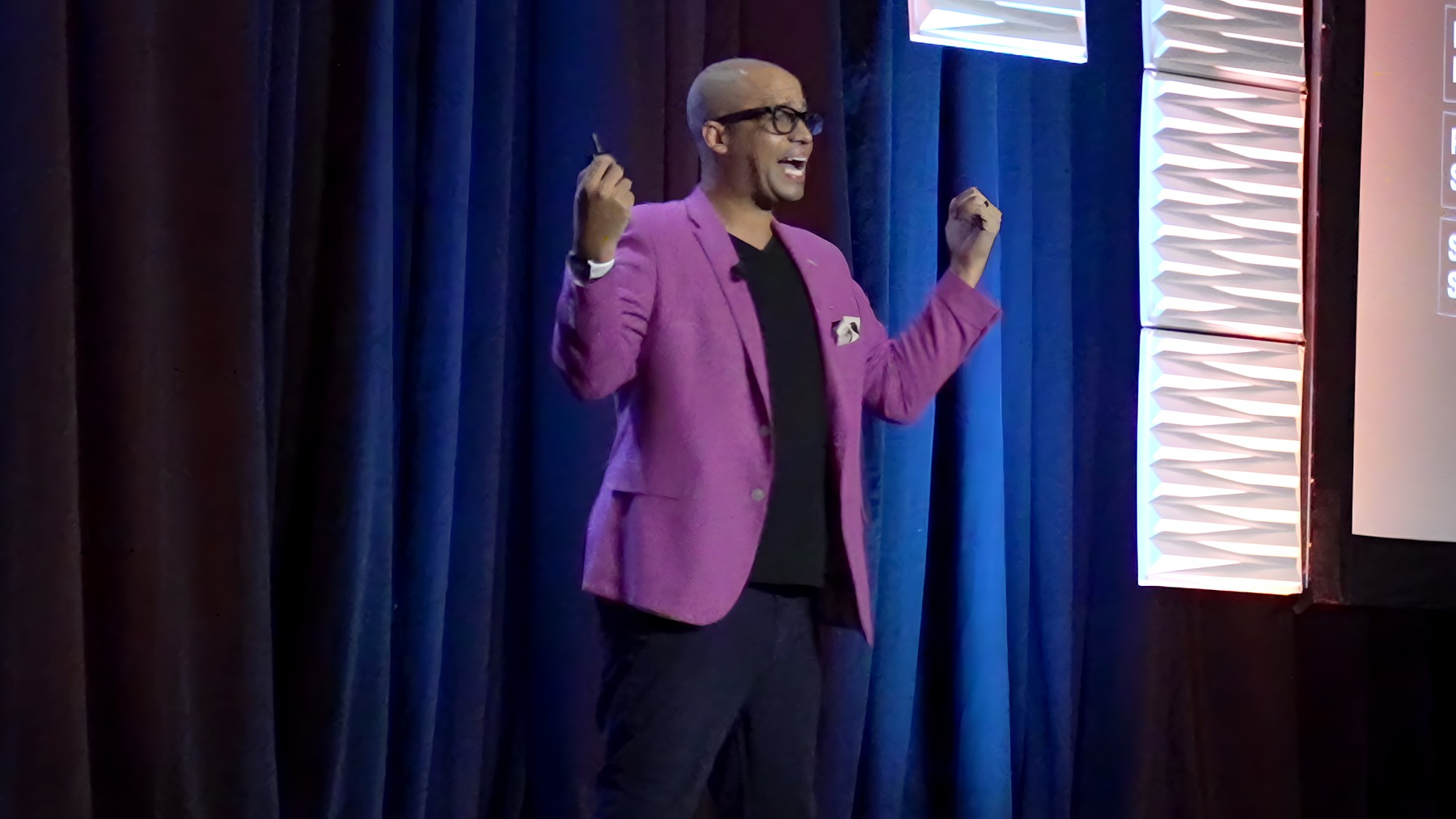
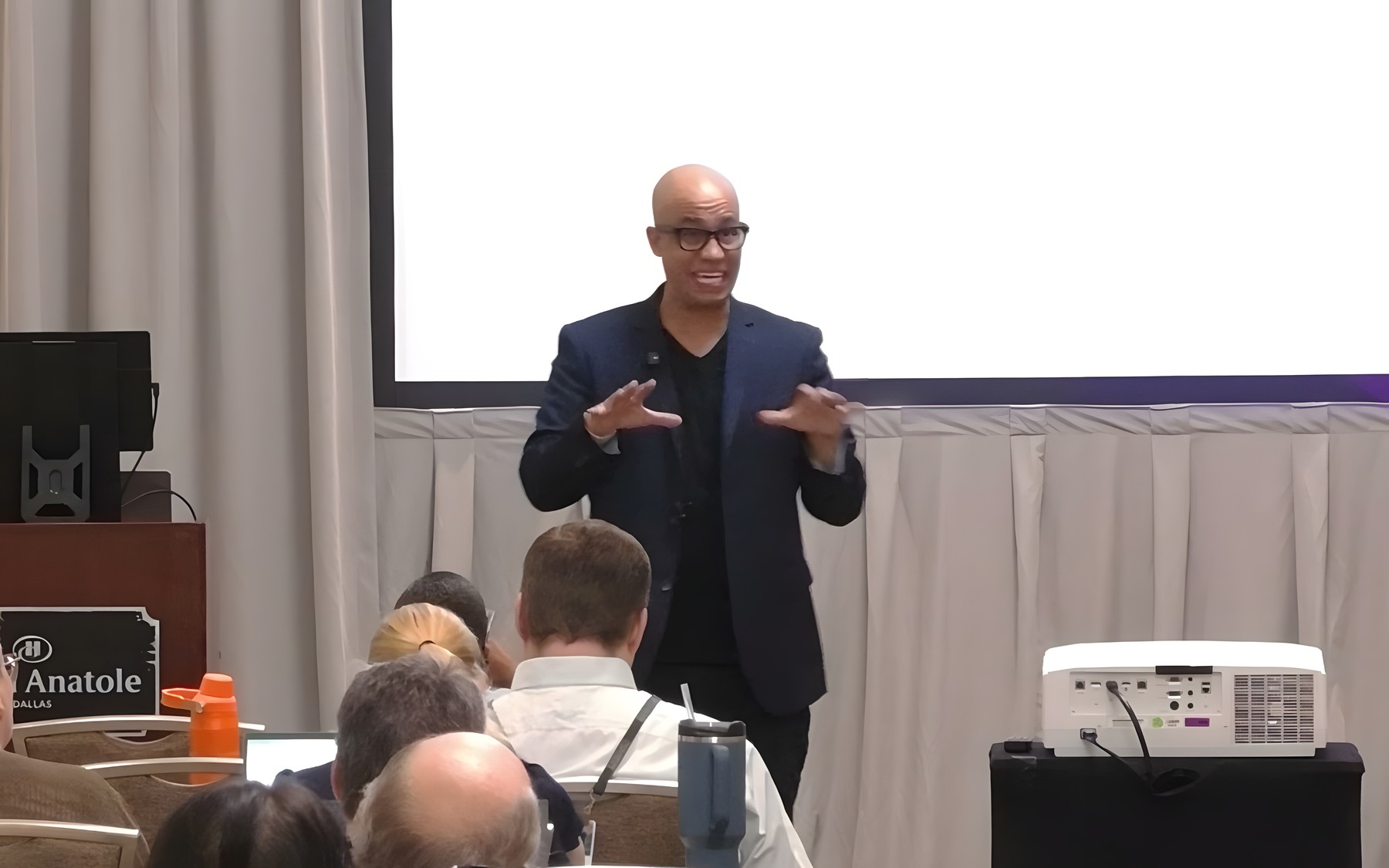


See Jordache in action
“It is easier to edit than it is to create.”
What schools and colleges are facing.
Schools are short on people and time, and students started using AI before most staff got guidance on it.
- 1in 8
Staffing
About 1 in 8 teaching positions is vacant or filled by someone not fully certified for it. LPI calls that an undercount. 57% of teachers report burnout, versus 36% of similar working adults.
Source: Learning Policy Institute, July 2026; RAND, 2026
- 43%
Training budgets
Professional development is the top budget cut this year: 43% of district and school leaders say it’s been or will be cut.
Source: EdWeek Market Brief, June 2026
- 18%
Formal guidance
Fewer than 1 in 5 teachers (18%) get formal guidance from their school on using AI. About half get only informal guidance.
Source: Gallup, spring 2026
- 1in 10
Higher ed strategy
About 7 in 10 provosts use AI every week. Only 1 in 10 say their institution has a central AI strategy.
Source: Inside Higher Ed CAO survey, 2026

How Jordache sees it
In a school, AI should give educators time back for students, and the adults in the building need the judgment to use it well.
Teachers who use AI weekly estimate they save almost six hours a week. That’s about six weeks a school year (Gallup and the Walton Family Foundation, 2024-25). The job is the relationship. Educators get recognition from students far more often than from supervisors or parents: 67%, 50% and 38% (Gallup, October 2026). That’s where the saved time should go.
The students are already experimenting. 64% of teens say they use chatbots. Only 51% of parents think their teen does (Pew, fall 2025). The adults need a way to experiment too, with approved tools and a shared set of rules, so practice stops changing from one classroom to the next.
K-12 and higher education leaders, their teams, and the educators who work with students every day.
Your room
- Superintendents and cabinets
- Charter network CEOs
- Heads of school
- Principals
- Assistant principals
- Chief academic officers
- Chief technology officers
- Professional learning directors
- Instructional coaches
- Teachers
- Counselors
- Special education directors and teachers
- Central office staff
- School and charter board members
- College presidents
- Provosts
- Deans
- CIOs
- Teaching and learning center directors
- Department chairs and faculty
- Advising, admissions and financial aid staff
- Instructional designers
Your event
- State charter school association conferences
- School administrator association conferences
- Back-to-school convocations
- In-service days
- Professional development days
- Leadership and board retreats
- Faculty development days
- Regional service center events
Formats
The rules in your world.
The AI rules schools and colleges already work within, in plain words. Jordache builds the talk with them in view. As of October 2026. General education from a non-lawyer, not legal advice or a substitute for the advice of an attorney. Confirm with your counsel.
Student data and federal guidance
- Under FERPA’s school-official exception, a vendor can get student records without parent consent if it’s doing the school’s work, under the school’s direct control, and can’t pass the records on (34 CFR 99.31(a)(1)). Your state’s student privacy law may add more.
- ED’s July 2025 guidance says AI is an allowable use of federal grant funds, and that AI systems must comply with federal privacy law, including FERPA.
- The federal push for AI literacy comes through grant priorities. There’s no federal mandate (EO 14277; ED’s AI priority, effective May 13, 2026).
State AI policy
- Roughly 35 to 40 states have issued K-12 AI guidance, depending on the tracker (Ballotpedia, AI for Education, Playlab, CRPE, fall 2026).
- A growing list of states now require districts to adopt an AI policy, including Tennessee, Maryland, Oklahoma, Idaho and Virginia. Check your state’s statute and deadline.
Students with disabilities
- An IEP is developed by the team in a meeting, and it has to be individualized (IDEA). An AI draft can’t stand in for that. CDT recommends telling families in writing, ideally before the meeting.
Recording and records
- Recording laws vary by state, and some require everyone in the conversation to agree. Treat an AI notetaker as recording.
- AI transcripts, summaries and prompts can come out in a lawsuit or a public records request. Once a lawsuit is reasonably foreseeable, the relevant ones have to be preserved.
“Jordache, thank you for your exceptional keynote at our conference. It was one of the highlights of our conference. Your presentation received rave reviews from our conference attendees. Your preparation was evident as you provided specific and relevant examples for both the senior living and charter school sectors.”
“Such an amazing session. Thank you so much for the information. Have been using AI, however you have unlocked another level of AI that I am excited to use. I also am a proponent leader of showing the future generation how to use critical thinking with AI, not replacing critical thinking with AI.”
Related industries
Questions planners ask.
Who is a good AI keynote speaker for an education conference?
Jordache Johnson’s talks help K-12 and higher education leaders and their teams use AI to give educators time back for students, with the judgment staying with educators. He also flags the rules schools work under, including FERPA, AI-drafted IEPs and the states that now require district AI policies.
What are practical AI uses for teachers and school leaders?
Common examples are the tasks around teaching: preparing lessons, making worksheets, adapting materials for student needs and drafting emails to families. Administrators use it for newsletters and first drafts of policy language. AI help with IEP and 504 plans carries the most risk, so a person stays responsible for every plan.
Can teachers put student information into an AI tool?
Under FERPA’s school-official exception, a vendor can get student records without parent consent if it’s doing the school’s work, under the school’s direct control, and can’t pass the records on (34 CFR 99.31(a)(1)). Your state’s student privacy law may add more. In plain words: student records go only into tools the school has approved under those terms. As of October 2026. General education, not a substitute for the advice of an attorney; confirm with your counsel.
Can the talk be customized, delivered virtually, or run as a hands-on workshop?
Yes. Jordache builds every talk around your educators’ roles and examples. It can run in person or as a virtual session, and it can be a keynote, a hands-on workshop, or both when your staff want to try AI on their own work.
What does it cost to book Jordache?
It depends on the format, the length and travel. Book a call and we’ll talk through your event.
Book Jordache for your conference, convocation, in-service day or leadership retreat.
For superintendents, charter CEOs and college presidents who want to use AI in their own work first: Executive AI Advisory