
AI keynote speaker forsports business and college athletics conferences
Practical AI for the leaders and teams who run the business of sports, and the agents who represent the athletes.
The short answer
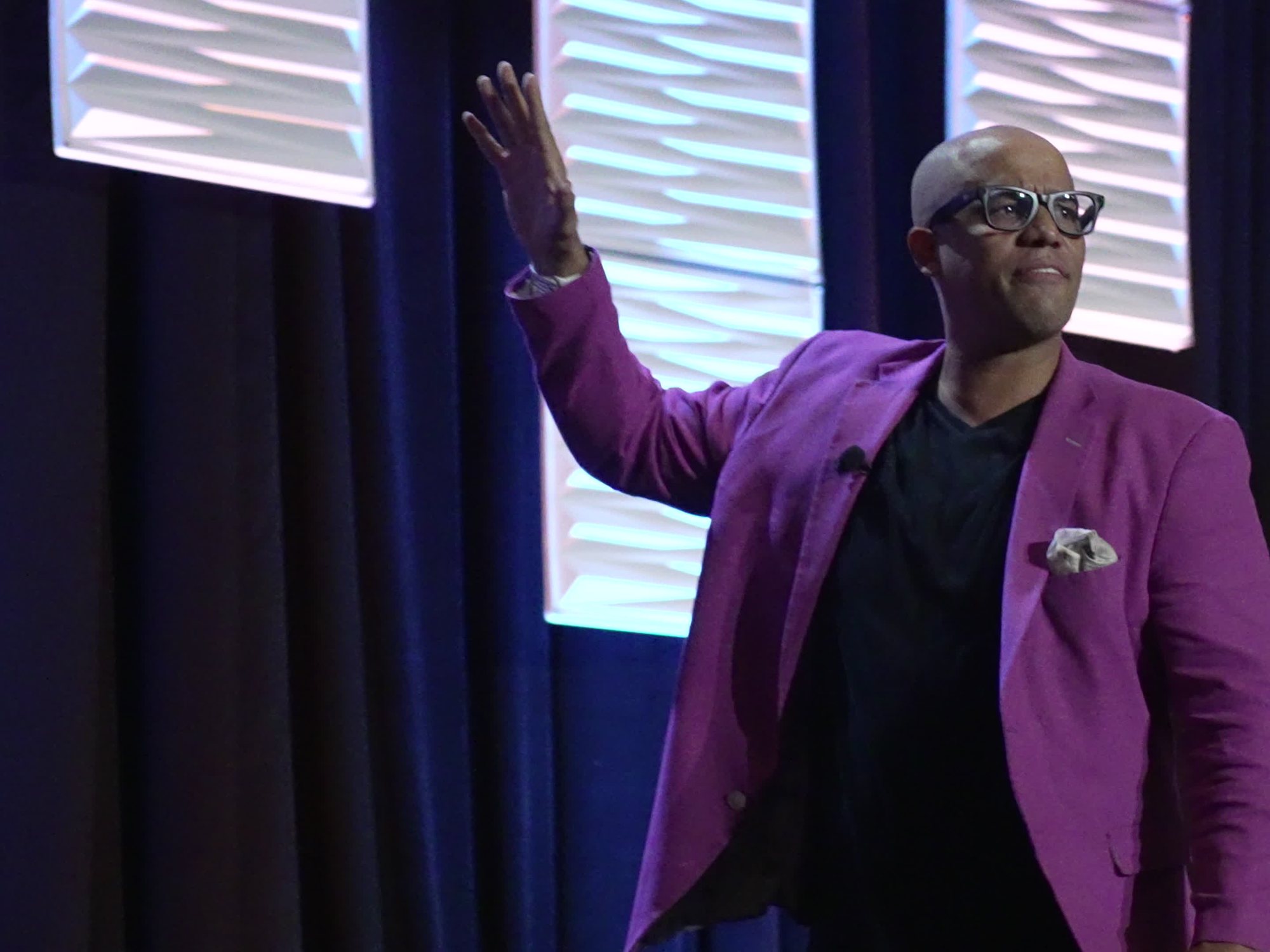
Jordache Johnson is an AI keynote speaker for sports business and college athletics conferences. His keynotes help leaders and teams in athletic departments, front offices, venues and sports agencies put generative AI to work on drafting and prep, while the relationships and judgment calls stay with people. He also flags the rules, including NIL reporting, agent laws and athlete data.
Updated October 2026.
Where AI fits in sports business.
Five examples of where sports business teams can put generative AI to work. There are many more, and the talk is built around yours. The first three are where teams are starting. The last two are possibilities to test, with a person checking everything. What AI handles, and what stays with your people.
Partner recaps and decks
Drafting partner briefs and decks, summarizing your own call notes, and a first draft of the weekly recap.
The sponsor relationship, and what you promise a partner.
Game notes, captions and recaps
First drafts of game notes, social captions and recaps.
The voice of your team or program, and anything that goes out under an athlete’s name.
Season-ticket renewals
First drafts of renewal emails and follow-ups.
The conversation with the season-ticket holder who’s thinking about leaving.
NIL deal paperwork
In a test, a first summary of the deal terms for a person to check.
Every number that gets reported, and the call on anything that looks off. Division I NIL deals of $600 or more have to be reported within five business days.
Agency pitches and offer summaries
In a test, first drafts of brand pitches and endorsement proposals, and a summary of an offer’s terms.
The advice, the relationship with the athlete, and every claim you make to them. With a student athlete, the federal agent law still requires a disclosure before signing.
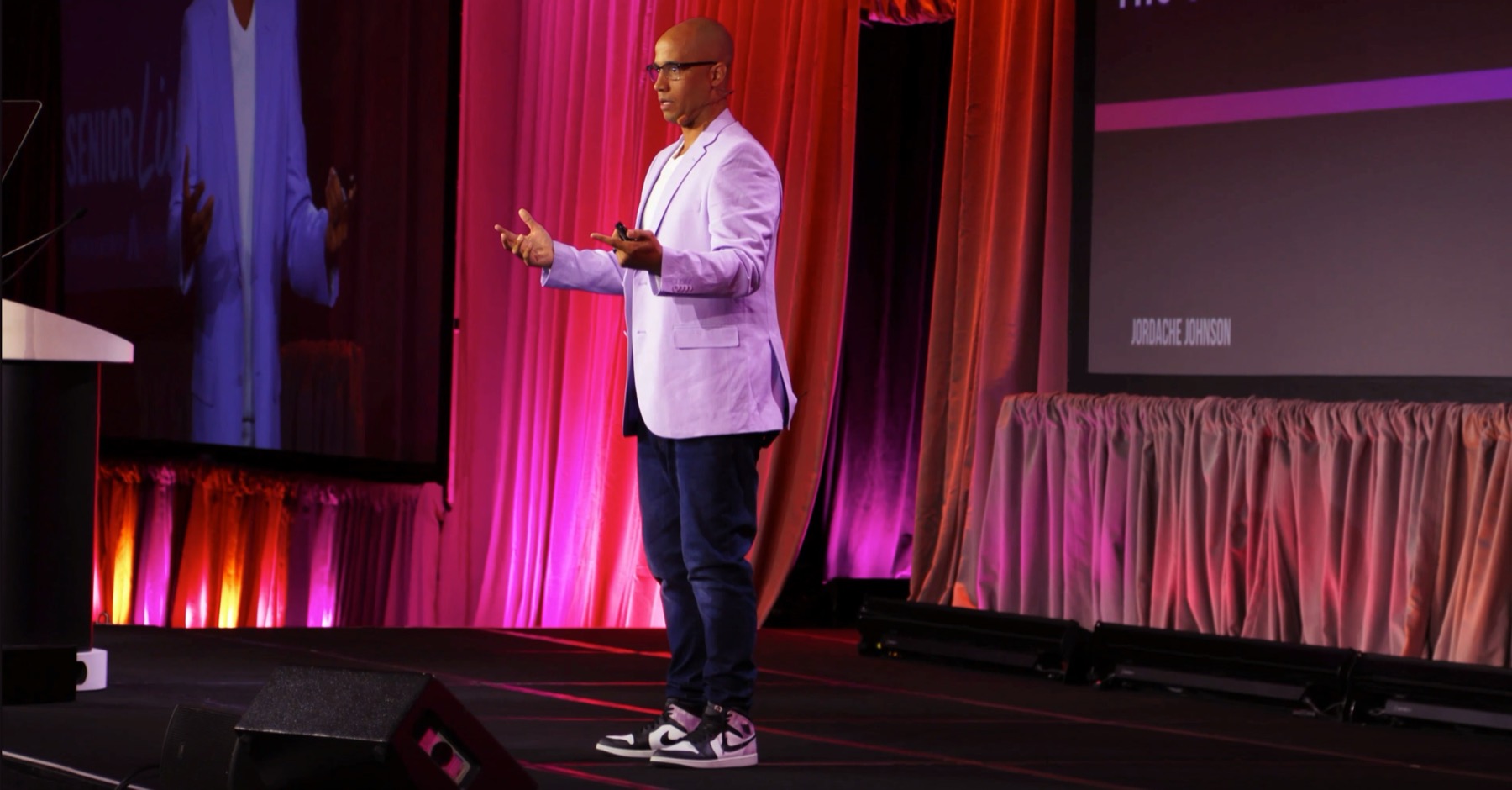
Four talks. Built for sports business rooms.
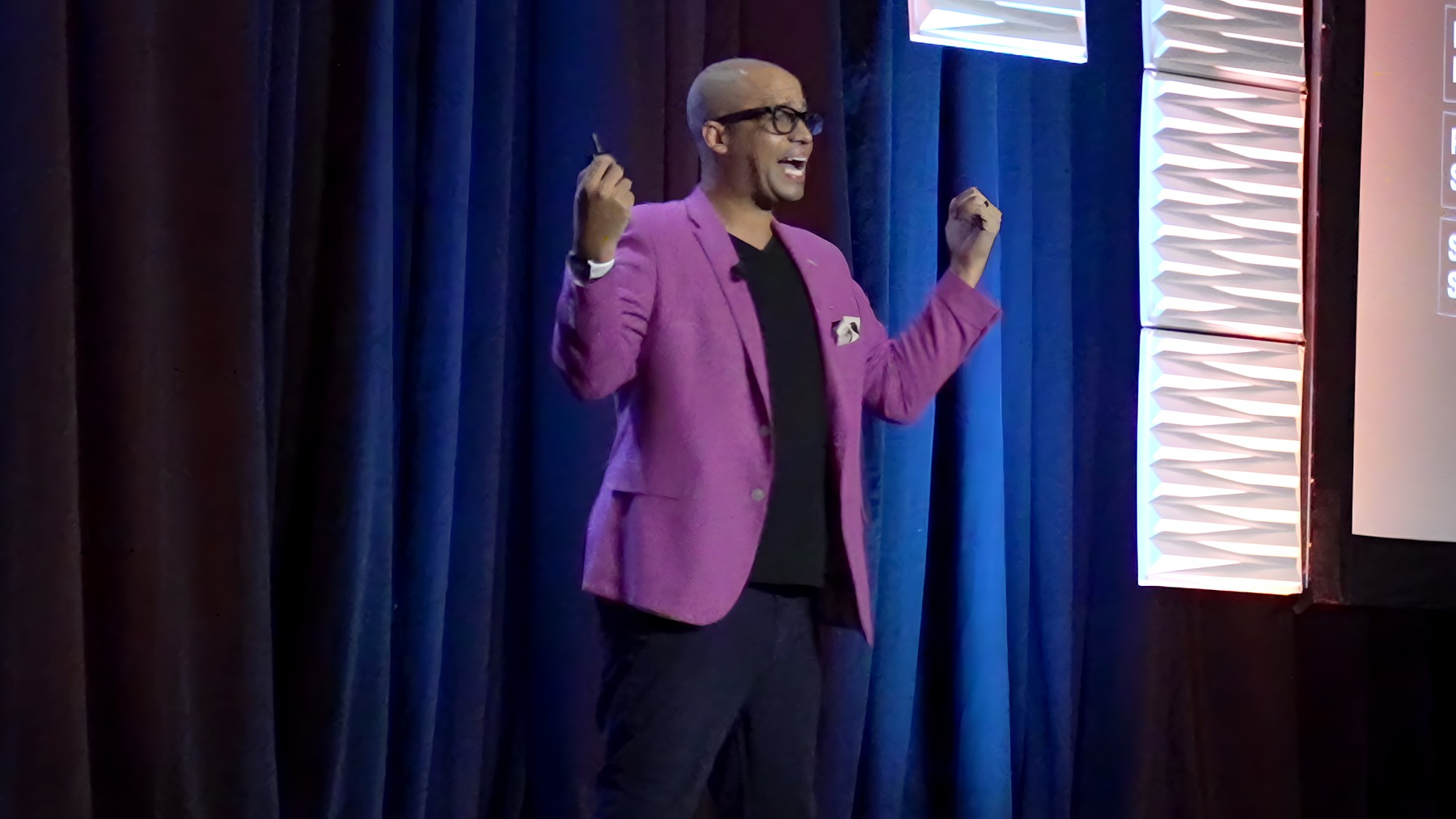
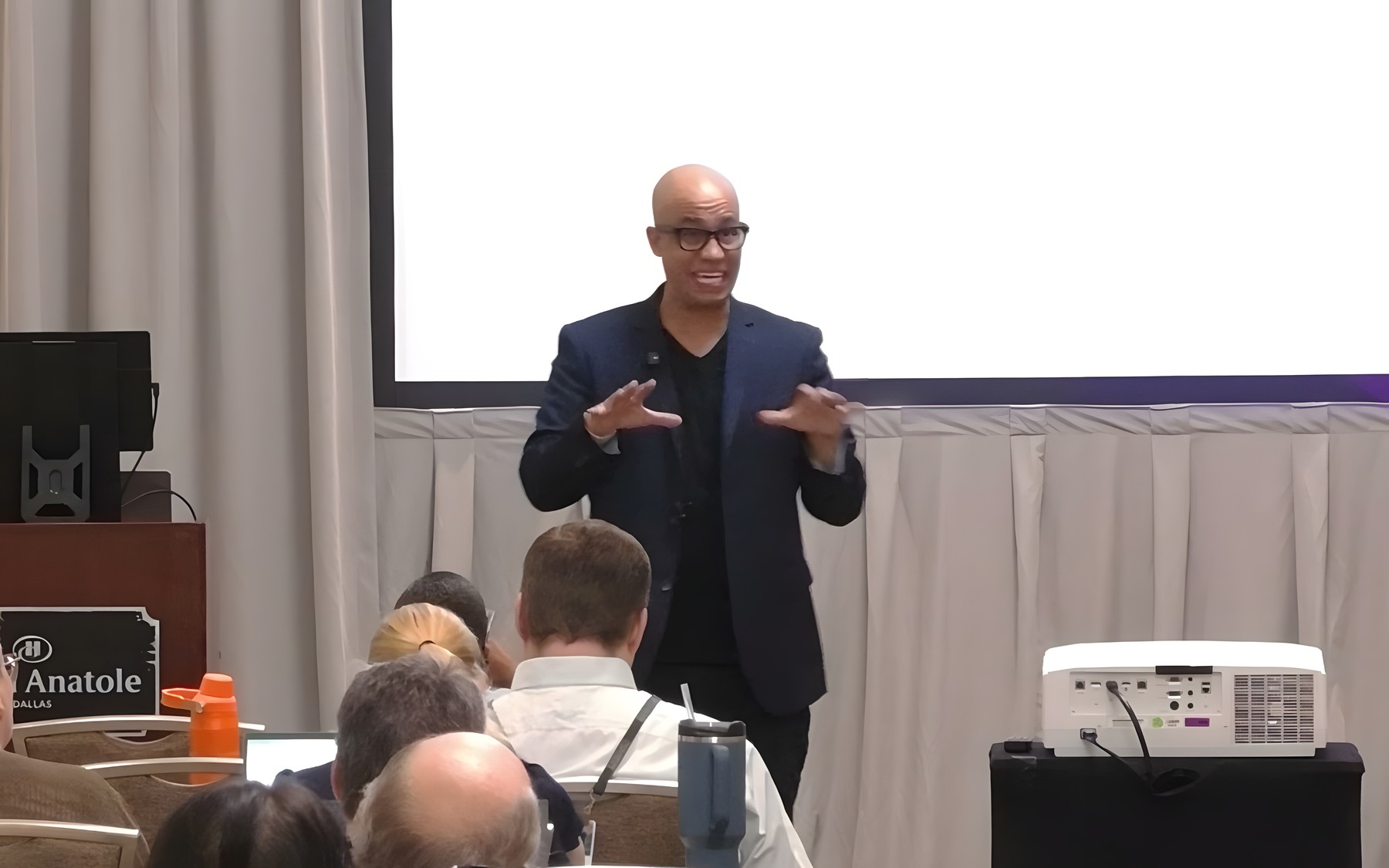
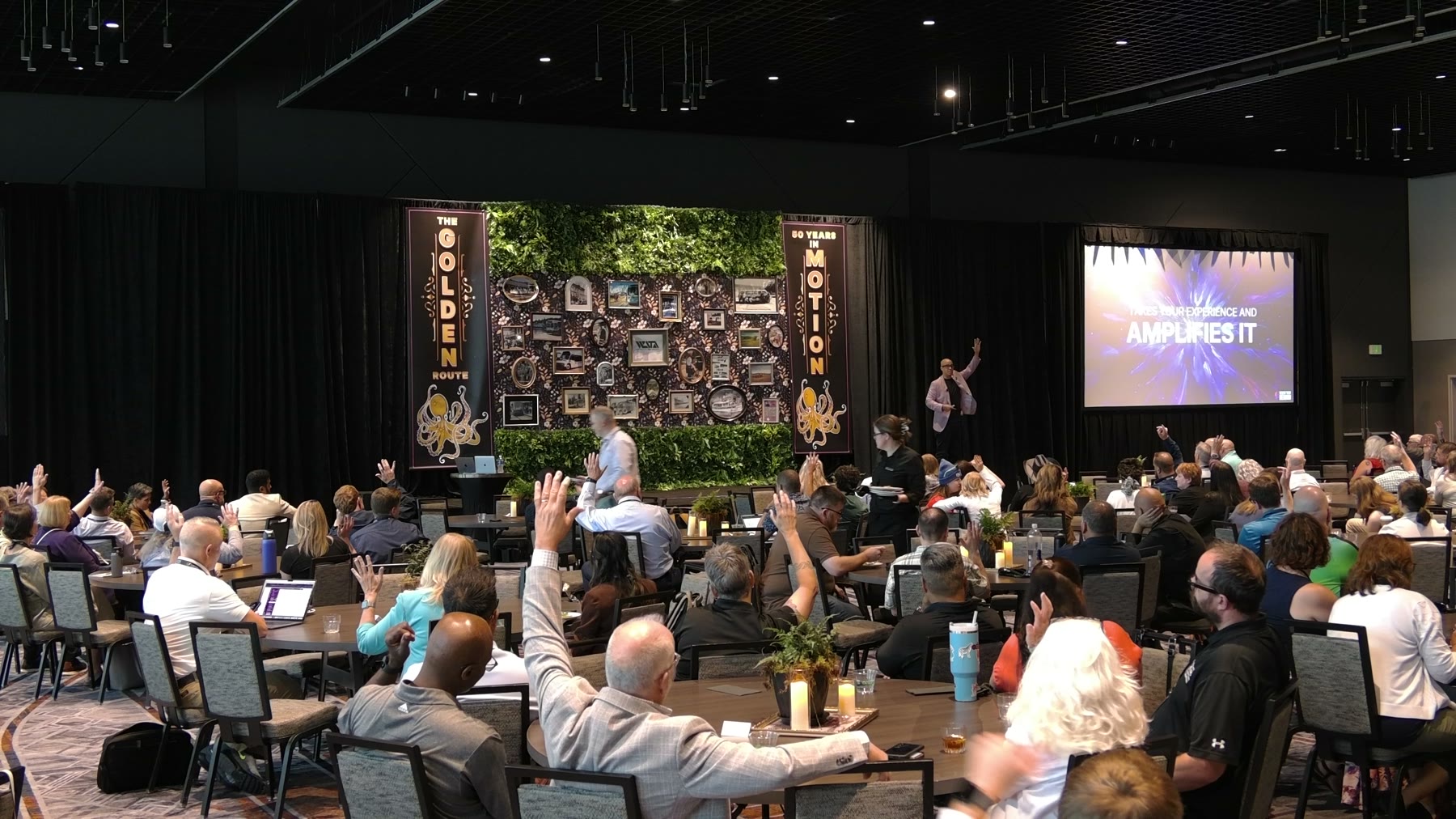
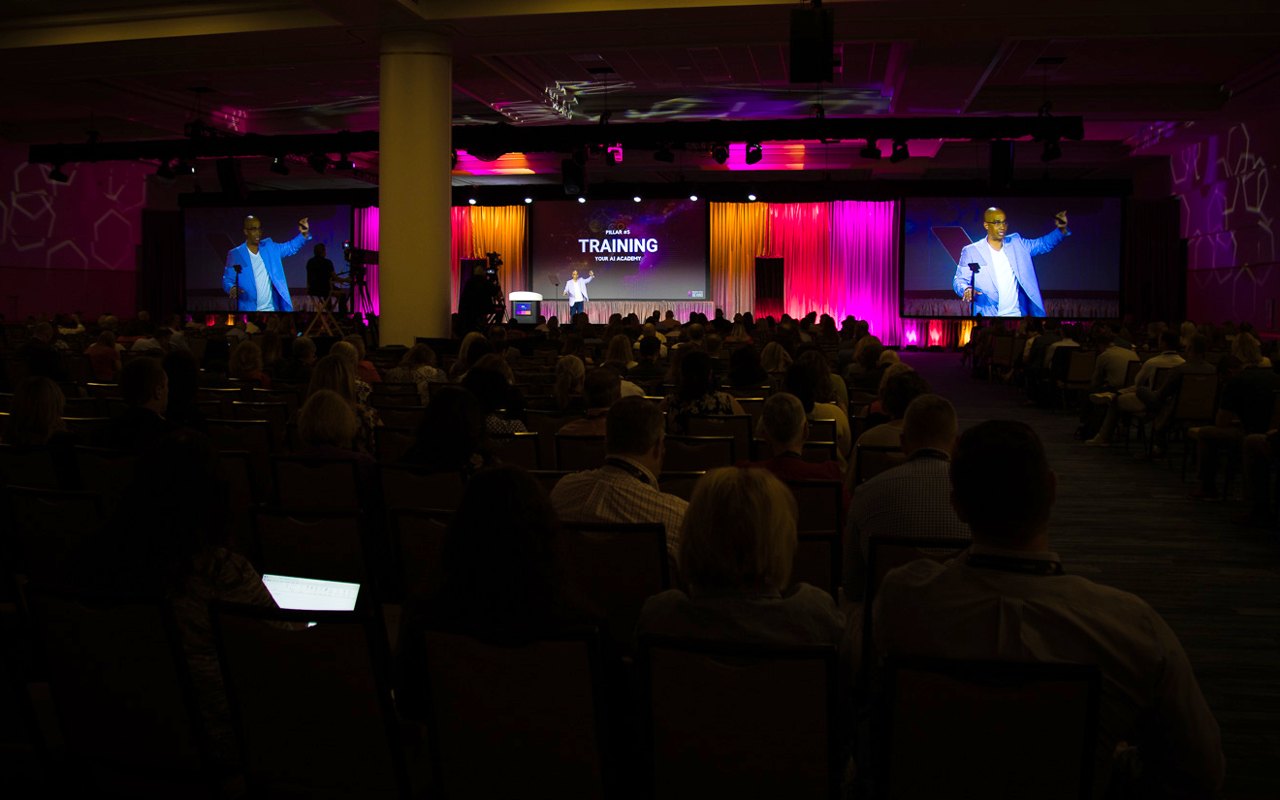
See Jordache in action
“Thank you! We truly appreciate the engagement and thoughtful perspective. It was energizing to see how quickly the conversation turned to real-world impact.”
What sports business teams are facing.
The money and the rules are moving at the same time. The talk starts from the pressure your people already feel.
- 94%
Spending more than they make
Division I athletics programs that spent more than they generated in 2023-24, including 49 of the 69 Power conference schools.
Source: GAO, released August 2026
- $1.77billion
Paying athletes directly
About what schools paid directly to nearly 35,000 athletes at 307 schools in the first year of revenue sharing.
Source: College Sports Commission, October 2026
- 200+ a day
NIL deals
Handled by the College Sports Commission in summer 2026, up from 94 a day in its first year.
Source: College Sports Commission, September 2026
- 46%
Abuse over bets
That’s the share of Division I men’s basketball players who said fans had abused them over betting losses, in a voluntary NCAA survey of 7,493 Division I athletes.
Source: NCAA SNAP survey, spring 2026
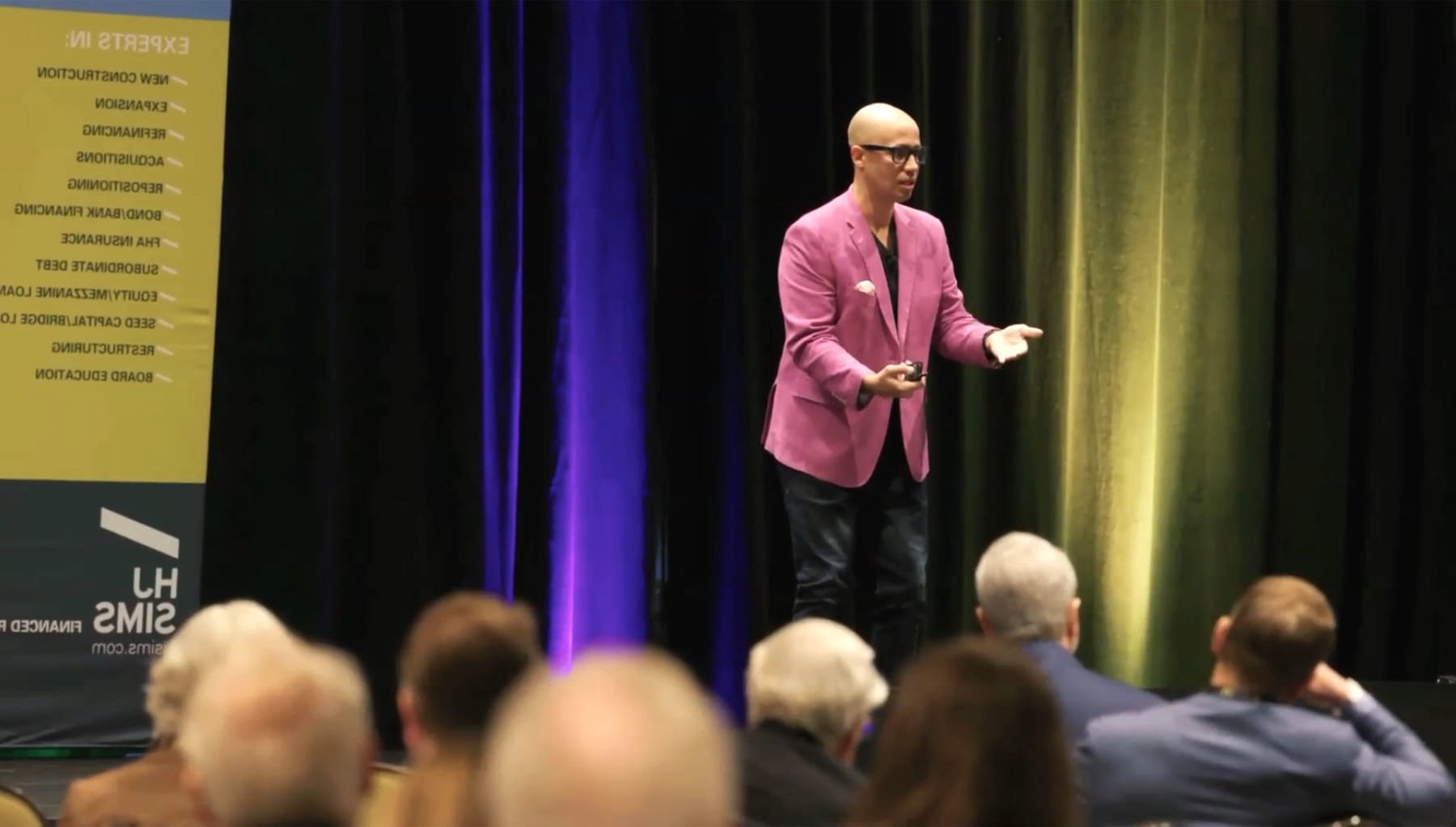
How Jordache sees it
Sports runs on relationships, and the people who keep them are carrying more.
AI can draft the partner recap, the game notes and the first renewal email. It can’t hold the sponsor relationship, reassure a family or stand behind the advice an agent gives an athlete. Hand AI the drafting and the prep, and your people spend more time on the work only they can do. With the money and the rules this unsettled, one habit holds everywhere: a person checks every number that gets reported and every claim made to an athlete.
Sports executives in PwC’s global survey of 517 leaders, mostly focused on the European market, say integrity breaches are one of the biggest commercial risks to sport. So the talks stay practical: a few uses your team can test, with non-public athlete information kept out of the tools.
The leaders and teams who run the business of sports, and the agents who represent the athletes.
Your room
- Athletic directors and deputy ADs
- Chief revenue officers
- Compliance and NIL staff
- Revenue-share managers
- Partnership and sponsorship sellers
- Ticketing and fan experience leaders
- Ticket office staff
- Development and donor relations
- Marketing, content and communications teams
- Sports information and communications staff
- Data and analytics leads
- General counsel
- Venue general managers
- Guest experience directors
- Venue and event operations
- Security and event staff
- Team and league executives
- Sports agents and NIL advisors
- Marketing agents
- Brand partnerships leads
- Client services
- Agency counsel
- Agency founders and partners
Two rooms: the business side of sports organizations, and the agencies that represent athletes.
Your event
- College athletics conventions
- Athletic director and compliance meetings
- Sports business conferences
- Sports law conferences
- Venue industry events
- Agent seminars and agency retreats
- Front-office leadership offsites
Formats
The rules in your world.
The AI rules the business of sports already works within, in plain words. Jordache builds the talk with them in view. As of October 2026. General education from a non-lawyer, not legal advice or a substitute for the advice of an attorney. Confirm with your counsel.
College athletics pay and NIL
- Any Division I NIL deal of $600 or more has to be reported within five business days, and schools must log revenue-sharing payments within five business days of signing.
- Each school can share up to $21.58 million with its athletes in 2026-27, up from $20.5 million in the first year.
- Pending: the Senate passed the Protect College Sports Act 77 to 22 on September 28, 2026. It still needs the House, so it isn’t law. Still moving.
- On October 28, 2026, the Big Ten capped school-arranged NIL deals at $27.5 million per school, about $49 million with revenue sharing, to match the Senate bill.
- A 2026 executive order tells federal agencies that fund colleges to weigh violations of NCAA eligibility, transfer and pay rules, and asks the NCAA to set up a national agent registry.
Agents and NIL advisors
- In January 2026 the FTC asked 20 Division I universities whether agents were following the federal sports agent law.
- Under that law, an agent has to give a student athlete a required disclosure before signing and tell the school within 72 hours or before the next game, whichever comes first. Penalties run up to $53,088 per violation.
- Since June 9, 2026, Louisiana requires anyone who advises a college or high school athlete on NIL deals for pay to register, disclose every fee from any source in writing, and face fines up to $100,000 per violation.
- Pending: if it becomes law, the Protect College Sports Act would require agents to register with a state and cap their fees on endorsement deals at 5%. Still moving.
Athlete data, face and voice
- Since July 1, 2026, Virginia colleges can’t share an athlete’s biometric data outside the school without written consent, and no one can make those data rights a condition of an NIL deal without a separate signed consent.
- Pending: a federal bill to give people rights over AI replicas of their face and voice cleared the Senate Judiciary Committee in June 2026. It isn’t law. Still moving.
Betting integrity
- Four states have banned bets on individual college players since 2024, but more than half of states with legal sports betting still allow them in some form.
- In September 2026, news reports said the five biggest US leagues and their players’ unions asked regulators in 35 states and DC for lifetime betting bans on people who threaten athletes.
- Pending: the CFTC has proposed that prediction-market contracts settling on player injuries, referee calls or single plays are likely against the public interest. It’s still only a proposal. Still moving.
Recording and records
- Recording laws vary by state, and some require everyone in the conversation to agree. Treat an AI notetaker as recording.
- AI transcripts, summaries and prompts can come out in a lawsuit. Once a lawsuit is reasonably foreseeable, the relevant ones have to be preserved.
Related industries
Questions planners ask.
Who is a good AI keynote speaker for a sports business or college athletics conference?
Jordache Johnson’s keynotes help athletic departments, front offices, venues and sports agencies put generative AI to work on drafting and prep, while the relationships and judgment calls stay with people. He also flags the rules this business runs on, including NIL reporting, agent laws and athlete data.
Where can AI help an athletic department or front office that’s stretched thin?
Common examples are drafting work a person checks: partner briefs and weekly recaps, game notes and social captions, and season-ticket renewal emails. Those are the places teams are starting. The sponsor relationship, your program’s voice and the calls that matter stay with your people.
Can we use AI to prepare NIL Go submissions or track revenue-share payments?
It’s a possibility worth testing, carefully. Any Division I NIL deal of $600 or more has to be reported within five business days, and schools must log revenue-sharing payments within five business days of signing. If you test AI here, a person checks every number before it’s reported. As of October 2026. General education, not a substitute for the advice of an attorney; confirm with your counsel.
What would the Protect College Sports Act change for agents?
It isn’t law yet. The Senate passed it 77 to 22 on September 28, 2026, and it still needs the House. If it becomes law, it would require agents to register with a state and cap their fees on endorsement deals at 5%. This one is still moving. As of October 2026. General education, not a substitute for the advice of an attorney; confirm with your counsel.
How should agents use AI in recruiting and deal work?
Use it for drafts a person checks, and stand behind every claim. In January 2026 the FTC asked 20 Division I universities whether agents were following the federal sports agent law. Under that law, an agent has to give a student athlete a required disclosure before signing and tell the school within 72 hours or before the next game, whichever comes first. Since June 9, 2026, Louisiana requires anyone who advises a college or high school athlete on NIL deals for pay to register. As of October 2026. General education, not a substitute for the advice of an attorney; confirm with your counsel.
Can we use an athlete’s data, face or voice with AI tools or sponsors?
Get clear written consent first, and check the law in your state. Since July 1, 2026, Virginia colleges can’t share an athlete’s biometric data outside the school without written consent, and no one can make those data rights a condition of an NIL deal without a separate signed consent. A federal bill to give people rights over AI replicas of their face and voice cleared the Senate Judiciary Committee in June 2026. It isn’t law. As of October 2026. General education, not a substitute for the advice of an attorney; confirm with your counsel.
What does it cost to book Jordache?
It depends on the format, the length and travel. Book a call and we’ll talk through your event.
Book Jordache for your athletics convention, sports business conference, front-office offsite or agency retreat.
For athletic directors, team executives and agency leaders who want to use AI in their own work first: Executive AI Advisory