
AI keynote speaker foroil and gas conferences
Practical AI for leaders and the people who find, produce, move and refine oil and gas, where safety comes first and experience is hard to replace.

The short answer
Jordache Johnson is an AI keynote speaker for oil and gas conferences. He helps leaders, engineers, field crews, landmen and safety teams use AI to draft and summarize the paperwork around the job, while stop work authority, sign-offs and the call stay with people. His talks also flag the rules, including offshore JSAs, process safety and pipeline cybersecurity.
Updated October 2026.
Where AI fits in oil and gas work.
Six examples of where oil and gas teams put generative AI to work. There are many more, and the talk is built around yours. What AI handles, and what stays with your people.
JSAs, procedures and permits
First drafts of job safety analyses, written procedures and work permits.
The hazards only the crew can see, stop work authority, and the signature. Offshore, BSEE requires a job safety analysis for OCS activities covered by your SEMS program. The crew’s onsite supervisor conducts it and signs it, everyone on the job has to understand and sign it, and the person in charge of the facility approves and signs it before work starts.
Well files and daily reports
Summaries of scanned well reports, completion and workover records; plain-language questions over daily drilling, mud and inspection reports; a first draft of the daily report from field notes.
The read on the well, and the decision on what to do next.
Know-how before it retires
Recording and organizing what senior engineers and superintendents know, and searching manuals, standards and company procedures.
What years in the field taught them, and the final word on any procedure.
Leases, title and contracts
First-pass lease abstracts, take-offs and runsheets, and summaries of joint operating agreements, MSAs and supply contracts.
The read on the title, the county records they know, and what the company signs.
Regulatory reports
First drafts of permit applications, emissions reports and agency letters.
What goes to the regulator, and the name on the filing.
Training material
Turning procedures into toolbox talks, quizzes and onboarding guides in English and Spanish.
The hands-on teaching, and the call on who’s ready to do the job.
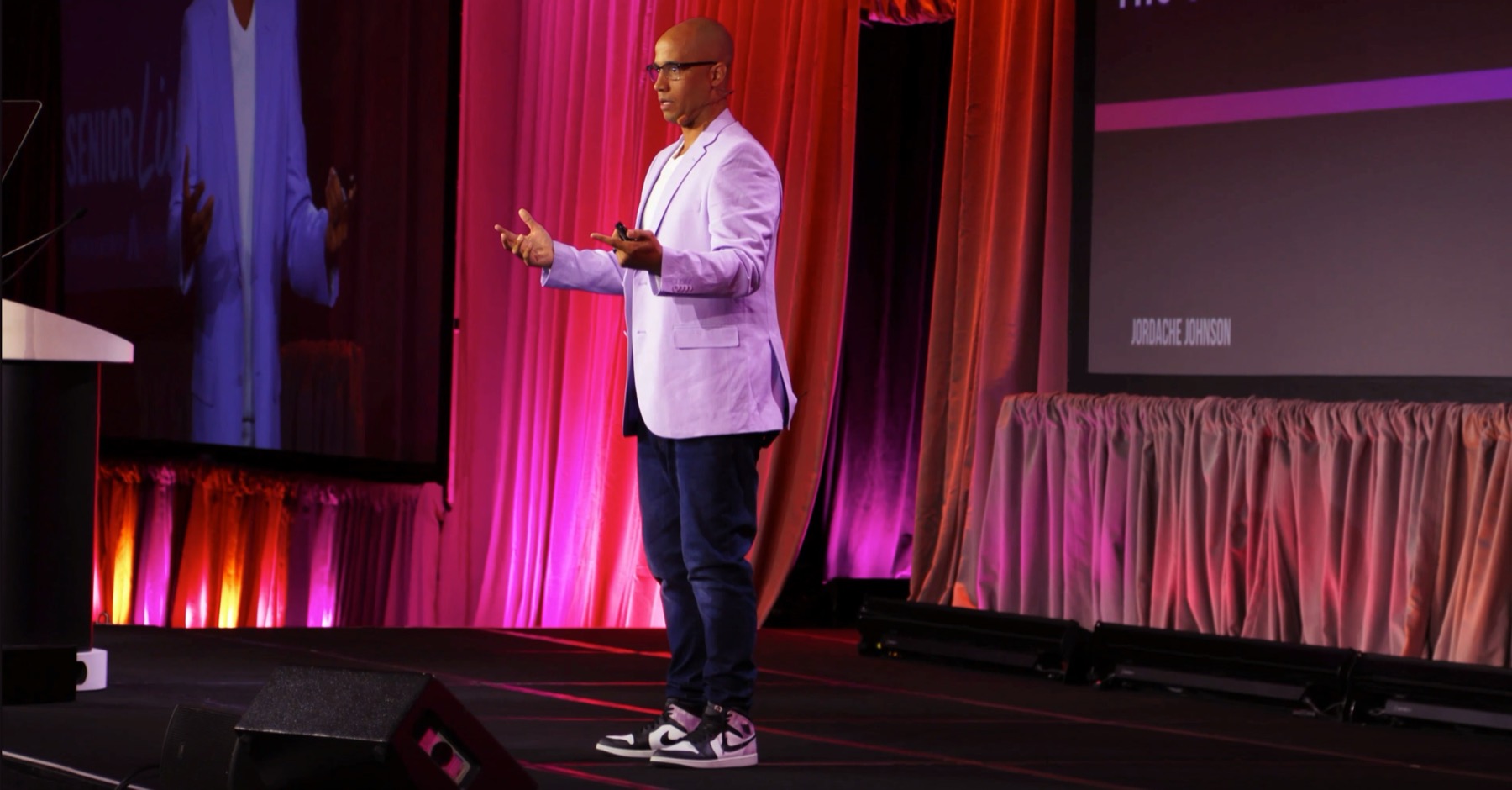
Four talks. Built for oil and gas rooms.

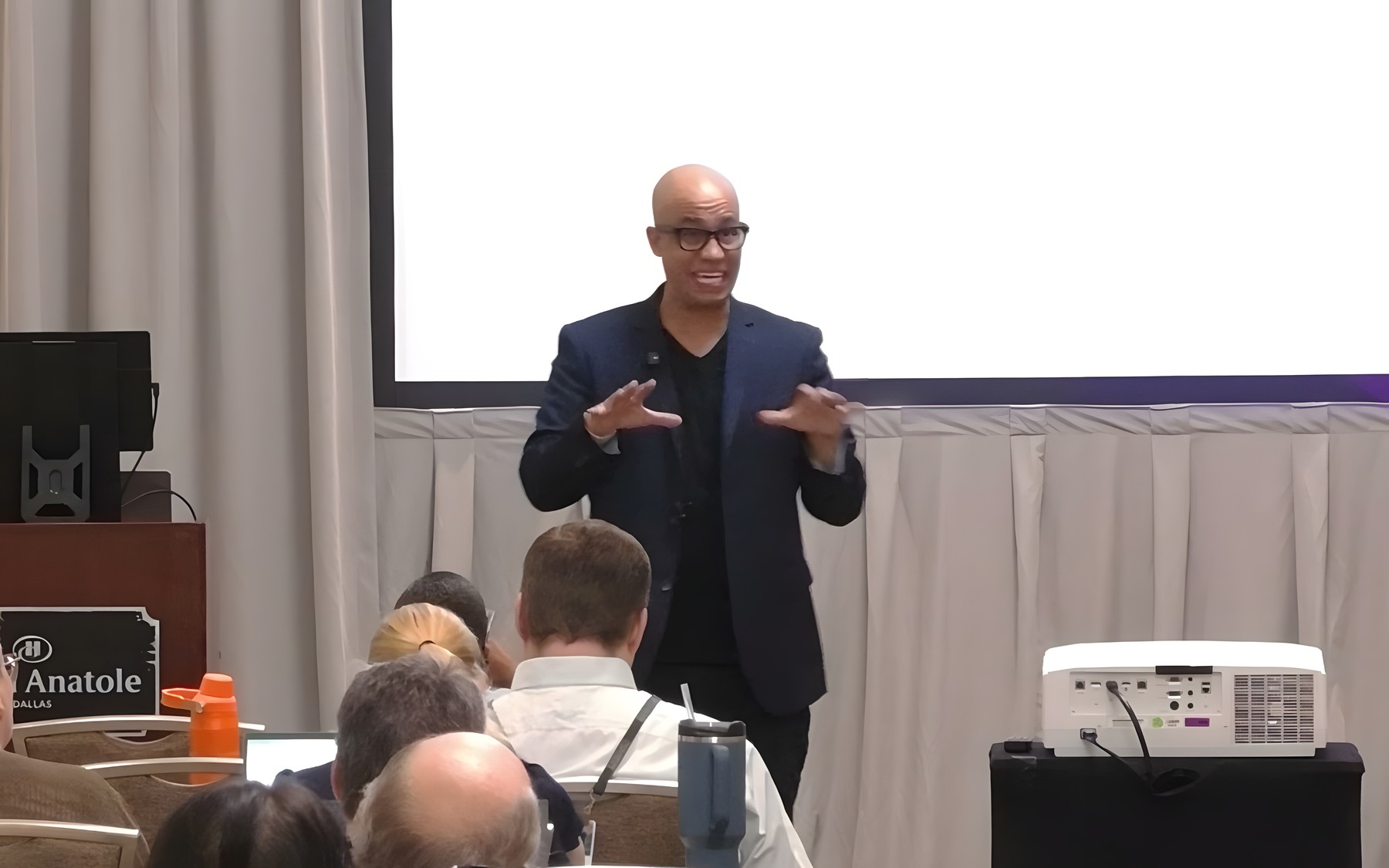
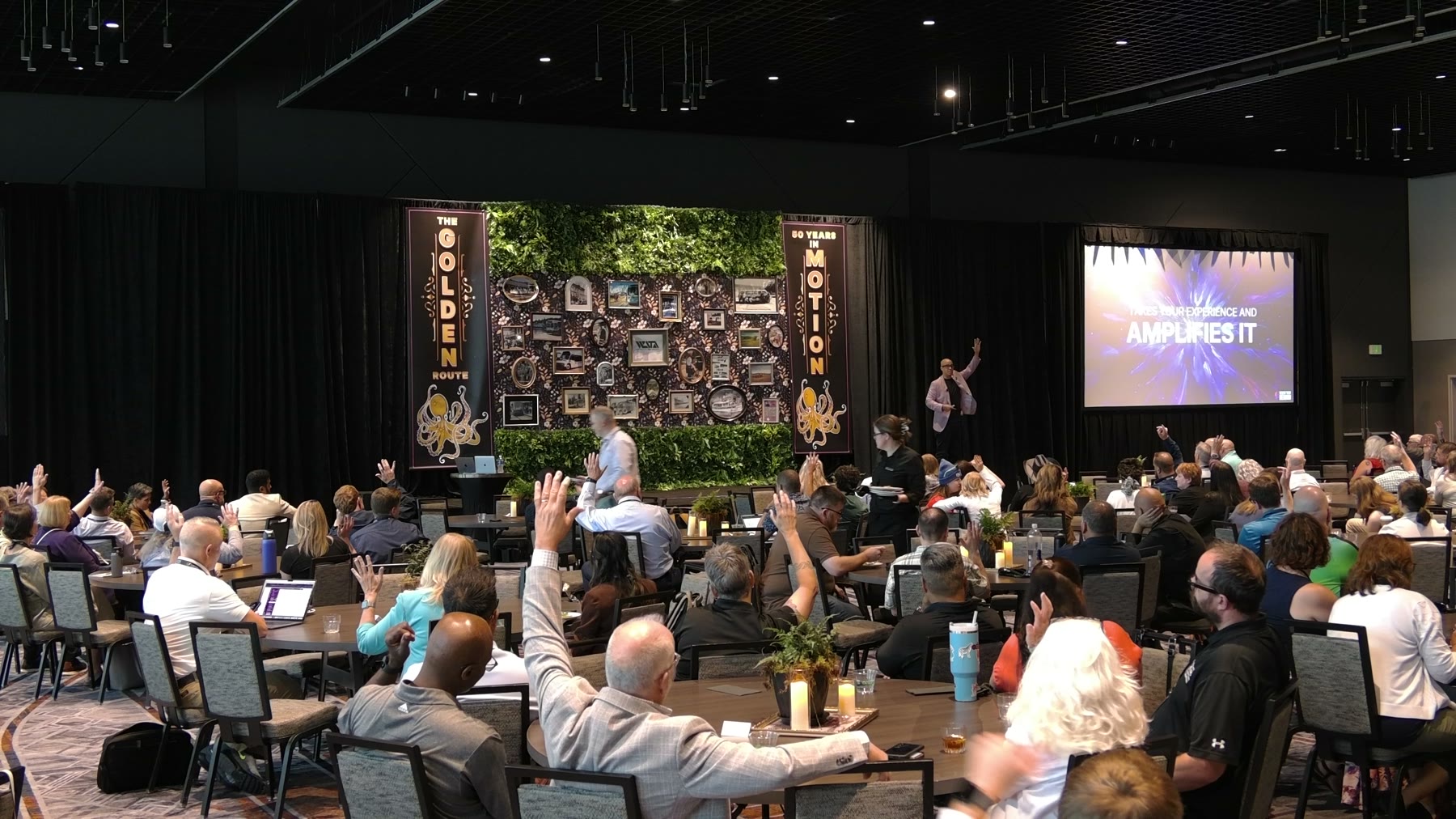
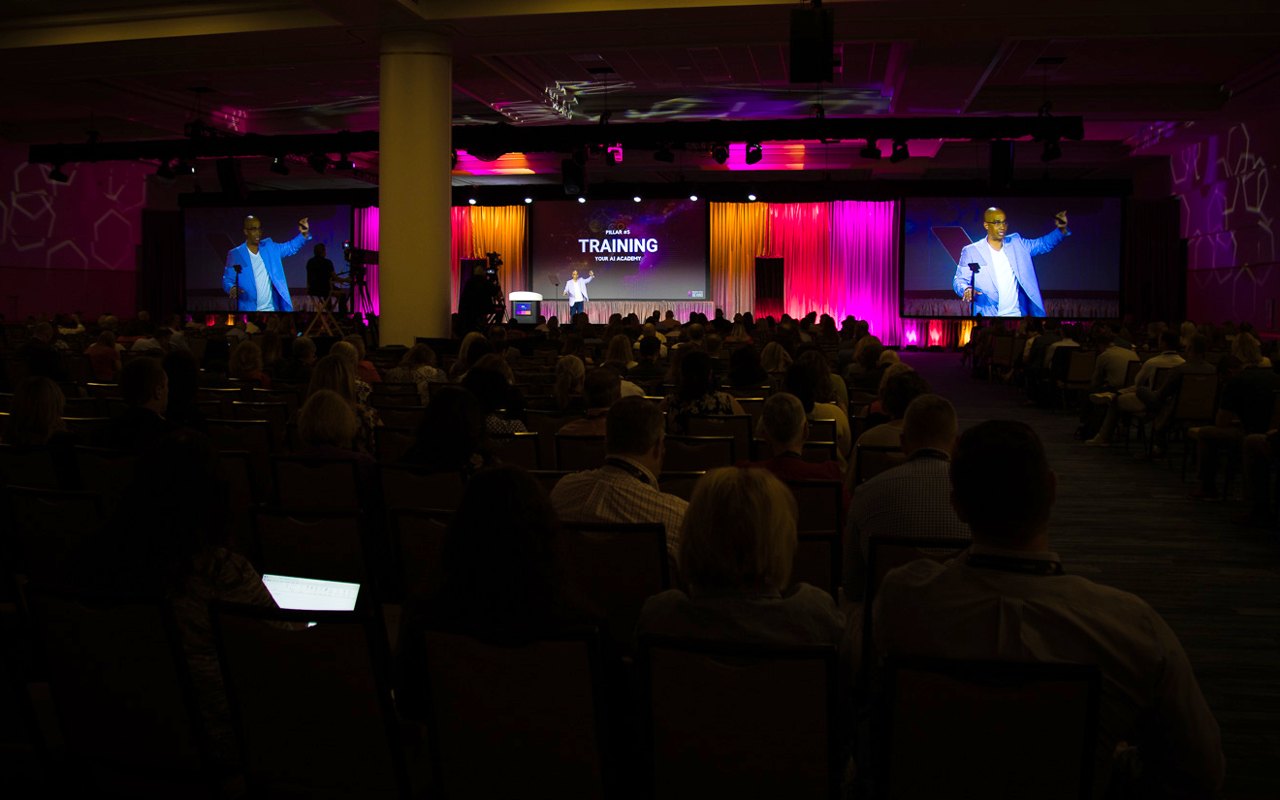
See Jordache in action
“Thank you! We truly appreciate the engagement and thoughtful perspective. It was energizing to see how quickly the conversation turned to real-world impact.”
What oil and gas teams are facing.
Planning got harder, the bench is getting older, and most oilfield services companies haven’t moved past generative AI pilots. The talk starts from the pressure your members already feel.
- $99
Planning got harder
In the Dallas Fed’s September 2026 survey of 125 oil and gas firms, oil averaged about $99 a barrel, and executives expected $88 by year-end. One producer told the Dallas Fed it’s “very challenging to select a planning price or budgeting price.”
Source: Dallas Fed Energy Survey, Q3 2026
- 48%
An older bench
In a global survey by energy recruiter Airswift, 48% of oil, gas and petrochemical professionals were over 45, and only 19% were 25 to 34.
Source: Global Energy Talent Index 2026
- 9,900
Openings a year
The government projects about 9,900 openings a year for oil and gas workers through 2035, mostly to replace people who leave the occupation or retire.
Source: BLS Occupational Outlook Handbook
- Under1in 4
Past the pilot
In a 2025 McKinsey survey of 164 oilfield services executives worldwide, fewer than one in four companies had moved past generative AI pilots, and 1% had reached significant scale.
Source: McKinsey, April 2026
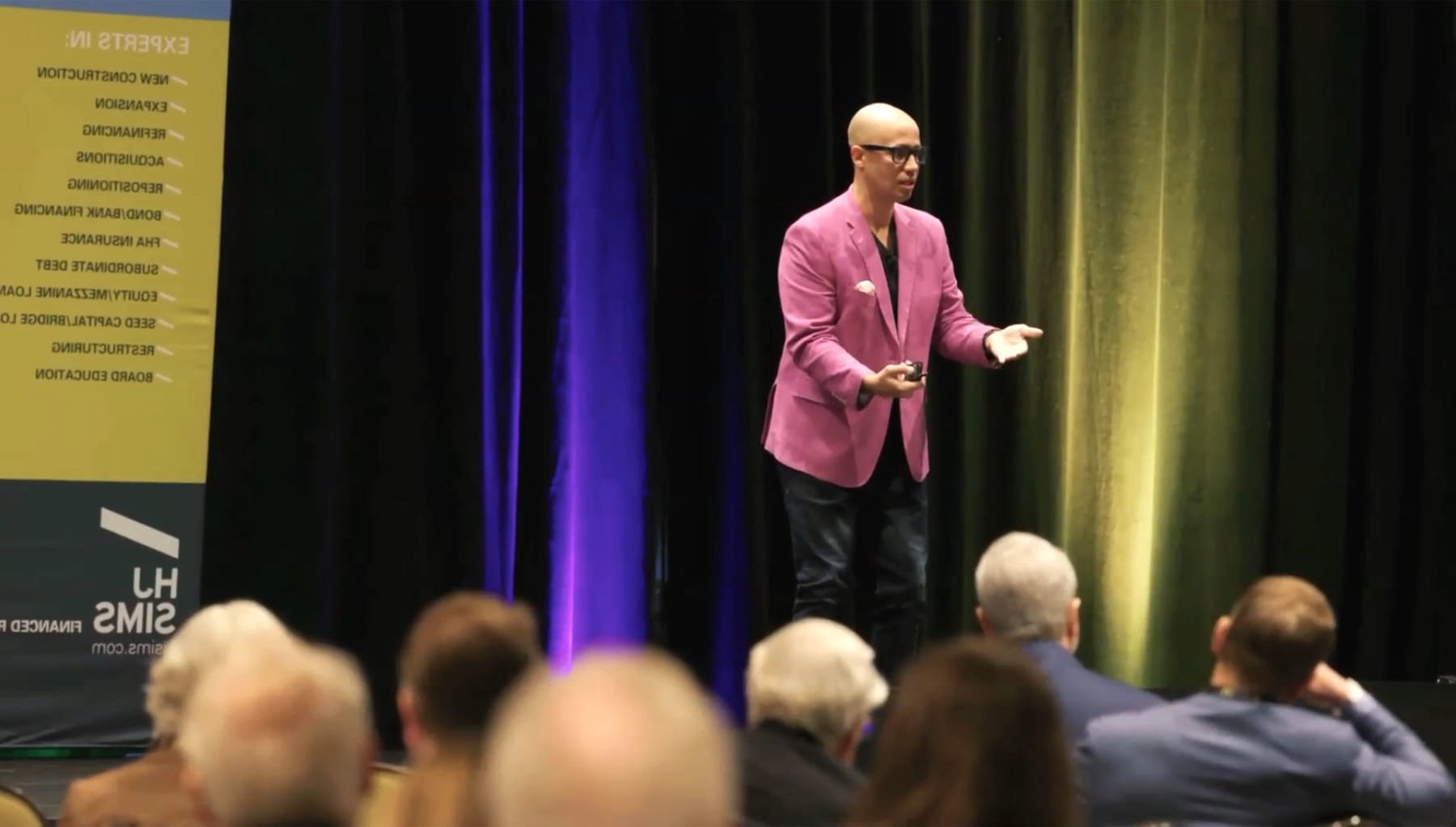
How Jordache sees it
In oil and gas, safety and hard-won experience are who you are, and AI has to protect both.
AI can draft the JSA, summarize the well file and write the first version of the daily report. It can’t hear the bad bearing, read the formation or stop the job. Those stay with your people, and so does the signature. In ASSP’s 2026 survey, most safety professionals agree that humans must validate AI and make the final call on worker safety. Hand AI the paperwork, and your experienced people get time to teach the ones coming up behind them.
In the same Airswift survey, 45% of oil, gas and petrochemical professionals now use AI in their role, up from 24% in 2024. So the talks stay practical: a few uses your people can test, inside the rules your work already lives by.
Engineers, field leaders, landmen and safety teams, and the leaders who run upstream, midstream and refining companies.
Your room
- Drilling and completions engineers
- Production and reservoir engineers
- Facilities and process engineers
- Geoscientists
- Field superintendents and foremen
- Rig managers and operators
- Pumpers and production operators
- Pipeline controllers and integrity engineers
- Pipeline control room managers
- Compliance managers
- HSE and process safety leaders
- Landmen and title analysts
- Division order and lease records staff
- Supply chain and contracts teams
- Accounting and finance
- Joint interest billing and revenue accounting
- Refinery and plant managers
- HR and training leaders
- CEOs, COOs and CFOs
Jordache is based in Houston, which led Texas with 3,216 of the state’s 12,719 oil and gas job postings in September 2026 (TIPRO).
Your event
- Producer association conventions
- Monthly industry luncheons
- Technical society section meetings
- Technical conferences
- Land and deal conferences
- Midstream conferences
- Drilling contractor and service company association meetings
- Safety summits and stand-downs
- Company leadership offsites
- Company safety offsites
Formats
The rules in your world.
The AI rules oil and gas already works within, in plain words. Jordache builds the talk with them in view. As of October 2026. General education from a non-lawyer, not legal advice or a substitute for the advice of an attorney. Confirm with your counsel.
Safety programs
- Offshore, BSEE requires a job safety analysis for OCS activities covered by your SEMS program. The crew’s onsite supervisor conducts it and signs it, everyone on the job has to understand and sign it, and the person in charge of the facility approves and signs it before work starts.
- Federal offshore safety rules make stop work authority a required element of every operator’s safety program.
- OSHA’s process safety standard requires the process hazard analysis to be done by a team with engineering and process expertise. That’s people.
Pipelines
- PHMSA told Congress in 2026: “PHMSA encourages operators to leverage AI capabilities to inform their integrity management programs, consistent with PHMSA’s performance-based regulations.” That’s encouragement inside PHMSA’s existing rules.
- At a March 2026 House hearing, PHMSA Administrator Paul Roberti said the agency “could probably leverage AI” to put shared pipeline safety data to work.
- Critical pipelines must report cyber incidents to CISA within 72 hours under TSA’s security directive, now in force through January 2027. Still moving: watch for the renewed directive.
Methane and emissions
- EPA proposed a second round of changes to its oil and gas methane rules on October 27, 2026. It’s still a proposal; comments close December 16, 2026. Still moving.
Texas, and recorded calls
- Texas’s AI law, TRAIGA, took effect January 1, 2026.
- Texas is a one-party consent state for recording, so a participant can record a call. When people on a call are in different states, the cautious practice is to follow the strictest state’s rule. One-party consent may not cover a vendor that uses the call for itself, which matters for AI notetakers.
Recording and records
- Recording laws vary by state, and some require everyone in the conversation to agree. Treat an AI notetaker as recording.
- AI transcripts, summaries and prompts can come out in a lawsuit. Once a lawsuit is reasonably foreseeable, the relevant ones have to be preserved.
Related industries
Questions planners ask.
Who is a good AI keynote speaker for an oil and gas conference?
Jordache Johnson builds his AI keynotes around the room. For oil and gas, that means leaders, engineers, field crews, landmen and safety teams use AI to draft, summarize and search, while stop work authority, sign-offs and the call stay with people. He also flags the rules to take to your counsel, including offshore JSAs, process safety and pipeline cybersecurity.
We’ve used AI on seismic and drilling for years. What’s different about generative AI?
Among oil and gas firms using or planning AI in the Dallas Fed’s 2024 survey, the top use was business analysis and predictive analytics (64%), and the top expected benefit was productivity (62%). In 2024, half of the oil and gas executives answering the Dallas Fed’s AI question said their firm wasn’t using AI and had no plans to. Only 2% used generative AI alone. Generative AI drafts, summarizes and answers questions in plain language, on the documents your people already write and read: JSAs, procedures, well files, daily reports and leases.
Can AI write our JSAs and procedures? Who signs off?
AI can help prepare material for it. Offshore, BSEE requires a job safety analysis for OCS activities covered by your SEMS program. The crew’s onsite supervisor conducts it and signs it, everyone on the job has to understand and sign it, and the person in charge of the facility approves and signs it before work starts. Federal offshore safety rules make stop work authority a required element of every operator’s safety program. In process safety, OSHA requires the process hazard analysis to be done by a team with engineering and process expertise. That’s people. As of October 2026. General education, not a substitute for the advice of an attorney; confirm with your counsel.
How do we capture what our senior people know before they retire?
Start now. In a global survey by energy recruiter Airswift, 48% of oil, gas and petrochemical professionals were over 45, and only 19% were 25 to 34. AI can help record and organize what your senior engineers and superintendents know, and make your manuals, standards and procedures searchable. Newer people ask the questions. Your experienced people check the answers and add what’s missing.
Do PHMSA or BSEE have rules on AI?
PHMSA told Congress in 2026: “PHMSA encourages operators to leverage AI capabilities to inform their integrity management programs, consistent with PHMSA’s performance-based regulations.” That’s encouragement inside PHMSA’s existing rules. BSEE requires a job safety analysis for OCS activities covered by your SEMS program. The crew’s onsite supervisor conducts it and signs it, everyone on the job has to understand and sign it, and the person in charge of the facility approves and signs it before work starts. As of October 2026. General education, not a substitute for the advice of an attorney; confirm with your counsel.
Our pipeline is under TSA’s security directives. Can AI tools touch SCADA or control room data?
Critical pipelines must report cyber incidents to CISA within 72 hours under TSA’s security directive, now in force through January 2027. Ask your cybersecurity coordinator and counsel before SCADA or control room data goes near an AI tool. As of October 2026. General education, not a substitute for the advice of an attorney; confirm with your counsel and your cybersecurity coordinator.
What does it cost to book Jordache?
It depends on the format, the length and travel. Book a call and we’ll talk through your event.
Book Jordache for your association convention, technical section meeting, safety summit or leadership offsite.
For E&P, midstream and oilfield services leaders who want to use AI in their own work first: Executive AI Advisory